
As the electric vehicle (EV) market surges, selecting the right Wallbox EV Charging Station becomes crucial. With various models available in 2026, buyers face an array of choices. Understanding each option's features and specifications will help ensure you make an informed decision.
The Wallbox EV Charging Station is not just about charging speed; it embodies convenience, technology, and cost-effectiveness. Many users overlook the installation process and additional costs associated with different models. Each charging station has unique benefits suited to specific needs. Data shows that a well-chosen Wallbox can enhance the overall EV ownership experience.
However, some may encounter challenges when selecting the best model. With evolving technology, staying informed is vital. The market’s rapid changes can make it hard for buyers to keep up, leading to mistakes. Reflecting on personal requirements and research can mitigate these issues. Proper evaluation of features will ultimately enhance the charging experience.
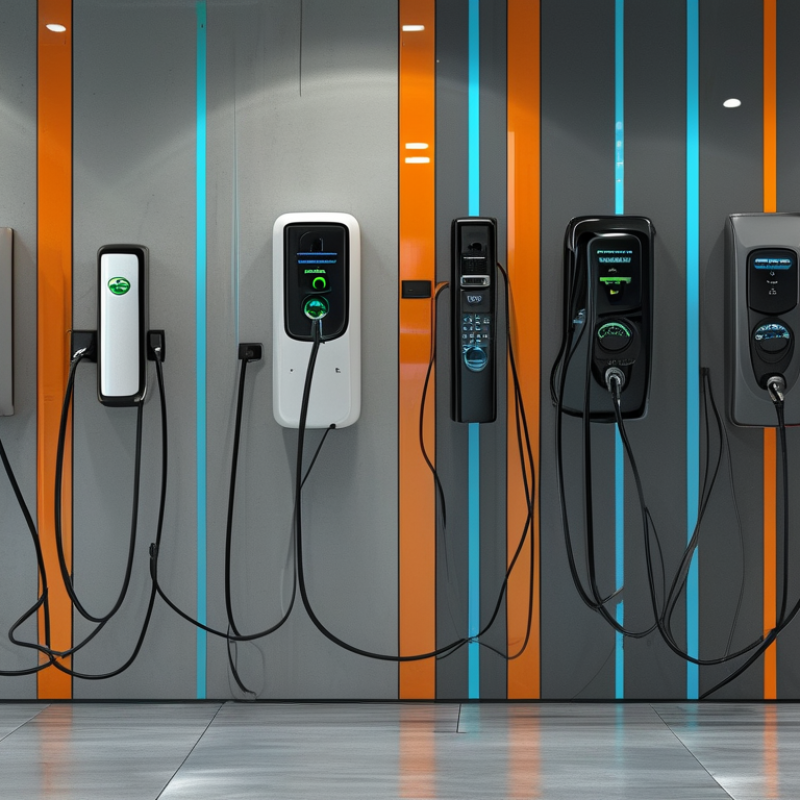
When choosing a wallbox EV charging station, multiple factors demand your attention. Charging speed is vital. Stations typically vary from Level 1 to Level 2 chargers. A Level 2 charger can significantly cut your waiting time. Consider your vehicle's compatibility and daily driving needs. A faster charger may seem appealing, yet check your local electrical capacity.
Another critical feature is connectivity. Many modern chargers come with Wi-Fi and mobile app support. This allows you to monitor charging status and energy usage. You might want to set schedules for charging during off-peak hours. However, not all home networks support these devices. It’s essential to assess your Wi-Fi coverage before deciding.
Safety features also matter. Look for stations with overcurrent protection and surge protection. These can prevent damage to both your charger and vehicle. It’s important to remember that safety standards can vary. Always verify that the product meets local regulations.
Tips: Assess your home’s electrical system. Consult with an electrician if needed. Not every home is ready for a high-powered charger. Check reviews from multiple sources. Balancing speed and safety can prevent future regrets.
When examining the landscape of wallbox EV charging stations, certain brands stand out due to their features and technology. Effective charging stations offer various power outputs, catering to different vehicle models and user needs. It's essential to evaluate the format and design, as these factors affect installation and usability. Compact designs can fit snugly in urban settings, while larger units may serve residential areas more effectively.
Comparative analysis reveals that some brands focus on smart technology integration. Features like mobile app connectivity and real-time monitoring improve user experiences. However, some users may find these advanced features overwhelming or unnecessary. Reliability remains a key concern. Charging stations should perform efficiently in various weather conditions, yet not all brands ensure optimal performance during extreme temperatures.
Pricing is another crucial aspect to consider. While some units are cost-effective upfront, long-term expenses may vary based on installation complexity and energy consumption. Customers often grapple with balancing initial costs with potential savings. Additionally, warranty and customer support can significantly influence a buyer's decision. A solid warranty indicates manufacturer confidence, yet many users report slow customer service response times. Such discrepancies highlight the need for careful research before making a purchase decision.
| Feature | Option 1 | Option 2 | Option 3 | Option 4 |
|---|---|---|---|---|
| Charging Speed (kW) | 7.2 | 11 | 22 | 7.4 |
| Connectivity | WiFi, Ethernet | WiFi, Bluetooth | 4G, WiFi | WiFi |
| Smart Features | Timer, Charging Schedule | Remote Monitoring | Energy Usage Tracking | App Control |
| Warranty Period | 2 years | 3 years | 5 years | 2 years |
| Price (USD) | 499 | 699 | 1299 | 549 |
When considering a Wallbox EV charging station, it’s important to evaluate the cost carefully. The initial price of these charging units varies significantly. Typically, you can expect to pay anywhere from $500 to over $1,500, depending on the model and features. Installation also plays a crucial role in the overall expense. Costs can range from $300 to $1,000, contingent on electrical requirements and the complexity of the installation.
Homeowners may need to update their electrical panels or wiring to accommodate the new charger. This is where the expense can rise unexpectedly. Factors like location and labor rates affect installation costs. If you live in an area with higher labor costs, your expenses might surge.
Budgeting for a Wallbox station involves more than just the unit price. Users should account for potential permits, inspections, and future maintenance. It can be easy to overlook these additional costs. After installation, the efficiency of your charger is key. If not set up correctly, you may find yourself waiting longer for your vehicle to charge. Staying informed will help in making a beneficial choice.
Choosing a wallbox EV charging station requires careful consideration of compatibility with your vehicle model. Many users overlook this crucial step. It's not just about having a charger; it's about ensuring it can effectively power your car. A charger that doesn’t match your vehicle’s specifications can lead to inefficiencies and frustration.
Compatibility varies widely among electric vehicles (EVs). Different models come with unique charging requirements. For instance, some cars may only accept specific plug types. Others may have distinct power needs. Checking your vehicle’s manual or specifications is essential. It helps avoid the common pitfalls of purchasing the wrong charger. Also, the location of your charging station plays a role in the efficiency of power delivery.
Finding the right wallbox isn't always straightforward. Buyers often rush, focusing on price or features. However, overlooking compatibility can lead to wasted time and money. When in doubt, consult with professionals or reliable sources. Their insights can guide you toward a suitable match for your EV. The right wallbox not only enhances your charging experience but also prolongs your vehicle's battery life. It's worth taking the time to ensure you're making the right choice.
User reviews of 2026 Wallbox charging stations reveal a spectrum of experiences. Many users appreciate the sleek designs and compact sizes of these devices. They fit well in both home garages and outdoor settings. However, not all feedback is positive. Some users report connectivity issues with their devices, particularly when interfacing with smart home systems. In fact, a survey indicated that nearly 15% of users experienced frequent disruptions with Wi-Fi connections.
Performance varies across different models. According to the latest industry data, a significant number of users value fast-charging capabilities. Around 70% of surveyed owners reported a charging speed that met their expectations. Yet, others express frustration over slower-than-expected charge times. It is essential to consider the installation process as well. Some users faced challenges with installation costs, which can add up significantly depending on the electrical setup at home.
Considering different experiences is crucial. While many users enjoy the convenience of home charging, they also recognize potential drawbacks. A key observation is that regular software updates can enhance functionality but may cause temporary inconveniences. Users report mixed feelings about customer service responsiveness as well. A considerable portion found it satisfactory, while others noted delays in support. Reviewing real-world experiences can guide prospective buyers in making informed decisions.
: Ensuring compatibility is crucial for effective charging. Mismatched chargers can cause inefficiencies and frustration.
Consider power output, design, smart technology, and compatibility with your vehicle. These factors significantly affect usability.
Not all chargers ensure optimal performance under extreme temperatures. Reliability can vary, so research is essential.
Check your vehicle’s specifications and manual before buying. Consulting professionals can also help ensure compatibility.
While features like app connectivity can enhance usability, some users find them overwhelming. Focus on what fits your needs.
A strong warranty suggests manufacturer confidence. However, be aware of potential slow customer service response times.
Installation complexity can lead to varying long-term expenses. Balancing initial costs with future savings is necessary.
Compact designs fit snugly in tight spaces, making them ideal for urban settings. Consider your location when selecting a unit.
Yes, the right wallbox can enhance charging efficiency, which may help prolong your vehicle's battery life in the long run.
Take the time to research and consult reliable sources for guidance. Making an informed choice is crucial for satisfaction.
When considering a Wallbox EV Charging Station, it's essential to evaluate key features such as charging speed, safety standards, and ease of installation. A comparative analysis of leading brands highlights differences in efficiency and technology, helping buyers make informed choices. Additionally, understanding the cost overview, including pricing and installation expenses, is crucial for budget planning.
Compatibility with your specific electric vehicle model is another critical factor to ensure optimal performance from your Wallbox EV Charging Station. User reviews provide valuable insights into real-world experiences, offering potential buyers an understanding of reliability and user satisfaction. By carefully assessing these aspects, consumers can confidently select the best charging solution for their electric vehicles in 2026.
