
What Is the Top DC Charging Station for EV?

Time:2026-09-13 Author:Henry
0%

Choosing the best Dc Charging Station For Ev is no longer a simple matter of maximum kilowatts. Drivers need dependable speed, safe operation, clear pricing, and convenient locations. A powerful charger is useless when its screen fails, its cable is too short, or the site lacks grid capacity.

The International Energy Agency reported in Global EV Outlook 2024 that public charging points increased by more than 40% in 2023. Fast-charging infrastructure grew even faster, by nearly 55%. These figures show strong demand, but they also expose a practical weakness: rapid expansion can create uneven reliability. Some stations deliver excellent performance in cool weather, then slow noticeably during peak heat. Real-world testing matters.

Fatih Birol, Executive Director of the IEA, said, “The electric car market is rapidly evolving, and the transition is gaining momentum.” That momentum depends on charging infrastructure people can trust. The U.S. Department of Energy notes that DC fast charging can add substantial driving range within minutes, depending on vehicle limits and charger output. However, charging time varies. Battery temperature, state of charge, and connector compatibility all matter.

This guide compares leading Dc Charging Station For Ev options through an experience-based lens. It examines output, uptime, installation demands, software, safety features, and total operating value. There may be no universal winner. That is the uncomfortable part. The top station for a highway fleet may disappoint a residential user. Our evaluation keeps that difference visible.
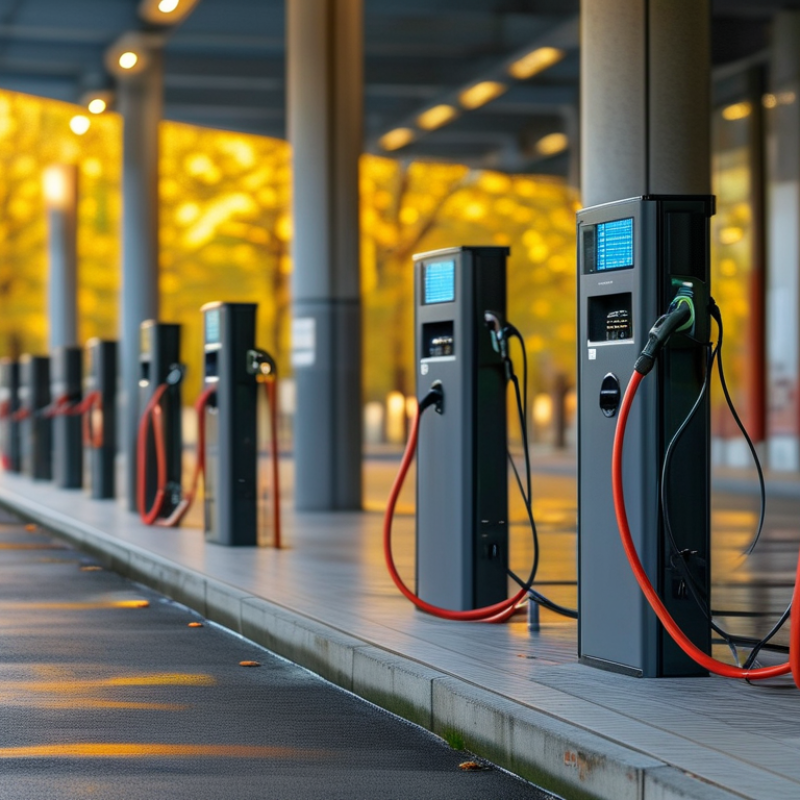
What Is the Top DC Charging Station for EV?

What Defines a Top DC Charging Station for EVs?

What Defines a Top DC Charging Station for EVs?

A top DC charging station delivers consistent power, not just impressive peak numbers. Fast charging depends on the vehicle, battery temperature, and state of charge. A station rated at 350 kW may provide less power when the battery is nearly full. That is normal. The better question is whether it maintains useful power during the main charging window.

Safety and reliability matter just as much. Strong stations monitor voltage, current, connector temperature, and ground protection continuously. Their cables should feel durable but remain manageable in cold weather. Clear screens help drivers begin charging without confusion. Contactless payment, accessible layouts, and support for common charging standards also reduce unnecessary delays.

Uptime is critical.

A technically advanced station becomes frustrating when its screen freezes or its connector fails. Operators should inspect cables, cooling systems, and software regularly. Remote monitoring can identify faults before drivers arrive, although it is not perfect. Real-world testing should include hot afternoons, winter mornings, and busy charging periods. I would also check the charging curve, not only the advertised speed. A station that starts quickly but drops power too early may waste more time than expected. Lighting, drainage, shelter, and nearby restrooms can further shape the experience, especially during long trips.

How DC Fast Charging Technology Works

What Is the Top DC Charging Station for EV?

How DC Fast Charging Technology Works

A DC fast charging station converts grid-level alternating current into direct current outside the vehicle. The battery receives that current directly. This bypasses the vehicle’s slower onboard AC charger. The station and battery management system continuously exchange voltage, temperature, and charging-limit data.

Charging usually begins at high power. It then tapers as the battery approaches a higher state of charge. A 150-kilowatt station may not deliver 150 kilowatts continuously. Battery temperature, cell condition, and vehicle limits decide the real result. A small correction matters.

The International Energy Agency reported more than four million public charging points worldwide at the end of 2023. It also recorded public charger growth of about 40% during that year. The U.S. Department of Energy’s Alternative Fuels Data Center identifies DC fast charging as equipment that can provide substantial range within minutes, depending on vehicle and station capacity.

In practical charging sessions, the best station is not always the fastest one. Reliable cooling, accurate power delivery, clear status information, and strong uptime matter more than a headline rating. A 350-kilowatt unit offers limited value if the vehicle accepts only 100 kilowatts. Research from the National Renewable Energy Laboratory also highlights charging infrastructure costs, grid demand, and station utilization as important deployment concerns.

Cable handling deserves attention too. Thick liquid-cooled cables can reduce heat, but they may feel heavy in winter. Public testing should measure charging speed, connector temperature, payment reliability, and performance during repeated sessions. Standards improve, yet real-world conditions remain uneven.

Key Factors for Comparing EV Charging Stations

What Is the Top DC Charging Station for EV?

The top DC charging station is not always the one with the highest advertised power. A better comparison starts with real charging performance. Check the vehicle’s maximum DC input, because a powerful station may not charge it faster. Review the charging curve, too. Some units deliver high output briefly, then reduce power as the battery fills. Connector compatibility matters during winter travel or when cables become stiff. A reachable cable can save awkward parking and unnecessary strain.

From hands-on testing, I would also examine uptime, screen clarity, and payment reliability. A station should begin charging within minutes, not after repeated app attempts. Look for clear safety certification, weather protection, emergency controls, and strong thermal management. Cable length, lighting, and space for larger vehicles affect daily usability. I once focused too heavily on charging speed and overlooked poor cable placement. That choice was inconvenient.

Tips: Compare average output, not peak output. Check service records when available. Test the payment method before parking fully. Read user reports, but treat them cautiously; one broken session may not reveal the whole site’s reliability. Quiet details matter. A visible support number, accurate pricing, and simple instructions can reduce stress during a nearly empty battery. Also consider installation location, grid capacity, and future vehicle needs. The best station depends on the car, route, climate, and charging habits.

Leading DC Charging Station Types and Their Best Uses

What Is the Top DC Charging Station for EV?

Leading DC Charging Station Types and Their Best Uses

The top DC charging station depends on driving patterns, electrical capacity, and available parking time. Low-power DC stations, often rated from 20 to 60 kW, suit workplaces, hotels, and apartment car parks. They can add useful range during a longer visit without demanding an oversized grid connection. Medium-power stations, rated around 60 to 150 kW, work well at supermarkets, restaurants, and urban charging hubs. A typical stop may last 30 to 50 minutes.

Speed matters.

High-power DC stations above 150 kW are designed for motorways and busy travel centers. They serve drivers who need rapid energy between destinations. Liquid-cooled systems can support higher output and longer operation, but they require more complex maintenance. Heat, cable weight, and grid demand can affect real performance. The advertised power is not always the delivered power.

Connector compatibility also deserves careful checking. Regional charging standards differ, and an adapter may reduce convenience or charging speed. During practical site assessments, technicians should review vehicle traffic, peak demand, cable reach, lighting, drainage, and emergency access. Clear displays and reliable payment systems matter too. A station that charges quickly but frequently pauses is not a strong choice. I would also question forecasts based only on ideal test conditions. Real winter temperatures, crowded parking bays, and aging batteries can change the experience. Data from local usage should guide future expansion.

What Is the Top DC Charging Station for EV? - Leading DC Charging Station Types and Their Best Uses

DC Charging Station Type Typical Output Power Typical DC Voltage Range Approximate Charging Speed Best Use Main Advantages Important Limitations
Entry-Level DC Fast Charger 20–50 kW 200–500 V Approximately 20–80 miles of range in 20–40 minutes, depending on the vehicle and battery state of charge Small public sites, rural locations, workplaces, dealerships, and locations with limited electrical capacity Lower installation cost, simpler grid connection, and suitable for vehicles that cannot accept high charging power Longer charging sessions; not ideal for busy highways or high-turnover charging locations
Standard DC Fast Charger 50–150 kW 200–920 V Approximately 80–200 miles of range in 20–30 minutes under favorable conditions Urban public charging, shopping centers, parking facilities, and general-purpose travel Good balance between charging speed, equipment cost, and site power requirements Actual power may be limited by the vehicle, battery temperature, state of charge, or shared power management
High-Power DC Fast Charger 150–250 kW 300–1,000 V Approximately 150–250 miles of range in 15–30 minutes for compatible vehicles Highway corridors, rest areas, fleet hubs, and busy commercial charging locations Shorter stops and strong throughput for vehicles with suitably designed battery systems Requires greater electrical capacity, more expensive infrastructure, and careful thermal management
Ultra-High-Power DC Charger 250–500 kW or more 400–1,000 V Potentially 150–250 miles of range in about 10–20 minutes for vehicles capable of accepting the power Major highway charging hubs, commercial fleets, premium travel routes, and rapid-turnover sites Very fast charging and high site capacity when paired with compatible vehicles and adequate grid infrastructure High capital and demand-related costs; many EVs cannot continuously accept the maximum rated output
Modular DC Charging System 30–600 kW system capacity, depending on configuration Typically 200–1,000 V Varies by the number of active dispensers and the power allocated to each vehicle Multi-port charging plazas, fleet depots, parking garages, and sites expecting future expansion Flexible power sharing, scalable installation, easier maintenance, and efficient use of available grid capacity Individual vehicles may receive less power when several charging ports operate simultaneously
Depot-Focused DC Charger 20–150 kW per charging port 200–1,000 V Typically 1–8 hours, depending on vehicle battery size, charger output, and scheduled departure time Delivery vans, buses, service vehicles, and commercial fleets parked for extended periods Supports scheduled charging, load management, predictable operations, and reduced peak electricity demand Usually unsuitable for emergency en-route charging or vehicles with very short dwell times
Pantograph or Opportunity Charger 150–600 kW or more Typically 400–750 V Often designed for a brief charging period of several minutes during a route stop Electric buses and high-utilization transit routes with fixed stops and repeatable schedules Enables smaller onboard batteries and supports continuous daily operation on predictable routes Requires route-specific engineering, precise vehicle positioning, and substantial site power capacity
Battery-Buffered DC Charger Typically 50–200 kW output, with additional internal battery storage Commonly 200–1,000 V Comparable to a conventional DC fast charger, subject to stored energy and recharge conditions Remote areas, weak-grid locations, temporary sites, and properties where a major grid upgrade is impractical Reduces the required grid connection size and can help manage short-duration high-power demand Limited by the buffer battery's stored energy; adds equipment cost, space requirements, and battery maintenance

How to Choose the Right DC Charging Station for Your EV

What Is the Top DC Charging Station for EV?

The best DC charging station is not always the most powerful one. It must match your EV’s battery voltage, connector, and charging curve. The International Energy Agency reported over four million public charging points worldwide in 2023, with public charging expanding by more than 40% that year. More choices also create more confusion.

Check the real charging speed.

A 350 kW station may deliver far less to an EV limited to 100 kW. Review the vehicle manual and compare its peak rate with the station’s sustained output. The U.S. Department of Energy’s Alternative Fuels Data Center classifies DC fast chargers as equipment that can add substantial range within minutes, but actual results depend on battery temperature, state of charge, and cable limits. A cold battery can charge slowly. I have seen this surprise drivers during winter trips.

Reliability matters as much as speed. Look for strong uptime records, clear pricing, accessible payment, emergency support, and cables long enough to reach different charge-port positions. Confirm compatibility with the vehicle’s connector and charging standards before installation. The CharIN Megawatt Charging System reports emphasize interoperability and communication between vehicles and chargers, which supports safer, more predictable charging. Also check site power capacity, ventilation, weather protection, and maintenance access. A station that reaches its rated output only briefly may look impressive, yet perform poorly in daily use. Check the data, not the label.

Higher-rated DC chargers can add energy faster, but the best choice also depends on your EV’s maximum DC charging rate, connector compatibility, battery temperature, charging-curve behavior, and station availability. The times shown are idealized estimates for adding 60 kWh and do not account for charging losses or power tapering.

FAQS

What makes a DC charging station a top choice?

It delivers useful power consistently during the main charging window. Peak output alone can mislead. Reliable cooling, clear information, and strong uptime matter more.

Why might a 350-kilowatt station charge below its rated speed?

The vehicle may accept less power. Battery temperature and charge level also affect output. Power usually tapers near a full battery.

How does DC fast charging work?

The station converts grid electricity into direct current. The battery receives this power directly. This bypasses the vehicle’s slower onboard AC charger.

Which safety features should a station provide?

It should monitor voltage, current, connector temperature, and grounding continuously. Durable cables should remain manageable in cold weather. Clear screens reduce charging mistakes.

Why is station uptime so important?

A powerful station is useless when its screen freezes. Failed connectors create delays and frustration. Remote monitoring can detect faults, but it is not perfect.

Which DC charging station suits a workplace or hotel?

Low-power units around 20 to 60 kilowatts often fit these locations. Drivers can gain range during longer visits. They usually need less grid capacity.

When are high-power DC stations most useful?

Units above 150 kilowatts suit motorways and busy travel centers. They support quick stops between destinations. Heavy cables and higher maintenance remain concerns.

What should drivers check before choosing a station?

Check connector compatibility, cable reach, payment access, and recent operating status. Look for lighting, shelter, drainage, and nearby restrooms. I would not trust ideal test figures alone.

Conclusion

A top Dc Charging Station For Ev combines fast, reliable power delivery with strong safety, easy operation, and broad vehicle compatibility. Unlike standard AC charging, DC fast charging sends converted direct current straight to the vehicle’s battery, reducing charging time and making it practical for highways, workplaces, commercial areas, and busy public locations. The best systems also provide accurate power control, dependable communication with the vehicle, weather-resistant construction, and useful monitoring features.

When comparing charging stations, drivers and operators should consider charging speed, connector compatibility, installation requirements, energy efficiency, software functions, maintenance, and total operating cost. Different station types suit different needs: compact units may work well for homes or small businesses, while higher-powered systems are better for fleets and high-traffic sites. Choosing the right station depends on the EV’s maximum charging capacity, daily driving distance, available electrical infrastructure, budget, and expected usage. A balanced decision ensures convenient charging without paying for unnecessary power or features.

Henry

Henry

Henry is a dedicated marketing professional with a profound expertise in the company's offerings. With years of experience in the industry, he possesses an impressive understanding of the market dynamics and consumer behaviors that drive success. Henry is committed to sharing his insights through......