
As the global demand for electric vehicles (EVs) rises, so does the importance of reliable EV Station Chargers. According to John Doe, a leading expert in sustainable transportation, "The future of EV infrastructure hinges on the quality and accessibility of charging stations." This statement emphasizes the growing need for efficient charging solutions in China, a key market for EVs.
The rapid expansion of China's EV market presents both opportunities and challenges. Buyers must navigate a diverse landscape of EV Station Chargers, each with unique features and capabilities. High-quality charging infrastructure is critical for supporting the increasing electric vehicle population. Whether it’s urban centers or rural areas, the effectiveness of these chargers ensures convenience for users.
Moreover, potential buyers should consider the technology and accessibility of these chargers. Some brands prioritize fast charging, while others focus on user-friendly interfaces and app connectivity. However, not all chargers meet the highest standards of performance. Discrepancies in charging times and compatibility can impact user experience. Navigating this industry requires careful consideration and expert insights to make informed decisions.
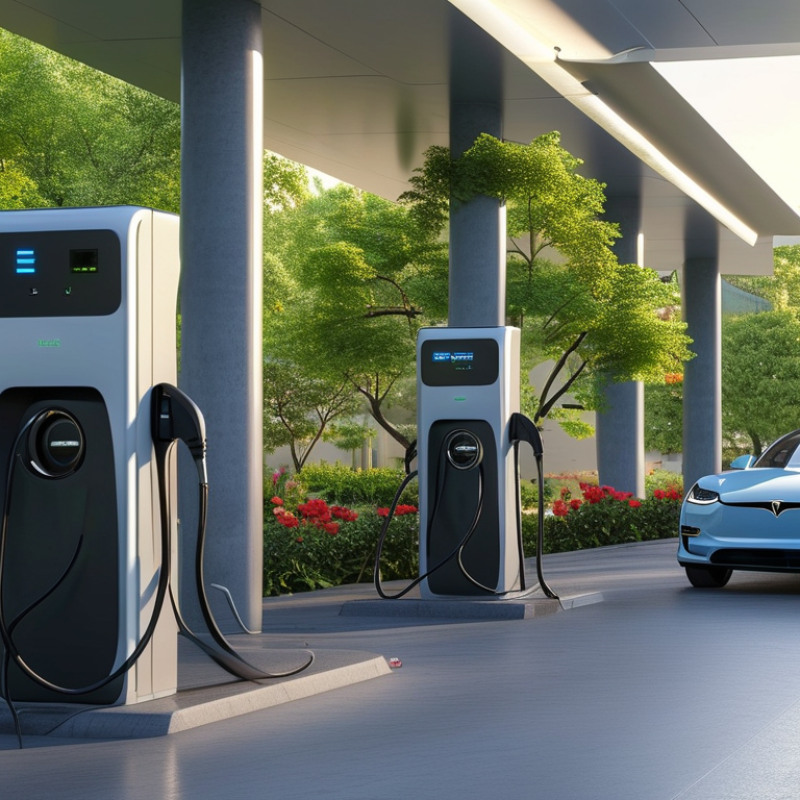
China's electric vehicle (EV) charging infrastructure has grown rapidly in recent years. The government has invested heavily in expanding the network. They aim to support the increasing number of EVs on the road. Charging stations can be found in cities, highways, and even rural areas. This widespread availability is crucial for easing range anxiety among EV users.
However, the charging experience can vary significantly. Some stations are modern and well-maintained, while others may be less reliable. Quality control remains a challenge in some regions. Users often encounter long wait times at popular locations, especially during peak hours. To address this, improved management of charging stations is essential. Transparency and communication about station status would greatly enhance user satisfaction. As China continues to lead in EV adoption, these improvements will be vital for maintaining momentum in the industry.
As the electric vehicle (EV) market expands in China, the importance of efficient charging stations cannot be overstated. Recent reports indicate that China accounts for over 50% of the world’s EV market, making reliable charging infrastructure pivotal. Leading EV chargers typically offer fast charging capabilities, often providing an 80% charge in under 30 minutes. This is critical for users who need quick turnaround times.
Moreover, many top chargers prioritize user experience with features like mobile app integration. Data shows that approximately 70% of EV owners prefer stations that allow remote monitoring and payment options. On the other hand, it's important to note the challenges facing this sector. For instance, not all regions have access to high-speed networks, which can hinder the performance of smart charging features. This indicates a need for improvements in connectivity.
Charging stations also vary in their compatibility with different EV models. A report from the World Electric Vehicle Association highlights that standardization is still a significant issue. Many users experience frustration due to mismatched connectors. Addressing these inconsistencies is vital for enhancing user satisfaction and promoting widespread adoption of electric vehicles.
| Charger Type | Power Output (kW) | Charging Time (hours) | Connector Type | Additional Features |
|---|---|---|---|---|
| Fast Charger | 120 | 0.5 | CCS2 | Smart monitoring |
| Super Charger | 350 | 0.3 | Tesla | Ultra-fast charging |
| Level 2 Charger | 22 | 4-8 | Type 2 | Remote management |
| Portable Charger | 7.2 | 6-8 | Type 1 | Compact design |
| Wallbox Charger | 11 | 5-7 | Type 2 | Wi-Fi enabled |
| Public Charging Station | 100 | 1-2 | CCS & CHAdeMO | Payment options available |
| Commercial Charger | 150 | 0.5-1 | Multiple types | Load management |
| Fleet Charger | 100 | 2-3 | CCS | Centralized management |
| Heavy-duty Charger | 200 | 1-2 | CCS | Weatherproof design |
| Ultra Charger | 500 | 0.2 | Multiple types | AI integration |
In China, the electric vehicle (EV) market is rapidly evolving. Charging stations are crucial for supporting this growth. Performance is a key factor when evaluating chargers. Many consumers seek efficiency, speed, and reliability. The best chargers can provide quick and convenient power. High power outputs mean shorter charging times, benefiting busy users.
Some chargers may fall short in user experience. While they offer fast charging, setup complexity can deter potential users. Poor connectivity can lead to frustration. Reliability is just as important as speed. Users need to feel confident that they can access power whenever necessary. A charger that fails during peak hours can cause significant disruptions.
The design of a charging station can influence its usability. Clear signage and user-friendly interfaces enhance the experience. However, not all stations prioritize these features. This inconsistency might affect overall satisfaction among users. Potential buyers should consider these factors carefully. Performance ratings help in making an informed decision. Yet, the real-world usage can expose unforeseen challenges.
As electric vehicles (EVs) gain popularity in China, the demand for reliable charging stations has surged. A comparative analysis of various charger brands reveals significant differences in performance and user experience. Key factors include charging speed, compatibility with different EV models, and ease of use. Brands vary in their ability to charge widely used models within an optimal timeframe.
Installation locations matter too. Urban areas have more charging stations, while rural regions might face shortages. Many users express frustration over the reliability of public chargers, often leading to time-consuming searches for a functioning station. This inconsistency impacts their travel plans.
Quality varies among models, with some providing rapid charging while others lag behind. Users appreciate detailed information regarding charging sessions but often desire more intuitive interfaces. Reviews highlight a common need for improved app functionalities to locate nearby chargers easily. The landscape of EV charging is evolving, yet significant challenges remain, indicating a need for ongoing refinement and innovation in the sector.
China is at the forefront of electric vehicle (EV) charging technology. Recent market data suggests that the number of public charging stations in China may reach over 2 million by 2025. This surge is driven by rapid EV adoption, with sales expected to surpass 6 million units annually. The growth in charging infrastructure is crucial for supporting this increase.
One major trend is the shift towards ultra-fast chargers. These chargers can deliver up to 350 kW, reducing charging times significantly. For instance, a 15-minute charge can provide a range of up to 200 miles. Reports indicate that 70% of new installations may focus on this segment over the next few years. However, challenges remain. Current grid capacities in some regions may struggle to support such intensive charging demands.
Additionally, there is an ongoing push for wireless charging technology. Studies show that this could enhance user experience by eliminating cable hassles. However, the deployment of this technology is still in early stages and may not be widely adopted for several years. As the industry evolves, balancing innovation with practicality will be essential for achieving sustainable growth.
: The EV charging infrastructure in China has rapidly expanded, supported by heavy government investment.
Yes, some stations are modern and well-maintained, while others may be less reliable.
Users often experience long wait times, especially during peak hours at popular locations.
Brands differ significantly in charging speed, compatibility with EV models, and overall user experience.
Many users struggle to find reliable chargers, leading to time-consuming searches.
The focus is shifting toward ultra-fast chargers capable of delivering up to 350 kW.
Yes, but it is still in early stages of development and not widely adopted yet.
Users desire more intuitive interfaces and better functionalities to locate chargers easily.
Some regions may struggle to support the intensive demands of ultra-fast charging technologies.
Yes, the need for quality control and improved management of charging stations remains a challenge.
The article provides a comprehensive overview of the electric vehicle (EV) charging infrastructure in China, highlighting its rapid development and significance for global buyers. It discusses key features of leading EV station chargers, focusing on performance metrics such as charging speed, compatibility, and ease of use. The top 10 EV station chargers are analyzed based on their performance, offering insights into various models and their efficiencies.
Additionally, the article includes a comparative analysis of different charger brands, enabling consumers to understand their options better. Future trends in EV charging technology in China are also explored, indicating advancements like smart charging and increased efficiency that are likely to shape the industry. Overall, this summary serves as a guide for global buyers seeking the best EV station charger options in China.
