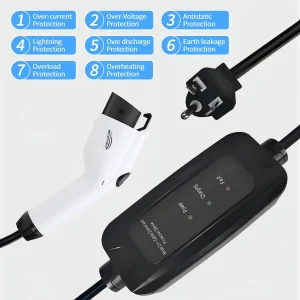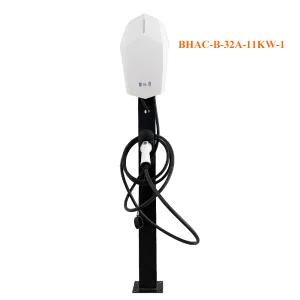
Strategic Insights into Home EVSE Markets and Industrial Growth
As the global automotive landscape pivots toward electrification, the "Charging Station In Home" market has transitioned from a luxury addition to a critical infrastructure requirement. While public DC fast-charging networks capture headlines, statistics show that over 80% of EV charging occurs at home. This fundamental shift in consumer behavior is driving a massive industrial demand for reliable, intelligent, and cost-effective residential charging solutions.
In Europe and North America, regulatory mandates and green building codes are increasingly requiring "EV-ready" residential developments. Simultaneously, in emerging markets across Southeast Asia and the Middle East, the rapid adoption of EVs is outpacing public infrastructure, making home-based chargers the primary gateway for vehicle refueling. As a leading China Charging Station In Home Supplier, we are at the epicenter of this supply chain revolution, delivering hardware that balances high-tech integration with accessible pricing.
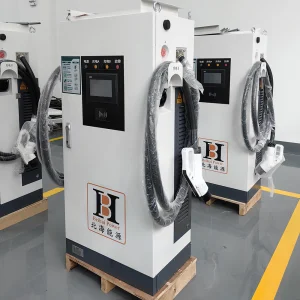
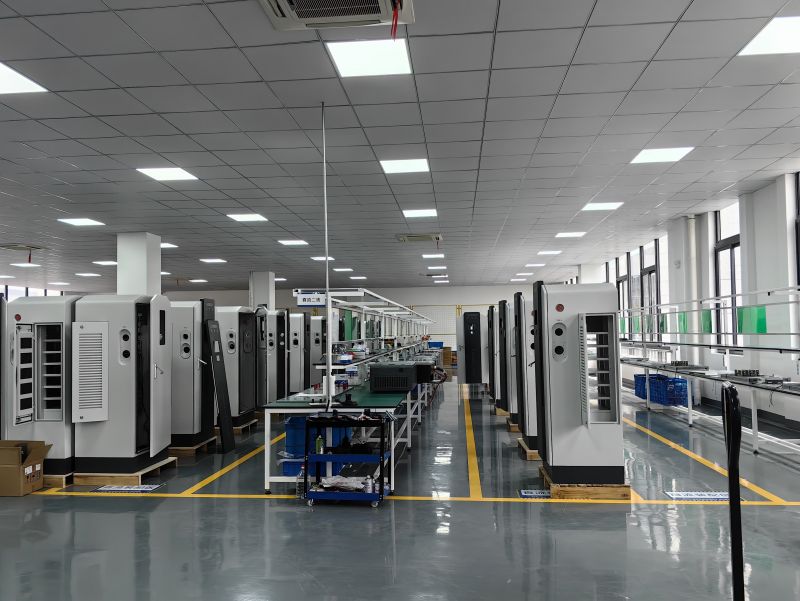
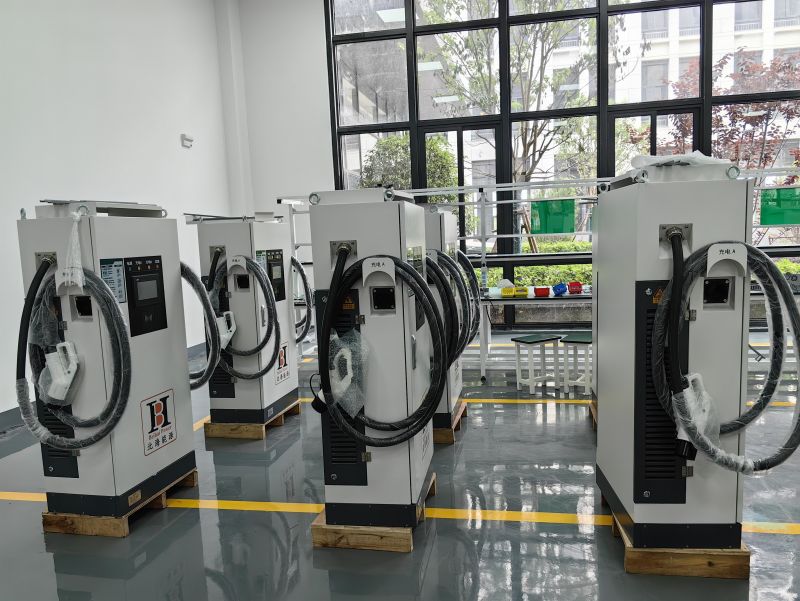
Beihai Power (China Beihai Power Co., Ltd.) is a specialized manufacturer dedicated to the innovation of DC fast-charging technology and smart AC charging technology. We bridge the gap between complex energy requirements and reliable infrastructure delivery for governments and commercial clients across Central Asia, Southeast Asia, the Middle East, Europe, Africa, South America, and North America.
Our core mission is to solve the critical challenges of charging speed, system reliability, and grid integration. By focusing on the performance of our integrated charging modules, we provide high-efficiency power solutions that ensure faster, safer, and more stable energy transfer for large-scale vehicle infrastructure projects.

The Efficiency and Supply Chain Advantage
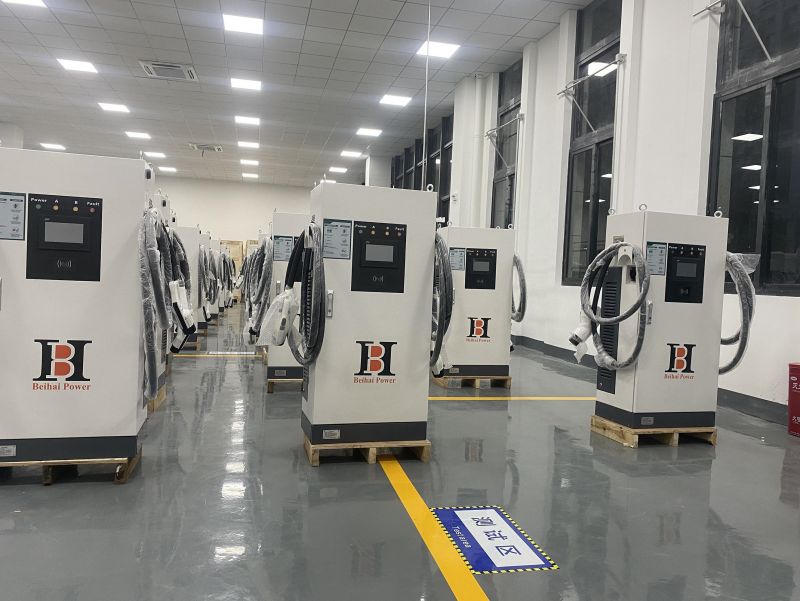
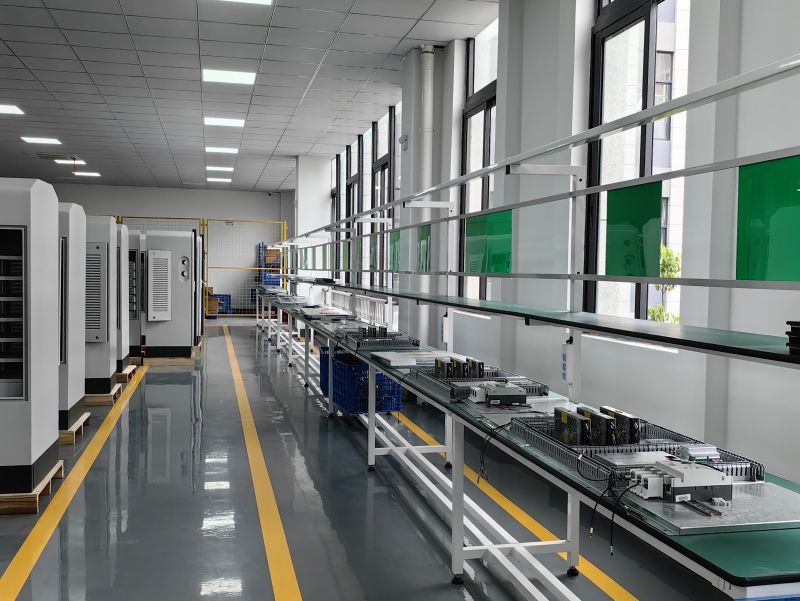
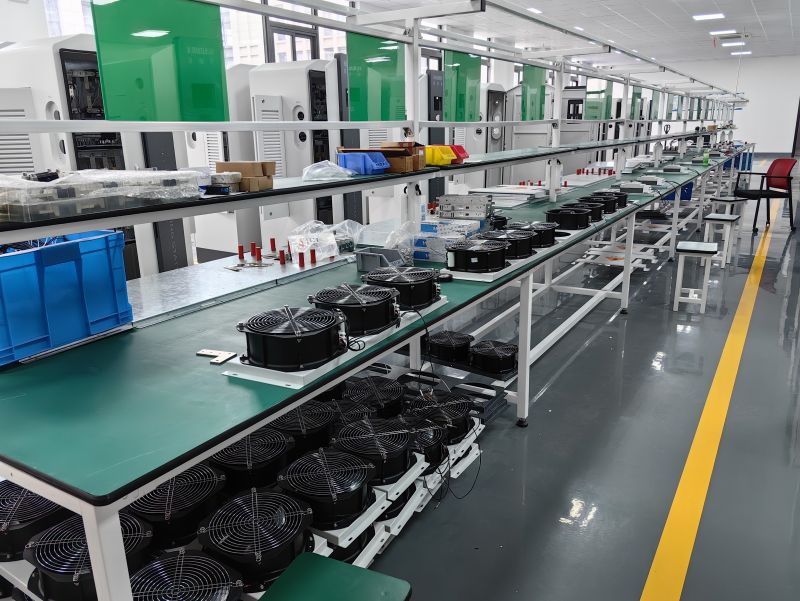
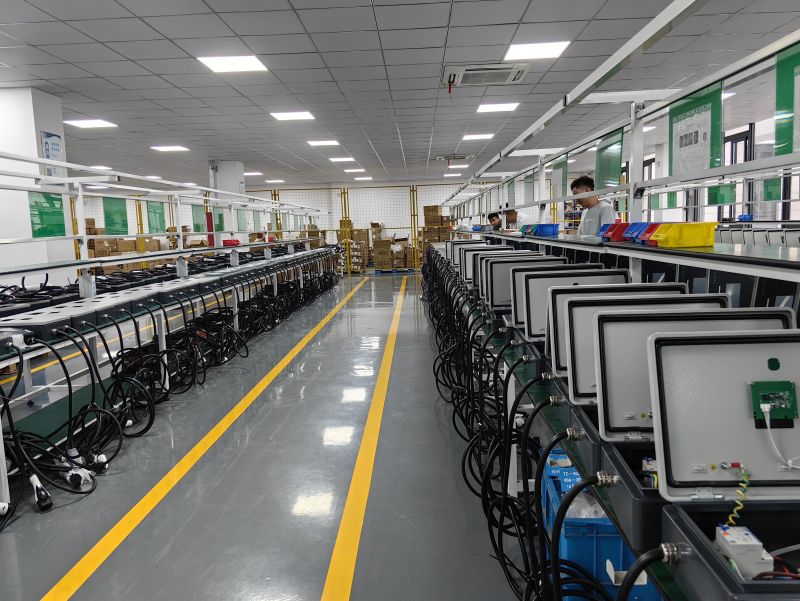
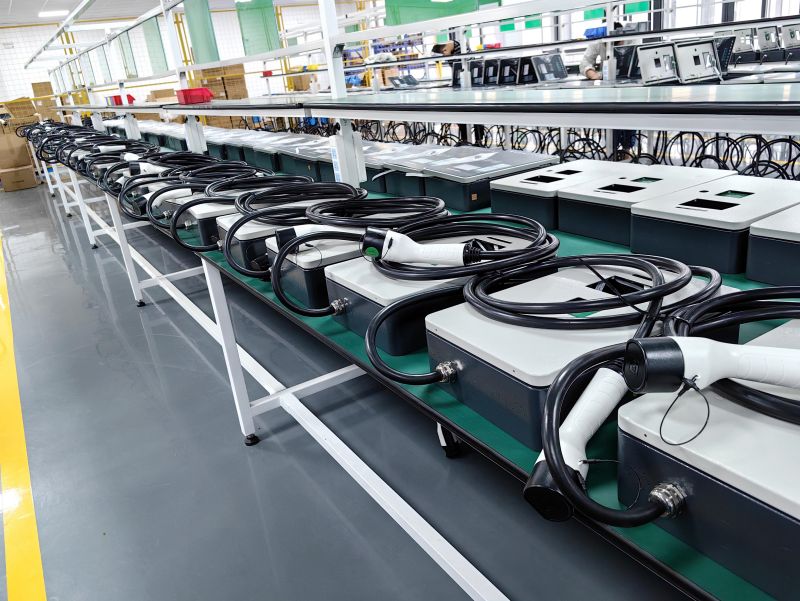
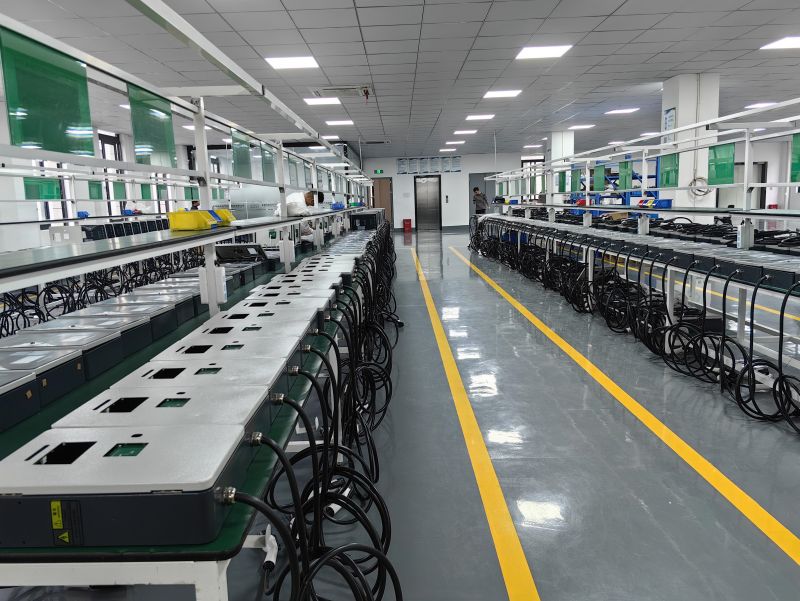
The China-based manufacturing ecosystem allows us to source every component—from semiconductors and contactors to charging cables and casings—within a 50-mile radius. This reduces lead times and costs significantly compared to Western counterparts.
As the EV market evolves, standards change. Our engineers can iterate hardware designs (like transitioning from CCS2 to NACS) in weeks, ensuring our clients always have the most relevant technology for their specific localized market.
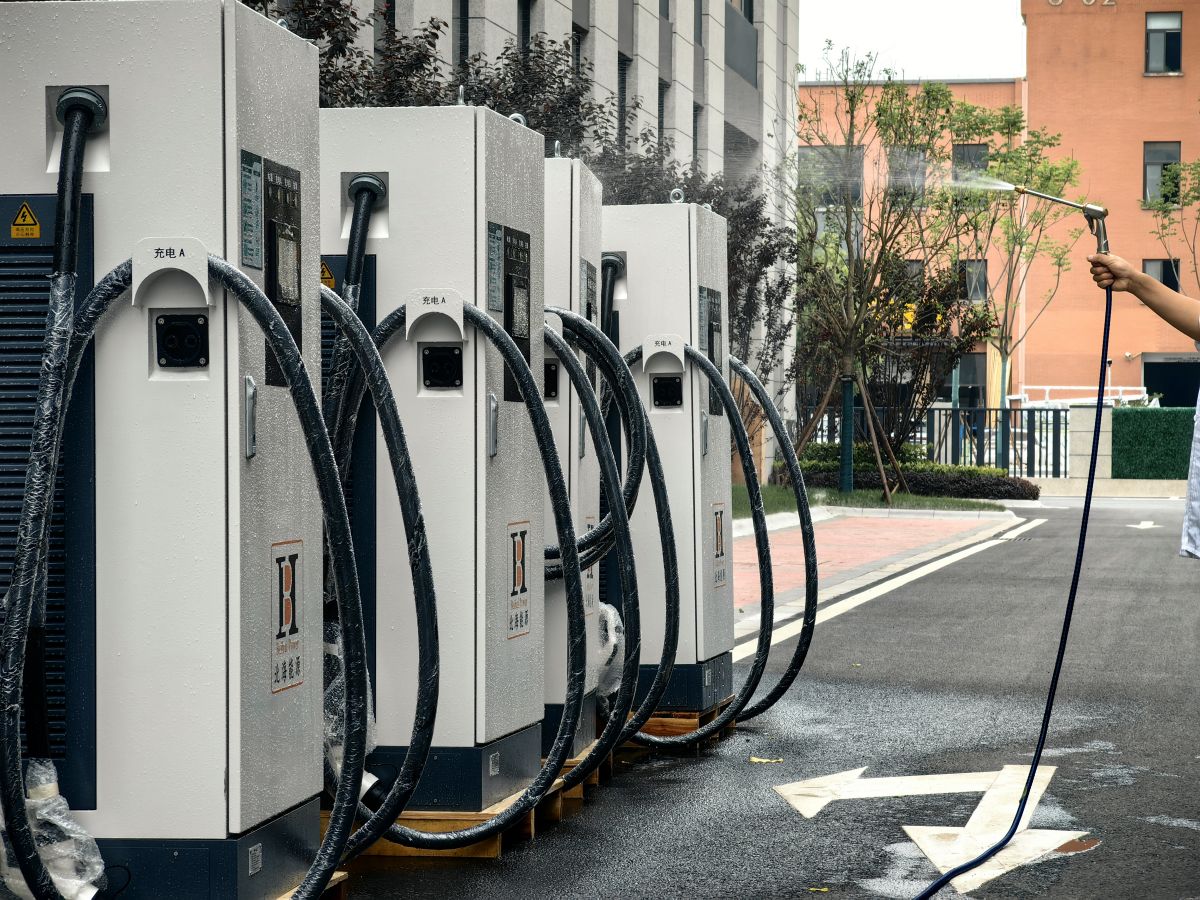
Whether it’s a 7kW AC wallbox for a boutique apartment or a 150kW Mobile DC charger integrated into commercial vans (as we developed for clients in the USA and Colombia), Chinese factories excel at bespoke engineering at scale.
Tailored Solutions for Every Residential Environment
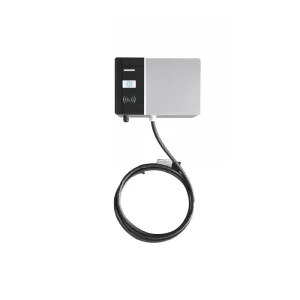
Focus on Plug-and-Play simplicity and aesthetic design. Integration with solar PV systems via RS485 or WiFi allows homeowners to charge using 100% green energy.
Utilizing OCPP 1.6J or 2.0.1 for load balancing. This ensures that 50 cars charging simultaneously won't blow the building's main fuse, while providing individual billing via RFID or Mobile App.
For logistics companies where drivers take vehicles home. Our chargers provide centralized data monitoring to reimburse drivers for electricity used while on duty.
Anticipating the Next Decade of Energy Engineering
The charger is no longer just a conduit; it’s a bi-directional inverter. Your EV becomes a giant home battery, powering your house during peak times or power outages.
AI algorithms will predict your driving patterns and electricity price fluctuations, automatically charging your car when the grid is cleanest and cheapest.
The "Plug & Charge" future. No apps, no cards. The car identifies itself to the charger securely, handles payment, and starts charging immediately upon connection.
For B2B buyers and government contractors, selecting a China Home Charging Station Factory requires a focus on four pillars of E-E-A-T: