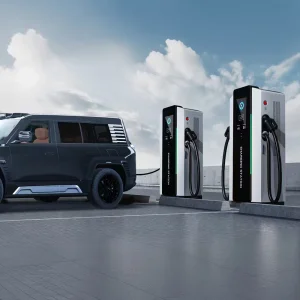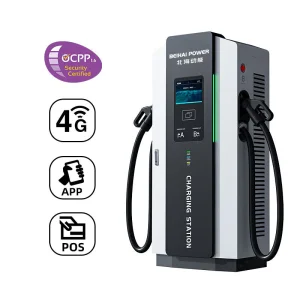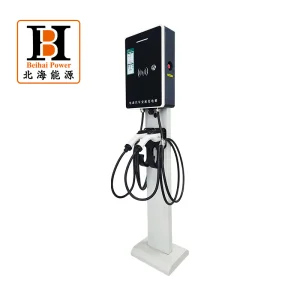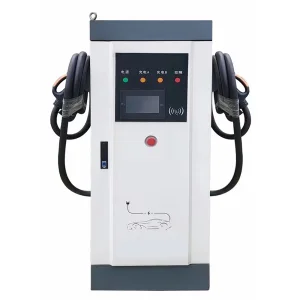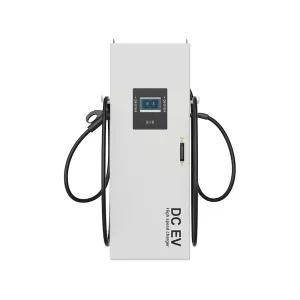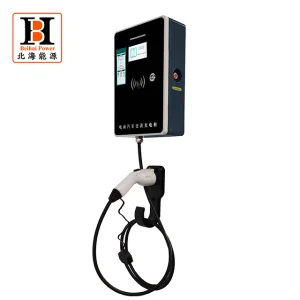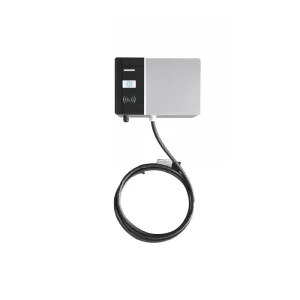
Explore our industrial-grade high-power stations optimized for 3-phase grid compatibility and modern compliance standards.
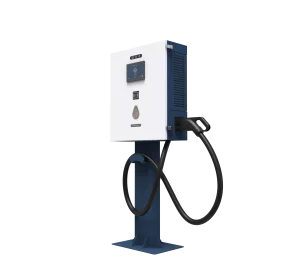
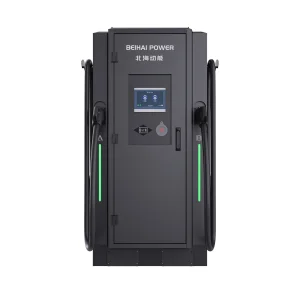
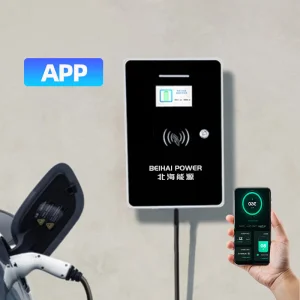
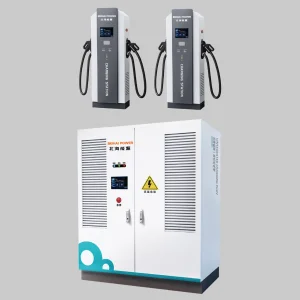
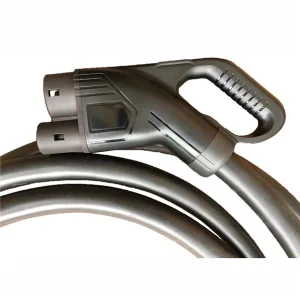
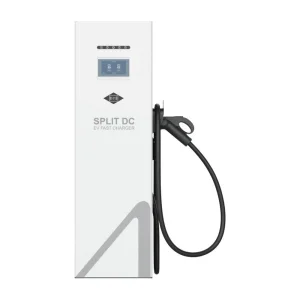
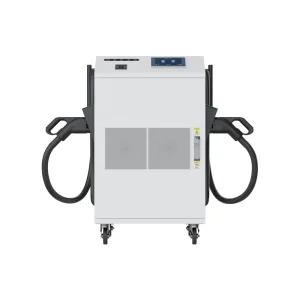
Beihai Power (China Beihai Power Co., Ltd.) is a specialized manufacturer dedicated to the innovation of DC fast-charging technology and smart AC charging technology. We bridge the gap between complex energy requirements and reliable infrastructure delivery for governments, utility operators, and commercial clients across Central Asia, Southeast Asia, the Middle East, Europe, Africa, South America, and North America.
Our core engineering mission is to solve the critical challenges of thermal management, operational longevity, dynamic grid integration, and deployment efficiency. By focusing on the performance of our integrated charging modules and cabinet systems, we provide high-efficiency power solutions that ensure faster, safer, and more stable energy transfer for large-scale municipal networks and private vehicle fleets alike.

Our production operations maintain rigorous standards at each critical stage, ensuring high mechanical durability, reliable electrical contact, and superior thermal performance under harsh environments. Below are the sequential processes governing our factory production lines:
Heavy-duty structural steel plates are precision laser-cut to exact CAD specs to form the external chassis shell, ensuring sub-millimeter tolerances.
Automated press brakes and bending machines form the enclosure, creating an IP54-rated protective barrier against water and particulate ingress.
Integrating mechanical frames, structural mounts, hinge mechanisms, and anti-corrosive powder coatings for external environments.
Strict quality inspection checking dimensions, weld integrity, and paint finish adhesion prior to internal component installation.
SMT placement and testing of internal PCBs, charging controllers, leakage protection relays, and dynamic power distribution modules.
Wiring harnesses are systematically routed, terminal blocks crimped, and main contactors integrated with dual liquid/air-cooled cables.
Every single unit undergoes simulated high-load stress testing, dielectric withstand tests, grounding continuity checks, and software OCPP integration verifications prior to final packaging and delivery.
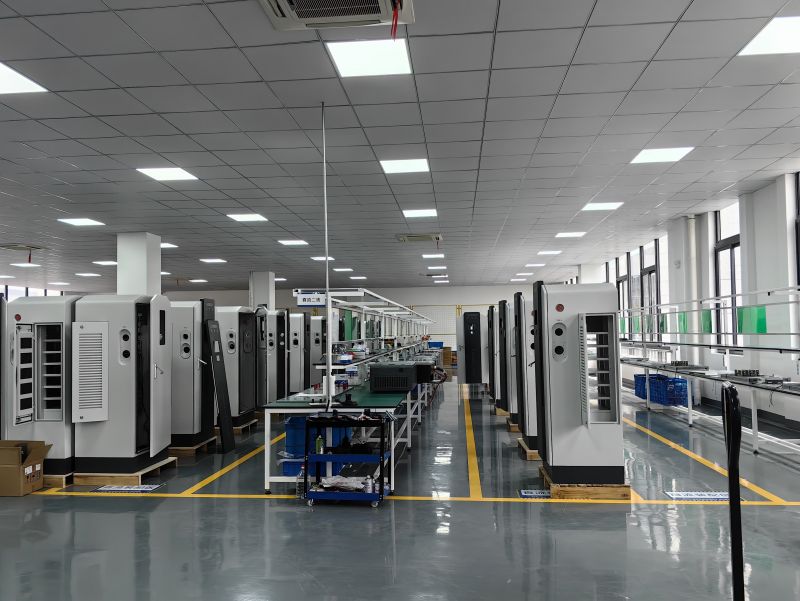
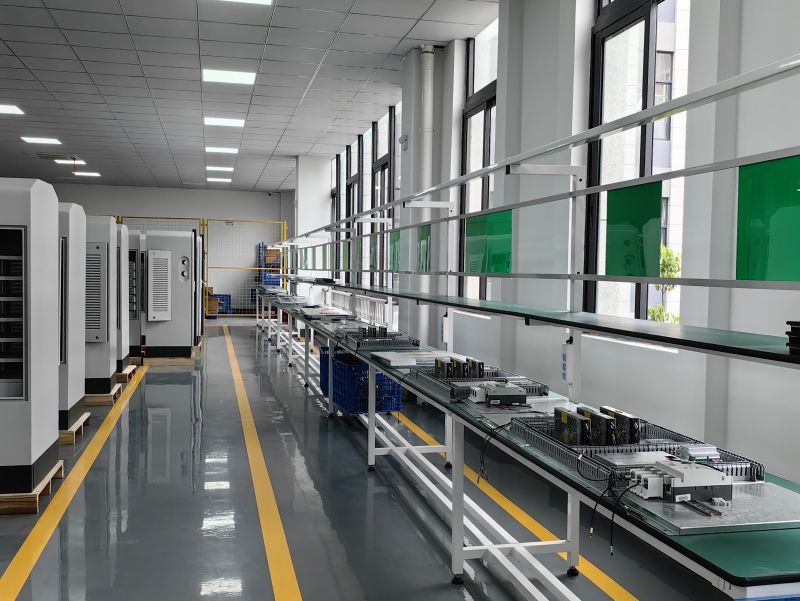
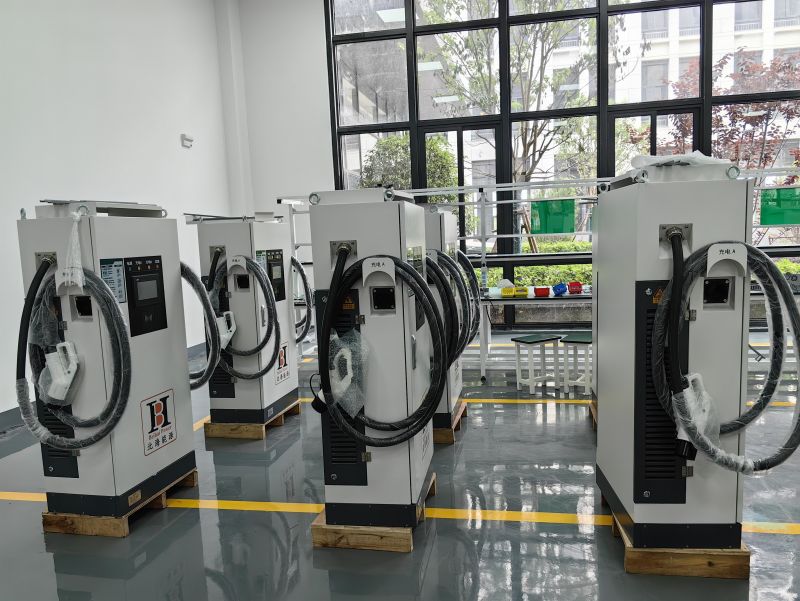
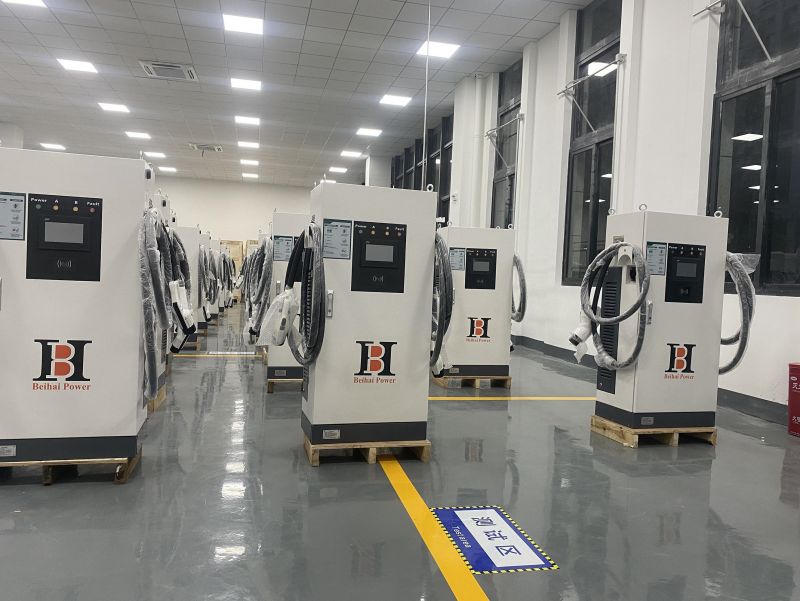
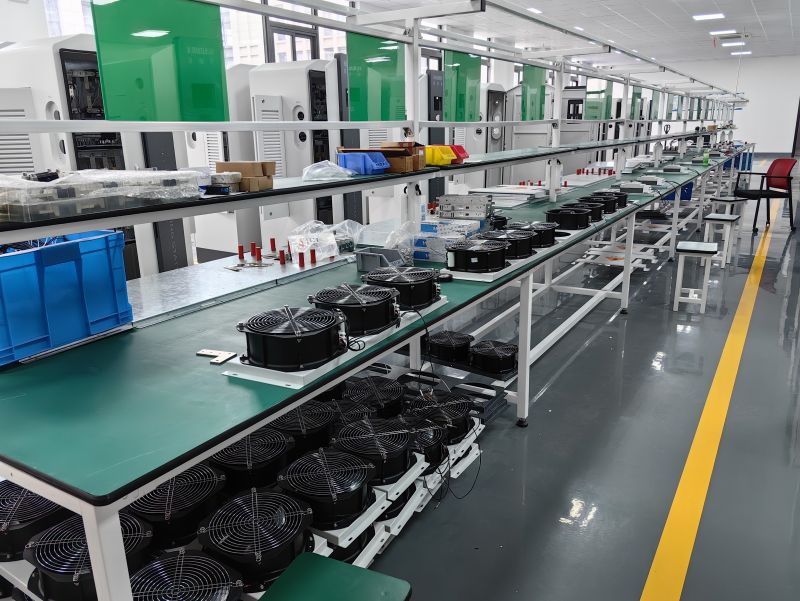
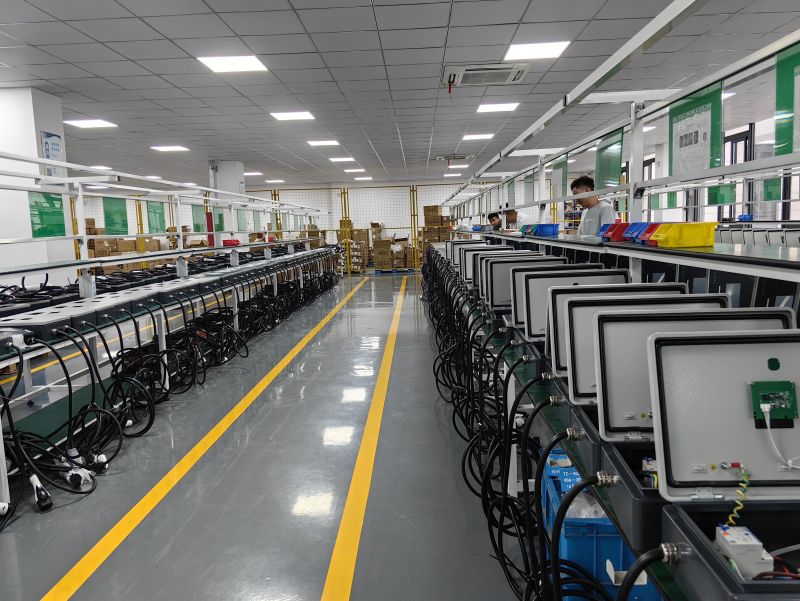
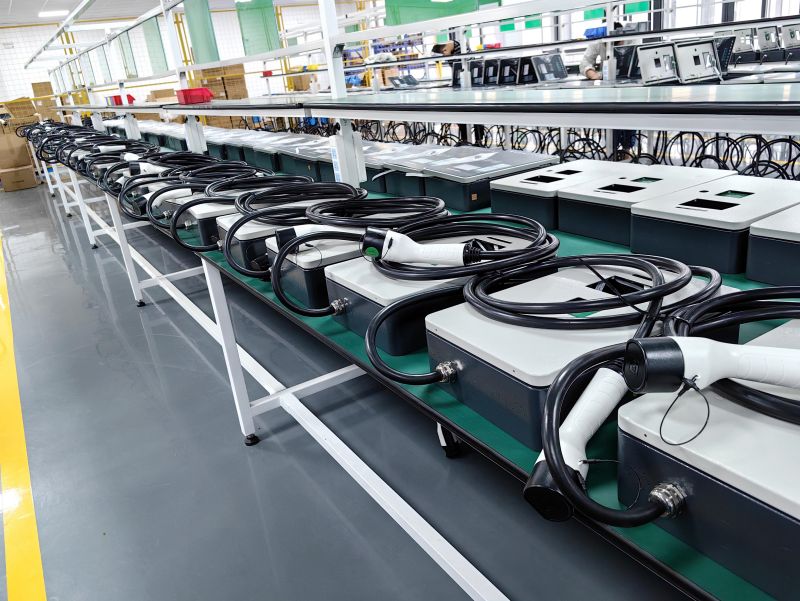
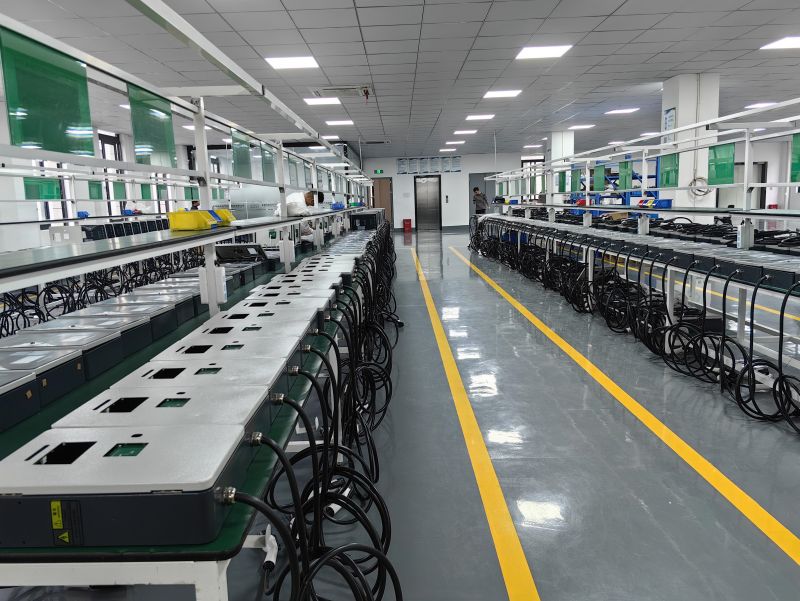
We deliver comprehensive hardware adaptations tailored to diverse environments. From heavy-duty highway DC fast-charging networks to smart municipal grids, our design philosophy maximizes energy efficiency and deployment reliability.
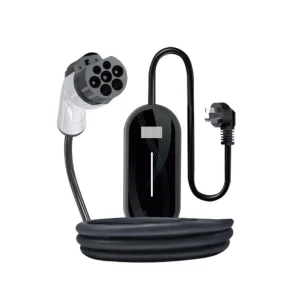
We deliver an extensive selection of charging piles ranging from 22kW/44KW AC systems to ultra-fast 360KW/480KW modular DC charging systems. Engineered to operate continuously under heavy duty cycles, our units are ideal for fleet logistics, transit centers, and highly-frequented public parking hubs.
Our optimized supply chains and state-of-the-art facilities guarantee swift turnaround times on high-volume municipal or private orders. A prime example is our recent deployment of 24 custom-configured dual-gun DC fast charging stations to Uzbekistan, fully tailored to local grid and compliance standards.
Every commercial project presents unique environmental and grid constraints. We customize technical elements such as cabinet size, input voltage range, display branding, cable management systems, and specialized transport setups. Examples include our custom 150kW vehicle-mounted mobile DC chargers developed for remote rescue operations in Colombia and the USA.
As commercial electric vehicle adoption accelerates from lightweight delivery vans to heavy-duty logistics transport, charging grid architecture is shifting. Standard single-phase supplies are insufficient for scaling commercial operators. Modern installations rely on 3-Phase AC (up to 44kW) and ultra-fast DC (up to 480kW) installations to maximize throughput, safeguard battery health, and lower Total Cost of Ownership (TCO).
Traditional EV chargers utilizing single-phase power are restricted to low charge rates (typically 3.7kW to 7.4kW), resulting in prolonged vehicle downtime. In commercial sectors where fleet availability translates directly to revenue, 3-Phase AC charging (11kW, 22kW, and 44kW) distributes electrical load evenly across three distinct phases of current. This layout dramatically reduces stress on localized transformers, improves grid load distribution, and reduces standard charging time for overnight commercial fleets by up to 66%.
High-capacity fast-charging applications (>300kW) generate considerable thermal energy in charging cables and connectors, leading to safety throttling. To overcome this limitation, advanced liquid cooling technology delivers non-conductive synthetic coolant to the connector pins and cable core. This technique allows currents up to 400A to flow safely through thin, flexible cables, lowering physical weight for operators while maintaining stable operating temperatures below 50°C.
Commercial vehicle depots are transition points from pure energy consumers to active grid elements. Utilizing bidirectional power conversion, vehicle fleets can act as distributed energy storage assets. During peak load periods, energy from fleet vehicles can feed back into the facility or grid (Vehicle-to-Grid / V2G), mitigating peak demand charges. Dynamic load management algorithms distribute available site power among connected vehicles, preventing overload spikes and protecting local transformer assets.
| Grid Topology Parameter | 1-Phase Standard AC Charger | 3-Phase Smart AC Charger | High-Efficiency DC Fast Charger |
|---|---|---|---|
| Nominal Input Voltage | 110V - 230V AC ± 10% | 380V - 415V AC (3-Phase) ± 10% | 380V - 480V AC (3-Phase) + PE |
| Charging Power Range | 3.7kW - 7.4kW | 11kW - 44kW (Dual Plug Mode) | 40kW - 480kW (Dynamic Allocation) |
| Grid Balancing Capacity | High Unbalanced Phase Risk | Symmetrical Three-Phase Load | Symmetrical Active Power Rectification |
| Power Factor (Full Load) | > 0.95 | > 0.98 | > 0.99 (Active PFC Circuit) |
| Typical Fleet Application | Residential / Light Utility Vans | Overnight Depot Fleet / Workplace Parking | Highway Corridors / Logistics Hubs |
Enterprise procurement teams face complex challenges when sourcing charging hardware globally. Selecting the right manufacturer requires verifying certification standards, assessing after-sales maintenance capabilities, and evaluating raw component reliability.
Industrial EVSE hardware must align with international safety protocols. For European markets, TUV CE-EMC and LVD standards are mandatory. North American deployments require UL 2231/2594 testing, while Asian markets look to GB/T compliance. Procuring hardware without certified isolation barriers, over-current protection, and residual current monitoring (Type B RCD) can lead to regulatory delays and operational risk.
Hardware locks restrict operational flexibility. Fleet managers should prioritize chargers built on the Open Charge Point Protocol (OCPP 1.6J or OCPP 2.0.1). This standard ensures seamless integration with third-party billing platforms, load balancing systems, and fleet management software, protecting long-term capital investments.
Outdoor chargers endure harsh environmental stress, including dust, moisture, and road vibration. Heavy-duty enclosures require IP54/IP55 ingress ratings and IK10 impact resistance to safeguard internal power modules from physical damage and extreme weather conditions.
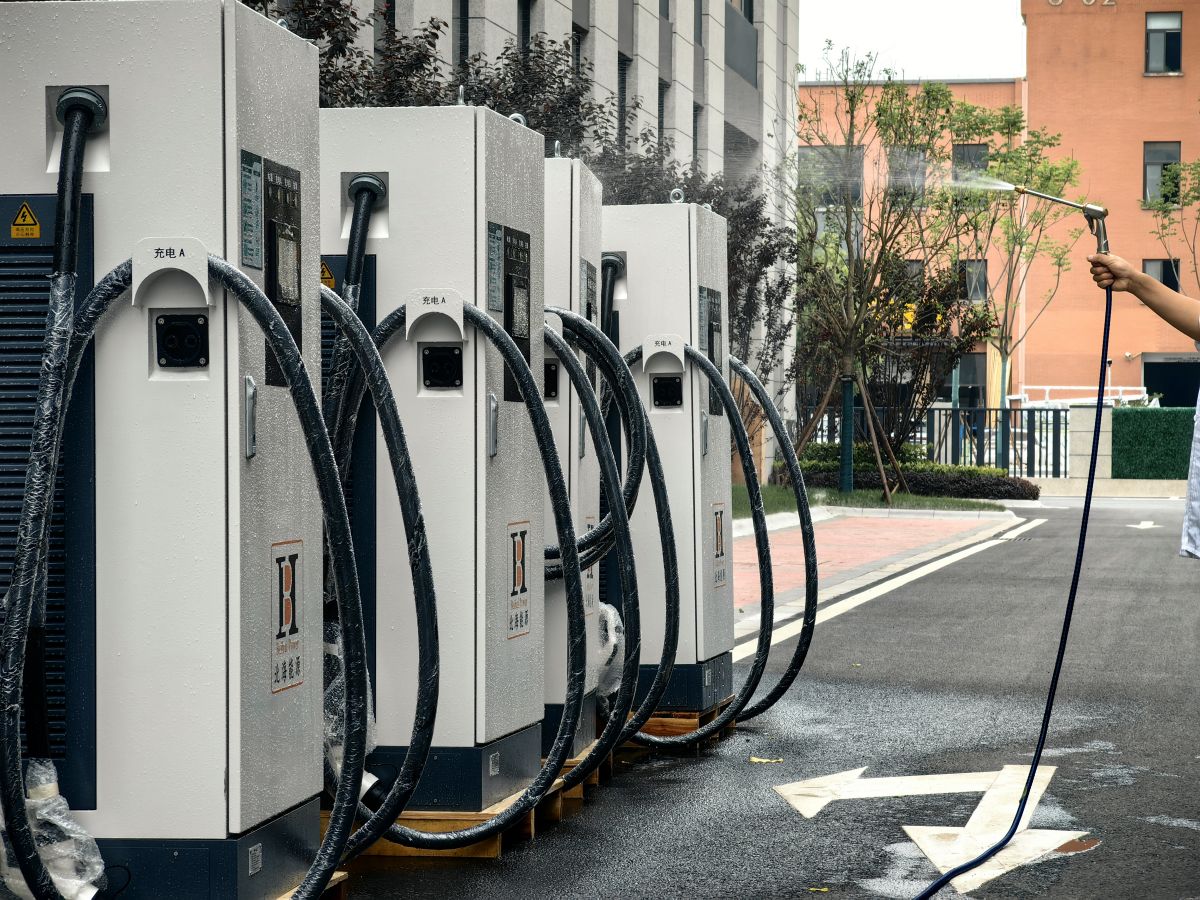
Our dedicated R&D team and strict quality control standards ensure we build robust AC and DC charging piles tailored to project specifications. We support fleet operators, public utility developers, and commercial properties with comprehensive charging solutions, from initial engineering design through installation and lifecycle management.
Custom Engineering Integration: We provide detailed adaptations for specific regional grids, integrating energy management platforms, dynamic payment kiosks, and automated load management tools to optimize local power distribution.
Full-Lifecycle Technical Services: We establish a dedicated support framework for every project, led by experienced technical support teams. We monitor performance throughout the product lifecycle, providing remote diagnostic assessments, firmware updates, and local installation guidance.
Our research division continuously updates our hardware portfolio to align with evolving grid systems and changing transportation platforms. The key technological milestones guiding our developments include:
Replacing traditional silicon IGBTs with next-gen SiC power switches, boosting conversion efficiency to 97.5% and reducing module size by 30%.
Designing high-power charging platforms for heavy-duty electric trucks and buses, enabling charge rates up to 1.2 Megawatts.
Developing robotic charging arms for autonomous driving fleets, ensuring secure connection interfaces without manual intervention.
Integrating cloud analytics to analyze power signatures in real time, predicting module maintenance needs before issues occur.
Every charger leaving our facility undergoes rigorous verification to meet strict electrical, electromagnetic, and mechanical safety standards globally.




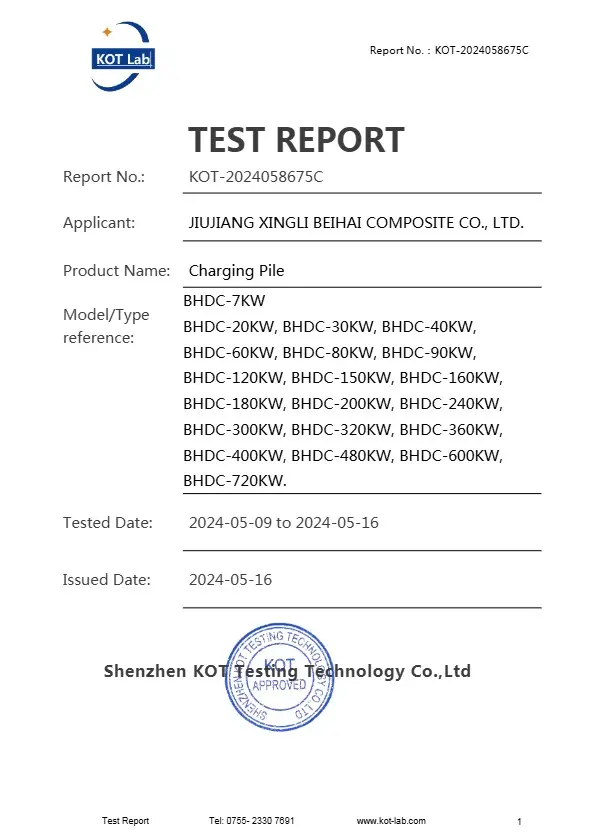
Single-phase chargers draw current from one active conductor (usually 220V-240V), limiting power output to 7.4kW. In contrast, 3-phase chargers distribute load across three active conductors (typically 380V-415V), enabling charge capacities of 11kW, 22kW, or 44kW. Three-phase power reduces charging times, minimizes phase unbalance issues on commercial grids, and improves overall electrical system efficiency.
We adapt the transformer taps, input filtration stages, power modules, and protection devices in our cabinets to match local voltages, such as 380V/400V in the EU and 480V in North America. This ensures stable power delivery and safety regardless of regional grid configurations.
Yes, all Beihai Power chargers natively support OCPP protocols. This allows operators to pair the hardware with standard Charge Point Management Systems (CPMS) to manage user authentication, billing, scheduling, and remote diagnostics.
Our enclosures feature IP54 or IP55 ingress protection ratings, high-grade anti-corrosive powder coatings, internal space heaters to prevent moisture condensation, and dynamic airflow routing. The power modules are isolated to prevent dust and humidity from accumulating on critical electronic components.
Our smart chargers continuously monitor real-time power draw. If multiple vehicles connect simultaneously, the controller dynamically adjusts the output of each port based on state-of-charge, demand, and total facility power limits. This prevents overloading the local transformer and avoids peak demand charges.
We provide comprehensive wiring schematics, localized configuration guides, and remote video diagnostics support. For large-scale projects, we coordinate with regional engineering partners to assist with site commissioning, troubleshooting, and local electrical compliance.
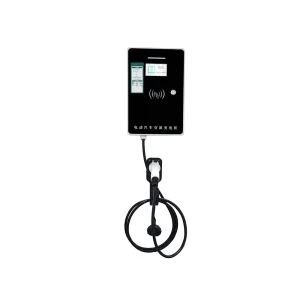
Explore our high-performance fleet models, including space-saving wall mounts and dual-outlet floor posts.