Architectural hardware engineered for high utilization, strict grid compliance, and versatile localized power deployment parameters.
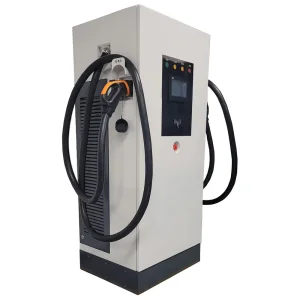
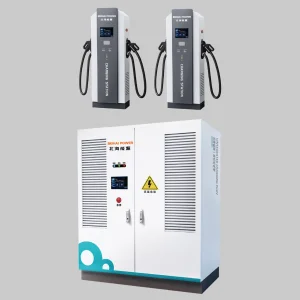
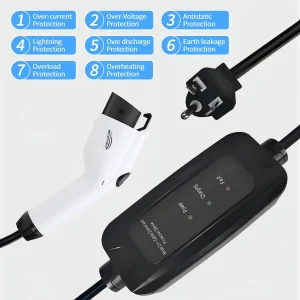
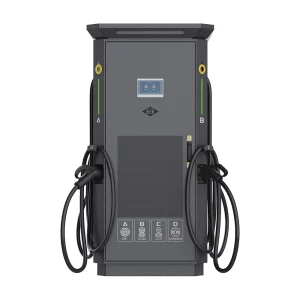
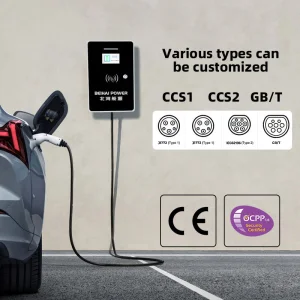
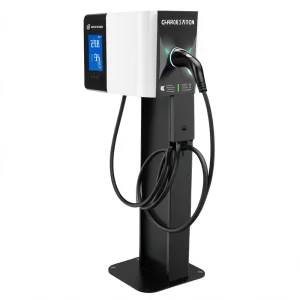
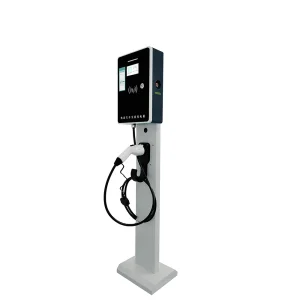
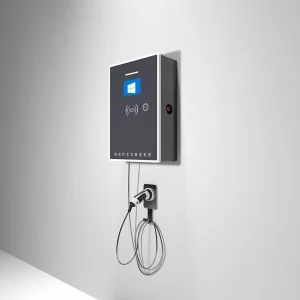
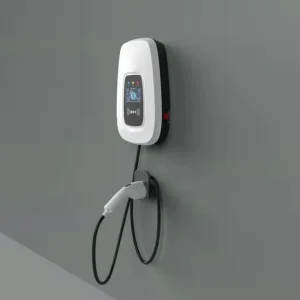
The global transition toward decentralized fleet charging and high-density residential electric vehicle infrastructure has catalyzed an unprecedented surge in demand for highly efficient, small-footprint wallboxes. Standard charging infrastructures often fall short due to severe space constraints, complex spatial restrictions, and variable local grid topologies. Next-generation wall-mounted charging stations directly address these challenges by delivering massive power density within robust, highly compact form factors.
For modern institutional procurement teams, utility companies, and municipal developers, selecting an EVSE manufacturing partner involves strict evaluation criteria. Buyers require ironclad assurance regarding Mean Time Between Failures (MTBF), total environmental resilience (such as IP65 or NEMA 4X integrity), seamless interoperability across varied international communication backends (including OCPP 1.6J and the advanced OCPP 2.0.1 architectures), and full compliance with ISO 15118 protocol stacks to future-proof Plug-and-Charge applications.
Furthermore, sourcing products from a world-class manufacturing center requires a transparent look at their comprehensive hardware stack. This includes analyzing the internal distribution architectures, electrical isolating barriers, embedded protection relays, and the thermal management arrays that keep components running efficiently during high-ambient thermal loads.
The manufacturing ecosystem at Beihai Power (China Beihai Power Co., Ltd.) leverages specialized precision engineering across all facets of production. Our facility bridges the gap between complex energy requirements and reliable infrastructure delivery for governments and commercial clients across Central Asia, Southeast Asia, the Middle East, Europe, Africa, South America, and North America.
Our core mission is to solve the critical challenges of charging speed, system reliability, and grid integration. By focusing on the performance of our integrated charging modules, we provide high-efficiency power solutions that ensure faster, safer, and more stable energy transfer for large-scale vehicle infrastructure projects.
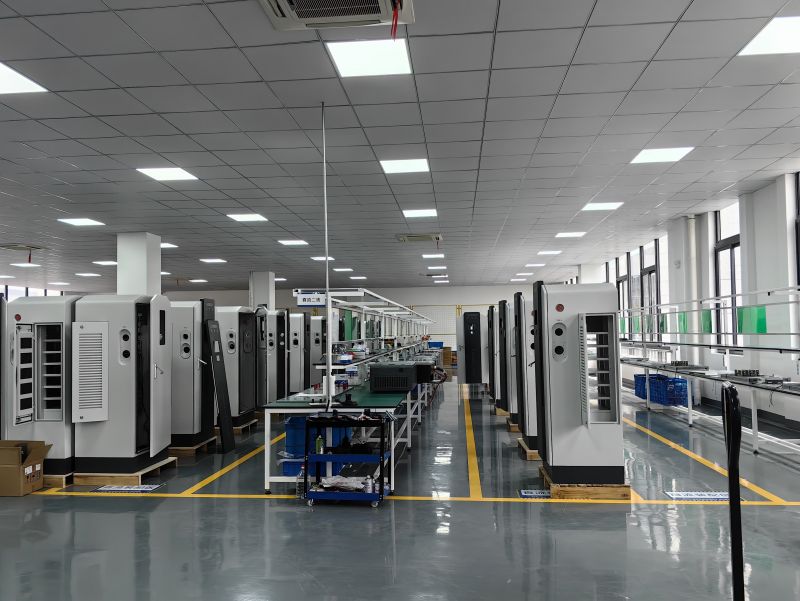
Automated high-speed precision cutting of structural chassis materials ensures millimeter-level accuracy and exceptional structural load ratings across all wallbox enclosures.
State-of-the-art sheet metal fabrication utilizes advanced robotic bending arrays to maintain pristine physical shielding profiles, meeting stringent anti-vandalism IK10 specifications.
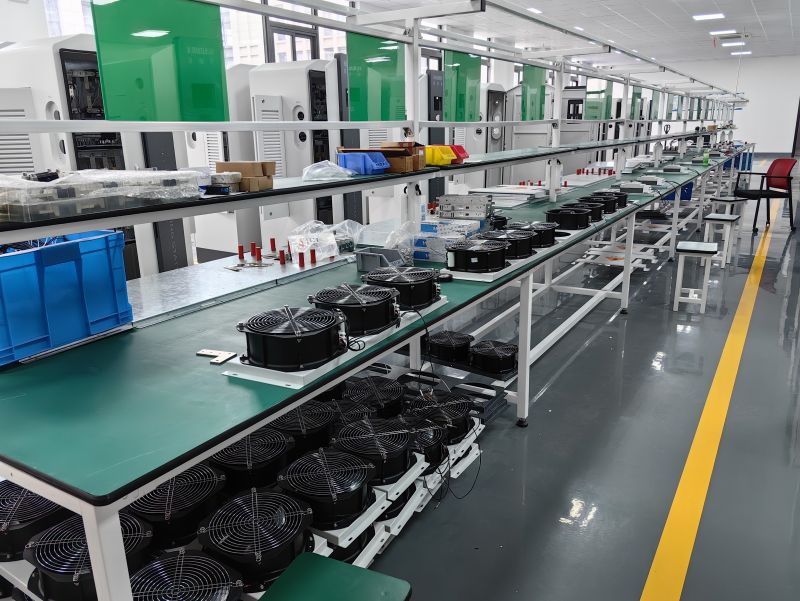
Ergonomic cabinet assembly lines integrate durable double-walled thermal cooling jackets to optimize convective airflow pathing inside every unit.
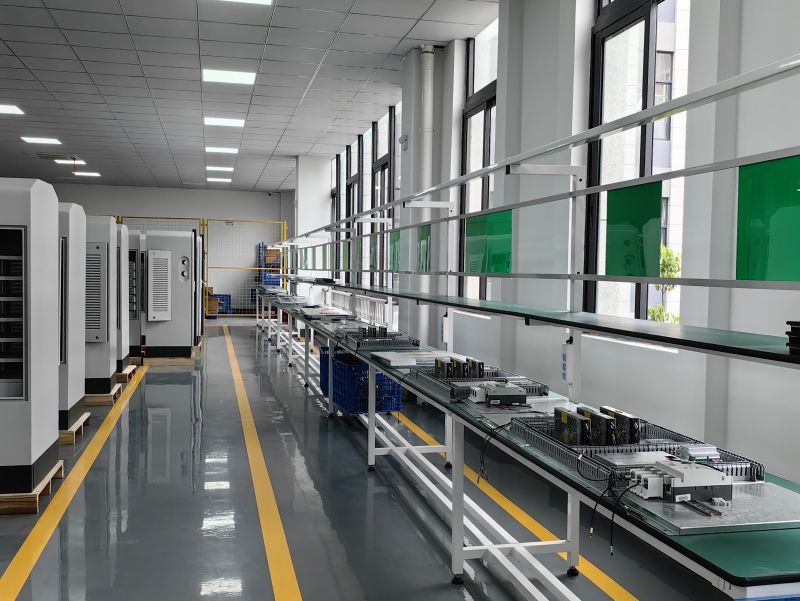
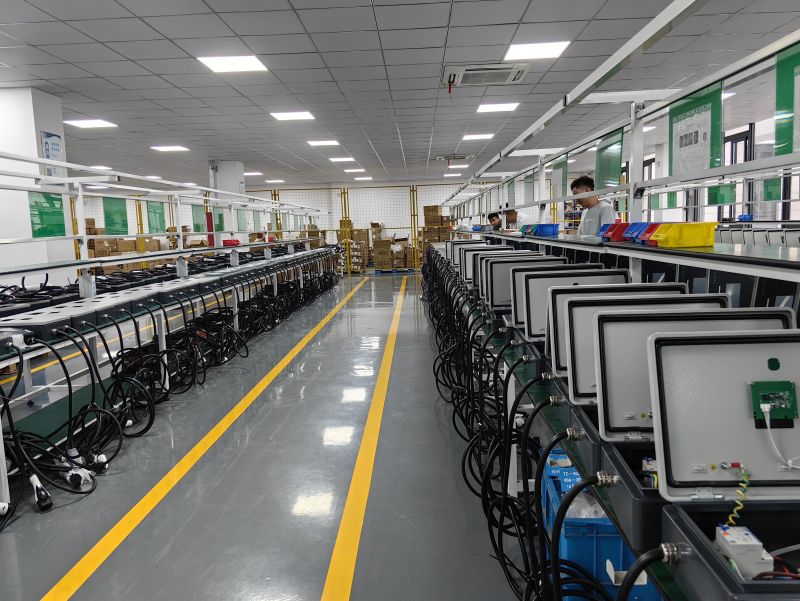
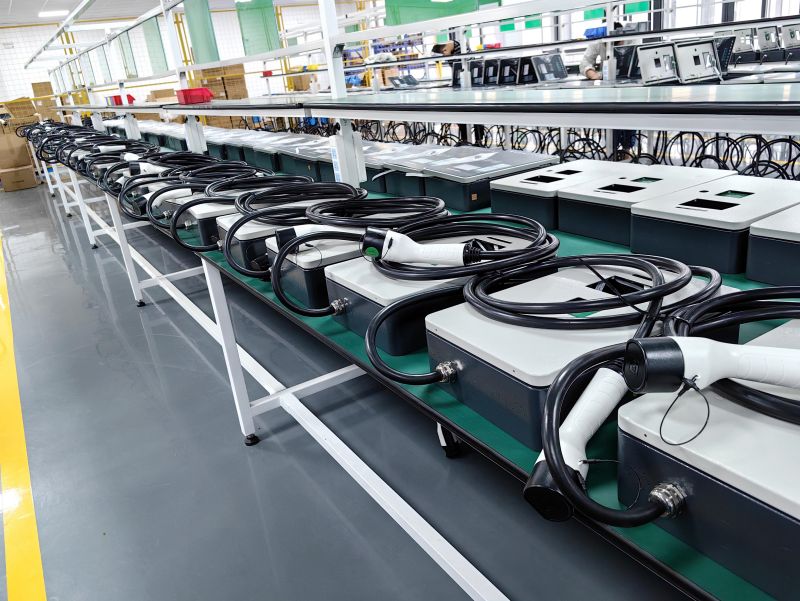
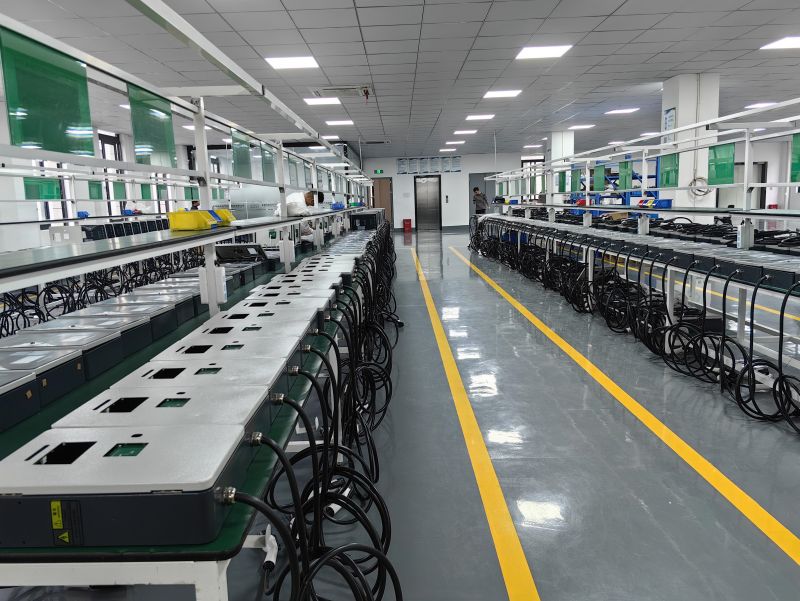
By executing precision manufacturing cycles under rigorous internal audits, the production line guarantees that every circuit board, terminal connection, and distribution rail meets high performance baselines before being cleared for deployment.

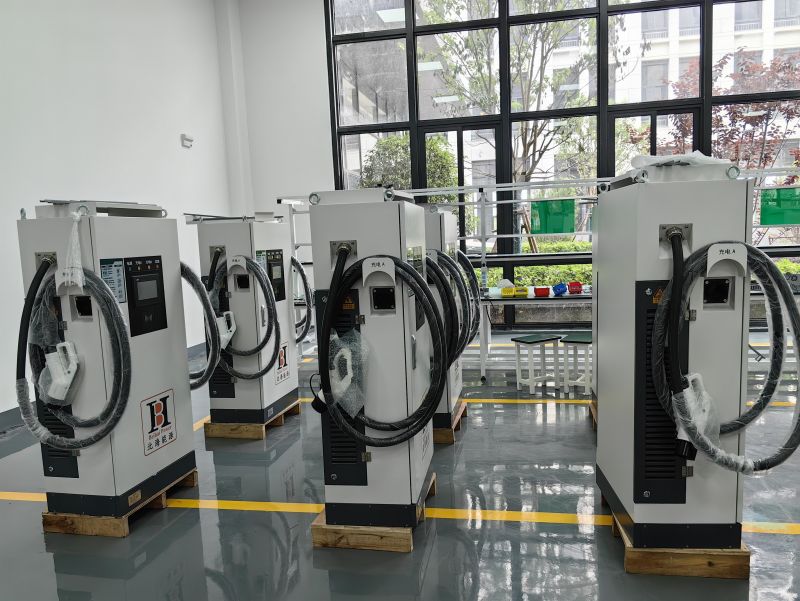
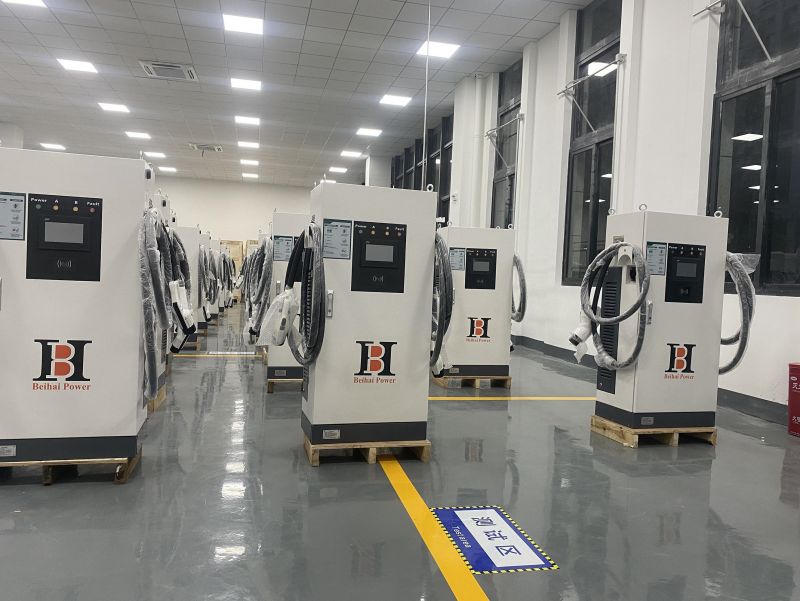
A transparent look inside our manufacturing pipeline, tracking product lifecycle development from raw raw components to validated field deployment.
Comprehensive verification of mechanical integrity, weld durability, and environmental seal profiles under simulated pressurized ingress conditions.
Automated SMT placement and robotic optical inspection of internal power module control logic circuits to ensure ultra-low signal noise transmission.
High-gauge wiring looms are integrated using torque-monitored automated pneumatic tools, eliminating human variance and mechanical bottlenecks.
Full-load thermal loop benchmarking, real-time insulation multi-point diagnostics, and exhaustive simulated duty-cycle execution across all systems.
How advanced wall-mounted infrastructure solves unique engineering constraints across modern commercial and industrial settings.
1. Subterranean Urban Parking Contexts: High-density metropolis underground facilities present severe space constraints and minimal ventilation profiles. Standard pedestal systems block driving pathways and are highly vulnerable to impact. Wall-mounted systems optimize floor space while using intelligent exhaust structures to direct residual power component heat upward away from adjacent car sensors.
2. Multi-Family Residential Complexes & Workplace Micro-Grids: Utilizing Dynamic Load Balancing (DLB), clusters of wall-mounted charging stations communicate locally via RS485 or wireless networks. When multiple vehicles charge at the same time, the system balances power distribution to protect the building's main circuit breaker, eliminating the need for expensive localized grid upgrades.
3. Deep Cryogenic Logistics & Extreme Latitudes: In northern logistics depots and extreme sub-zero commercial applications, standard electronics often face terminal capacitor failure. Drawing from our deep engineering work in ultra-low temperature cryogenic lithium energy profiles, our specialized wallboxes use integrated internal heating pads. These elements keep critical circuit components within their optimal thermal performance zones, ensuring reliable operation even down to -40°C.
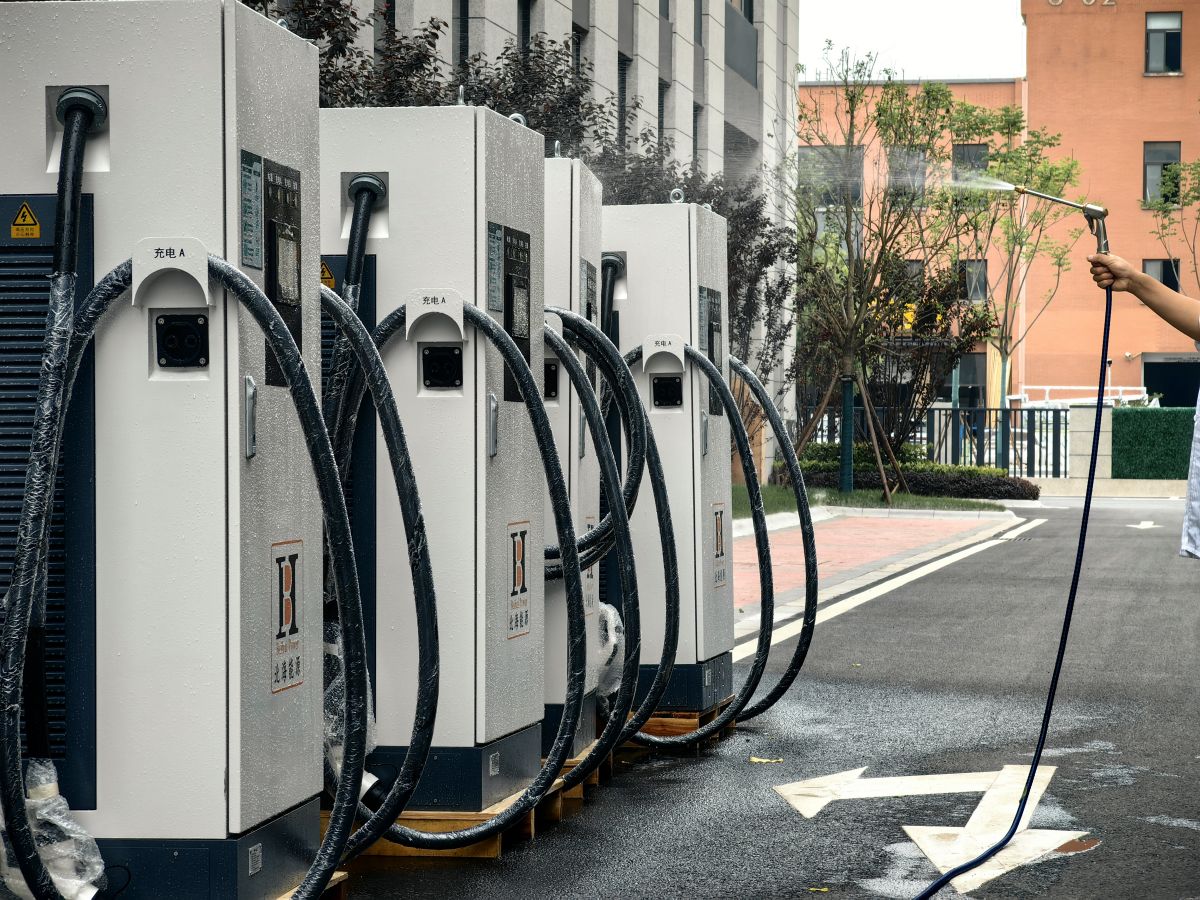
We feature world-class R&D engineers alongside high-quality management teams. We design and manufacture versatile AC and DC charging stations tailored precisely to individual client requirements. From the factory floor straight to long-term deployment, we execute full tracking and end-to-end technical support, managed directly under our general manager customer-care mandate.
Our hardware is fully certified by leading international testing houses, ensuring seamless approval and rapid integration into public utility networks worldwide.

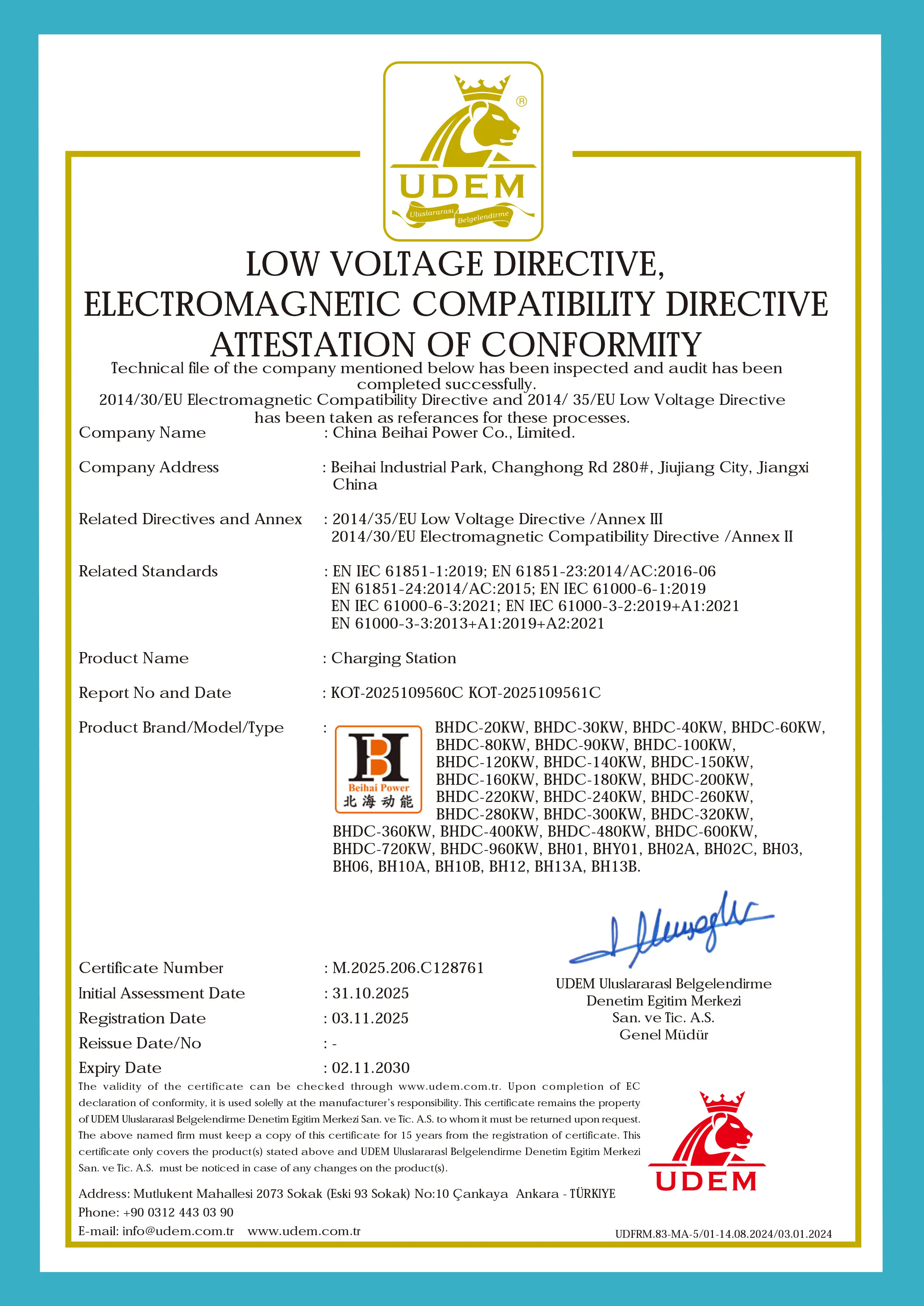
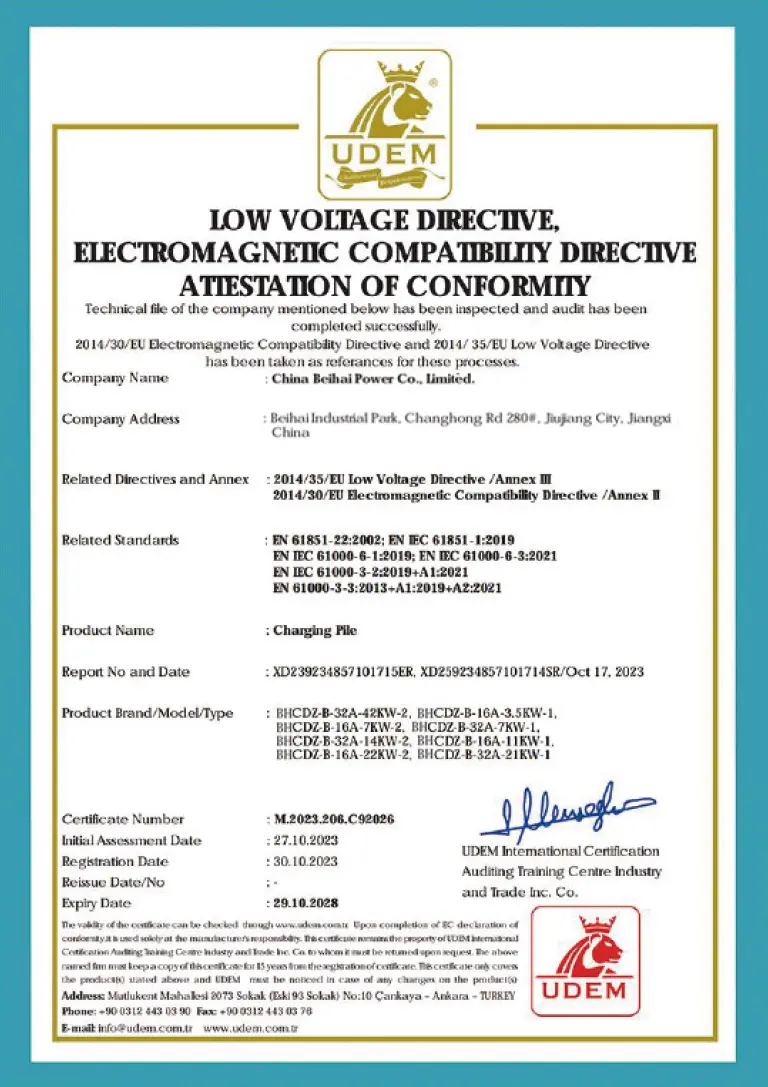

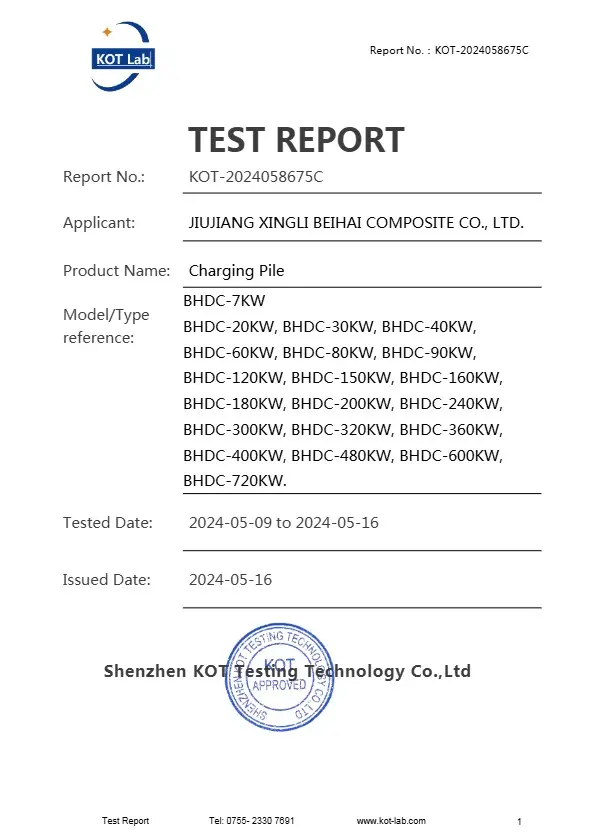
Critical structural, mechanical, and electrical answers prepared by senior hardware integration engineers.
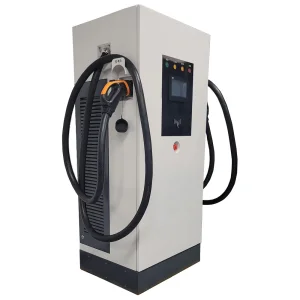
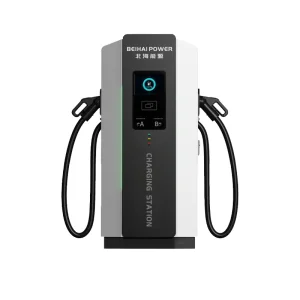
Extended professional hardware selection designed for municipal integration, heavy transport hubs, and scalable fleet operations.