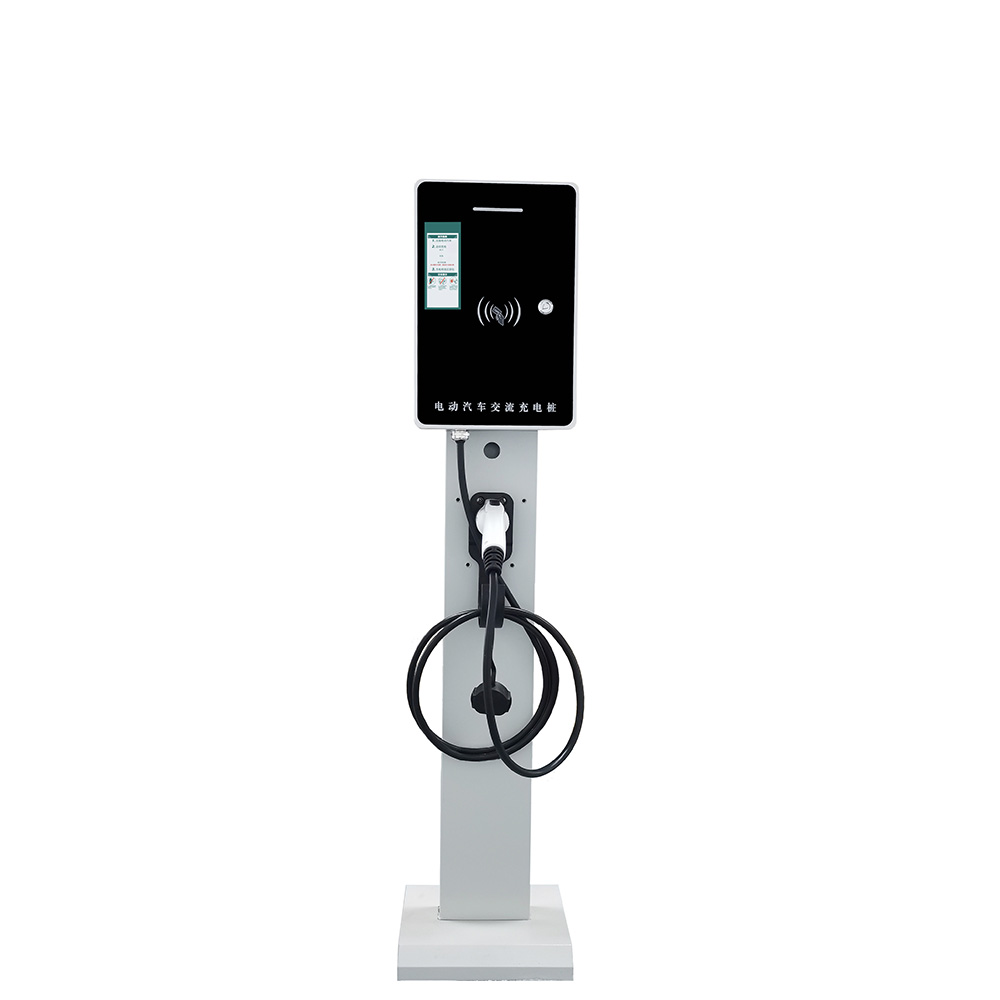
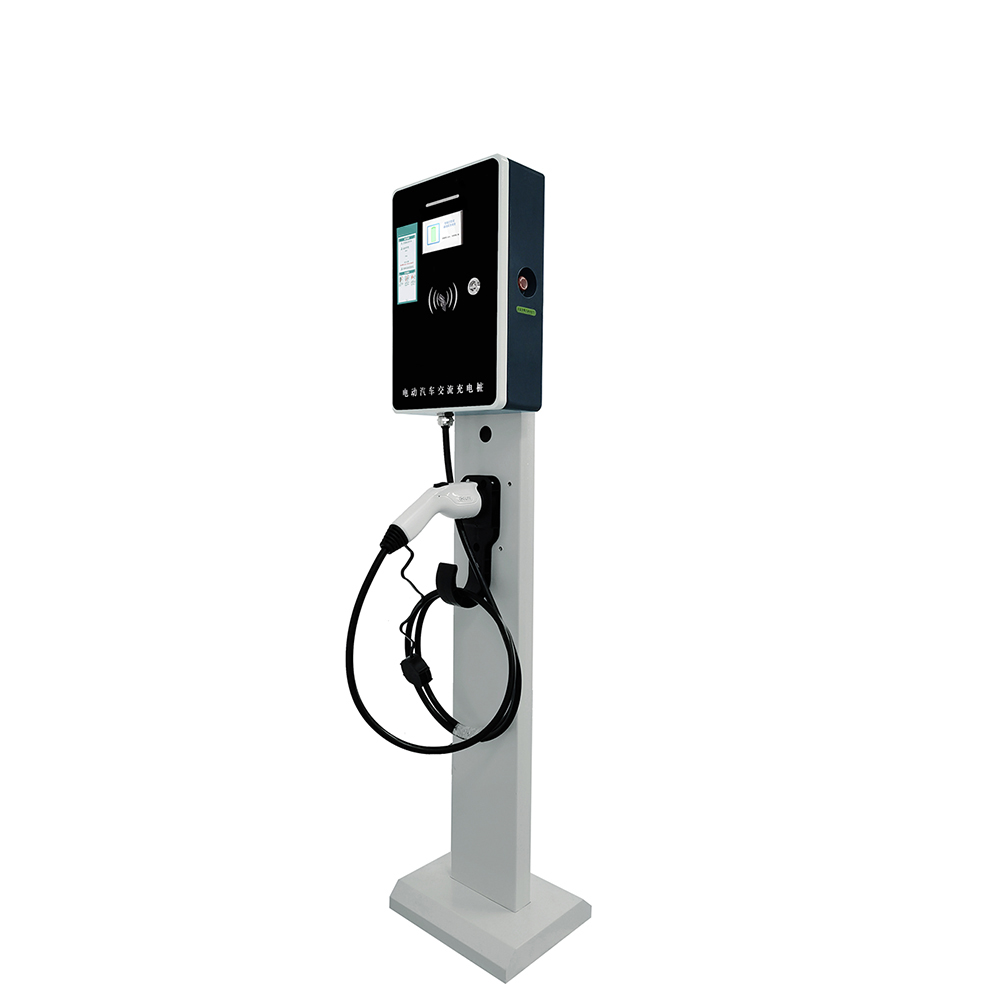
1 / 5

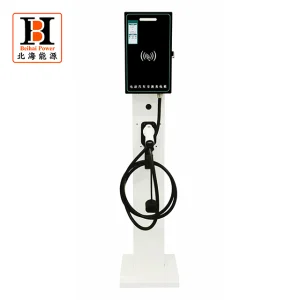
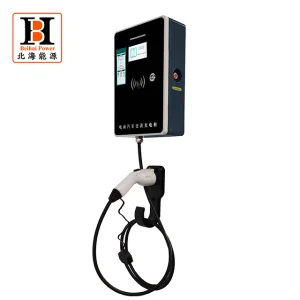
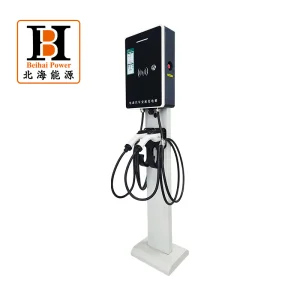
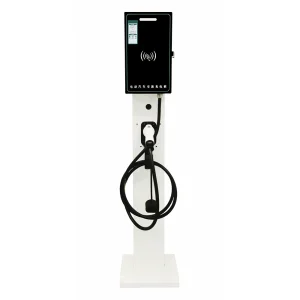
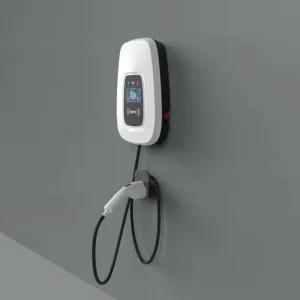
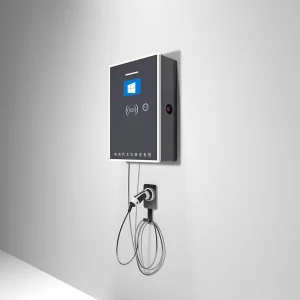
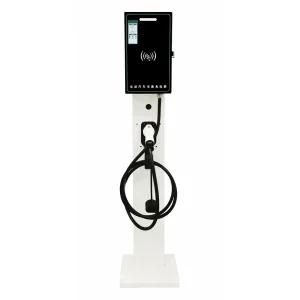
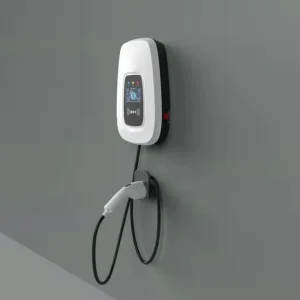
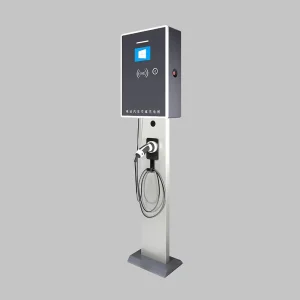
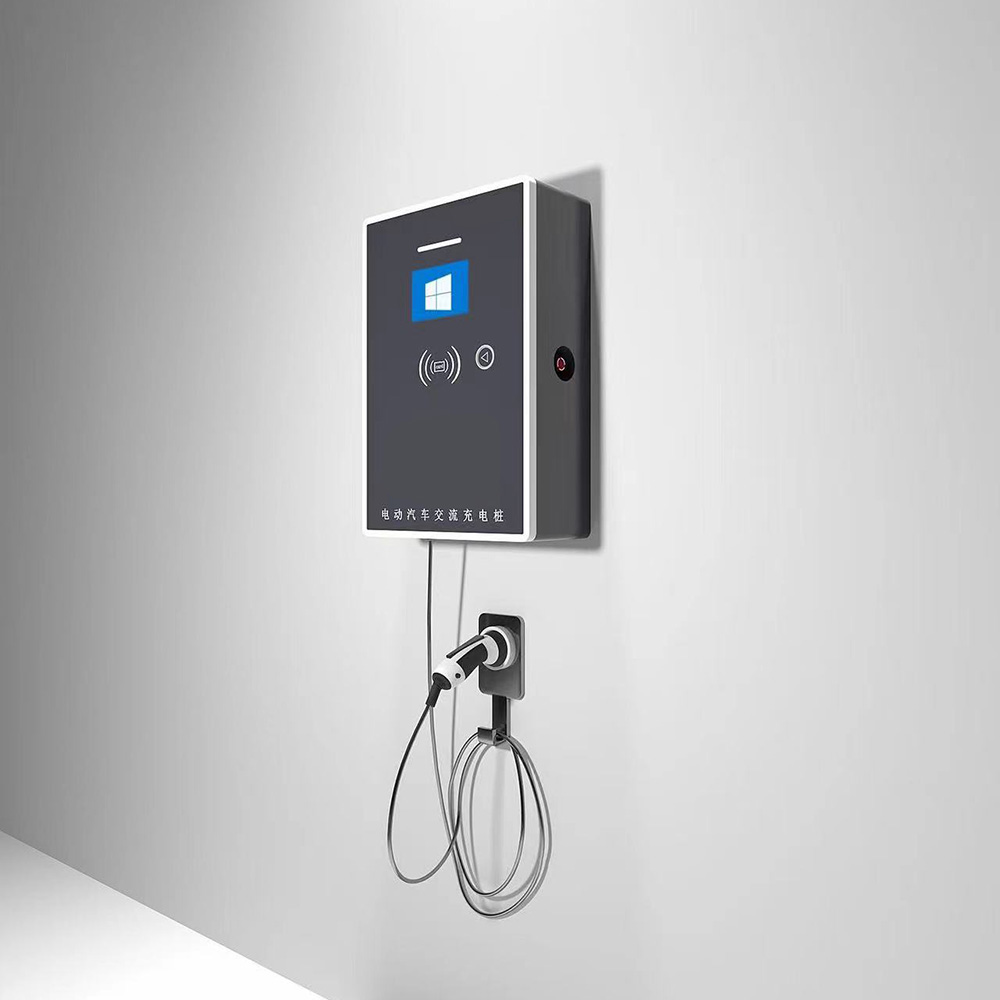
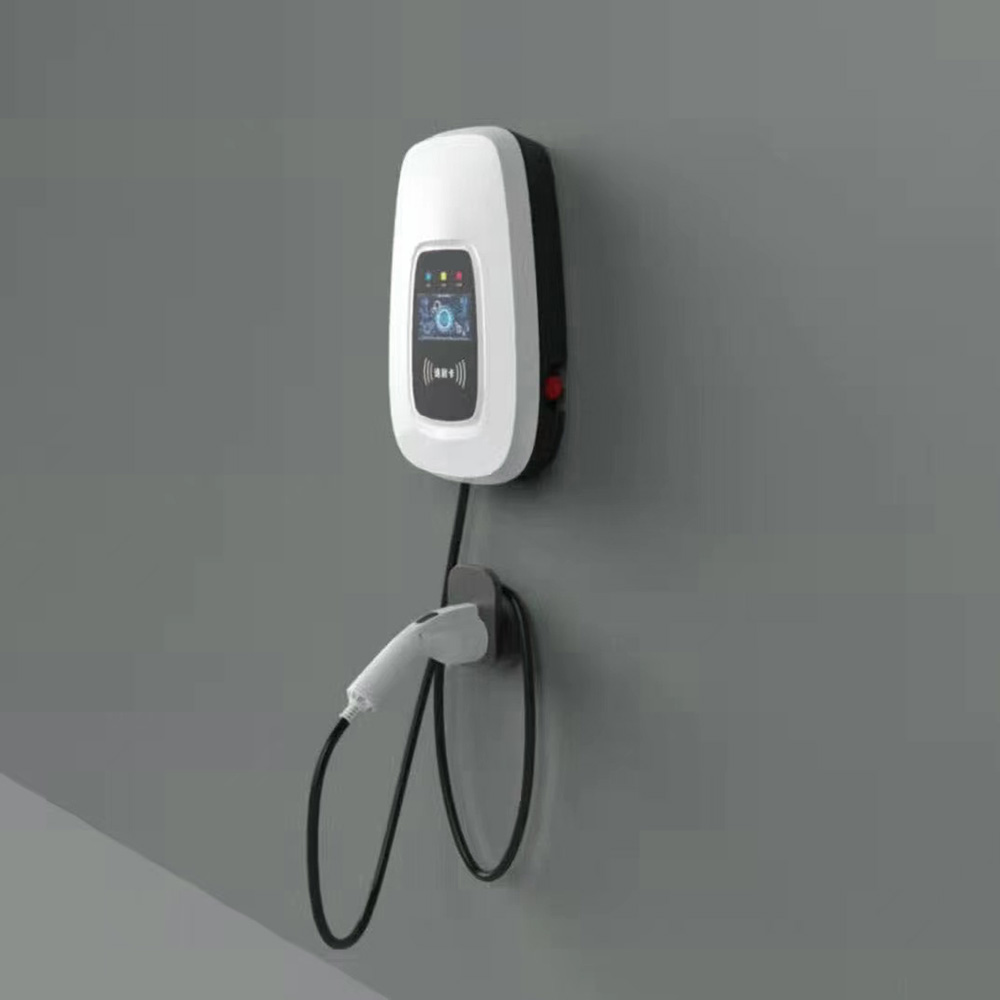
| IEC-2 80KW AC Double Gun (wall and floor) charging pile | ||
| Unit Type | BHAC-63A-80KW | |
| Technical Parameters | ||
| AC Input | Voltage range (V) | 480±15% |
| Frequency range (Hz) | 45~66 | |
| AC Output | Voltage range (V) | 380 |
| Output Power (KW) | 24KW/48KW | |
| Maximum current (A) | 63A | |
| Charging interface | 1/2 | |
| Configure Protection | Operation Instruction | Power, Charge, Fault |
| Machine display | No/4.3-inch display | |
| Charging operation | Swipe the card or scan the code | |
| Metering mode | Hourly rate | |
| Communication | Ethernet (Standard Protocol) | |
| Heat dissipation | Natural Cooling | |
| Protection level | IP65 | |
| Leakage protection (mA) | 30 | |
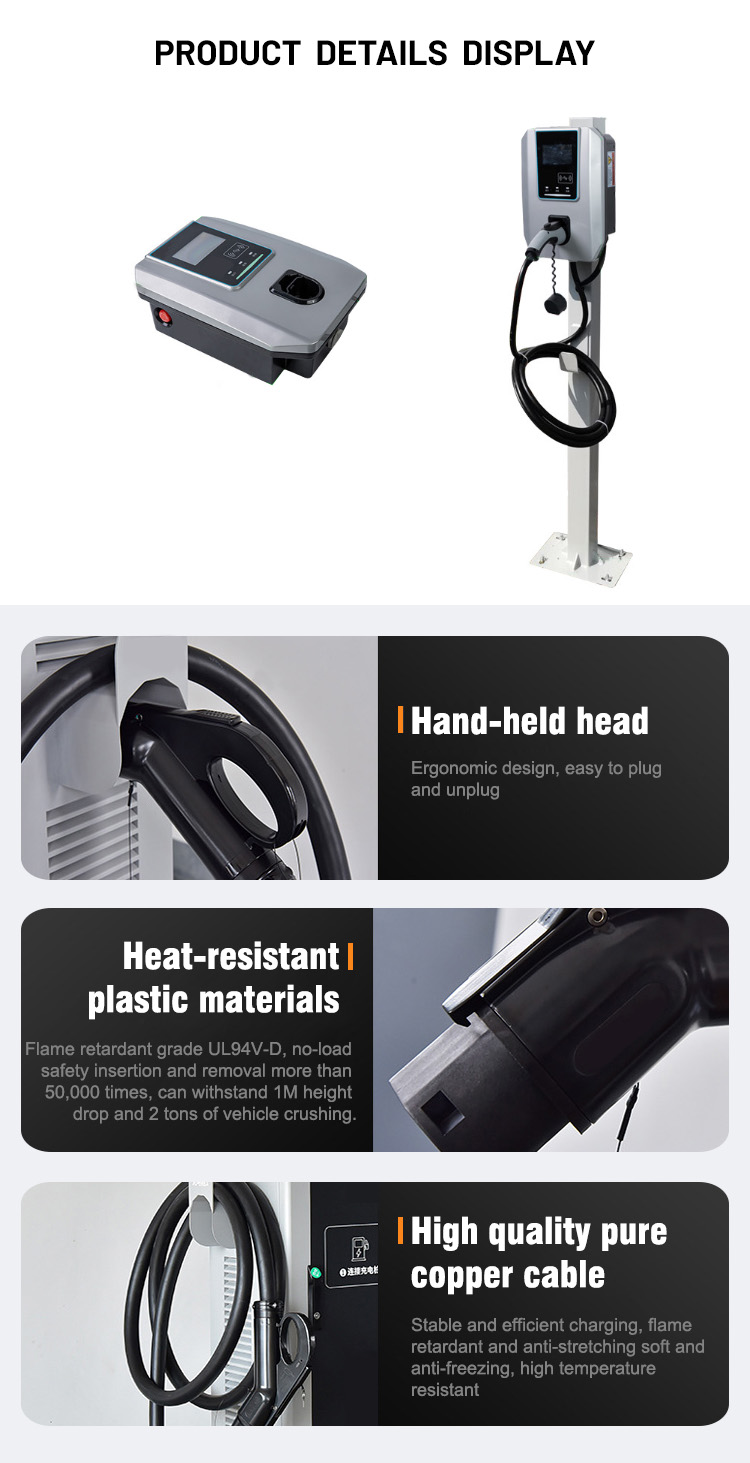
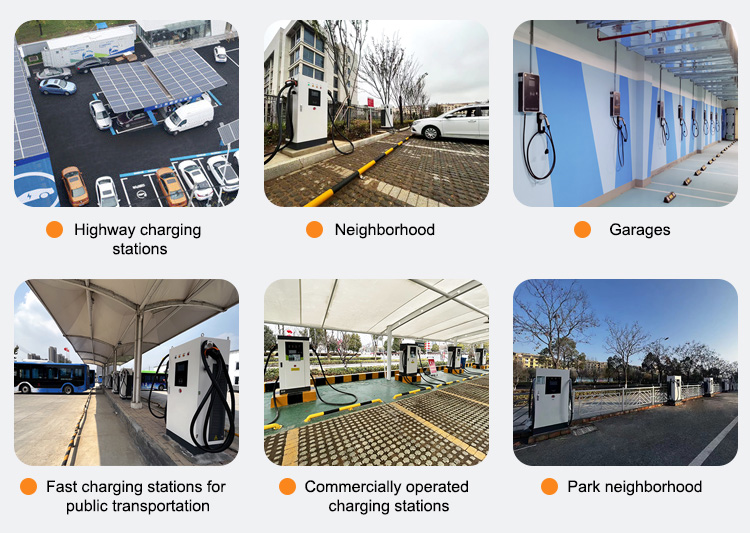
Common power of 3.3 kW and 7 kW. Installation is flexible and adaptable to different scenes.
Usually takes 6-8 hours for full charge, ideal for overnight charging or long parking durations.
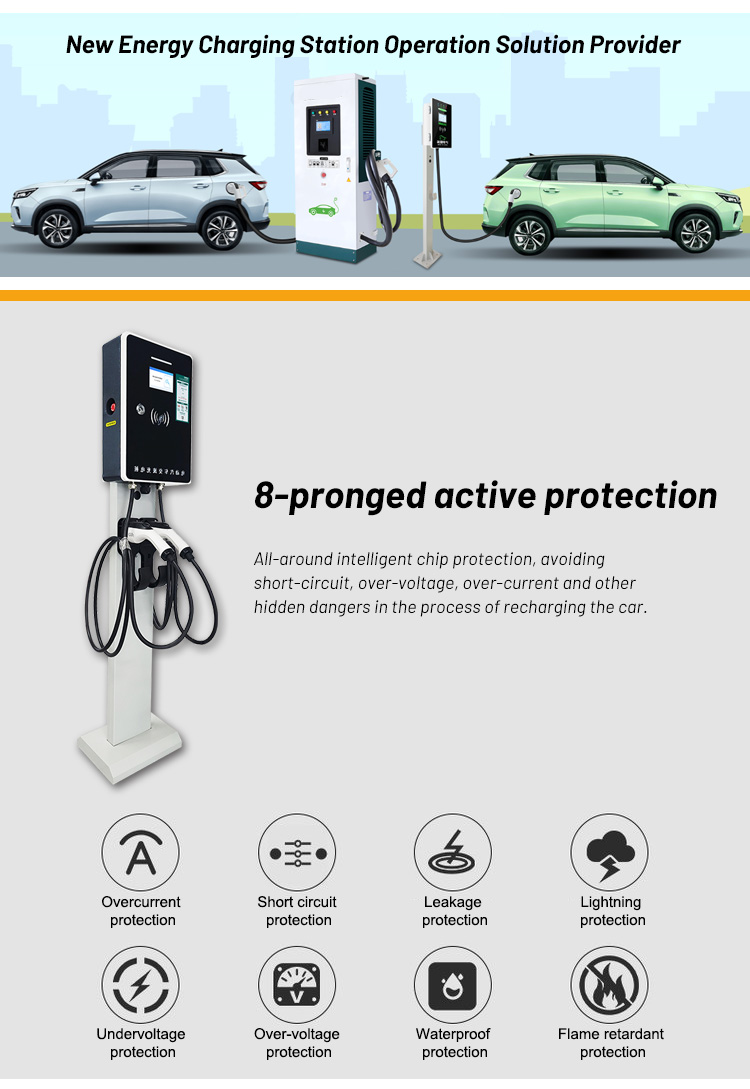
Features over-voltage, under-voltage, overload, short-circuit, and leakage protection.
Large-size LCD colour touch screen with multiple charging modes and real-time status monitoring.
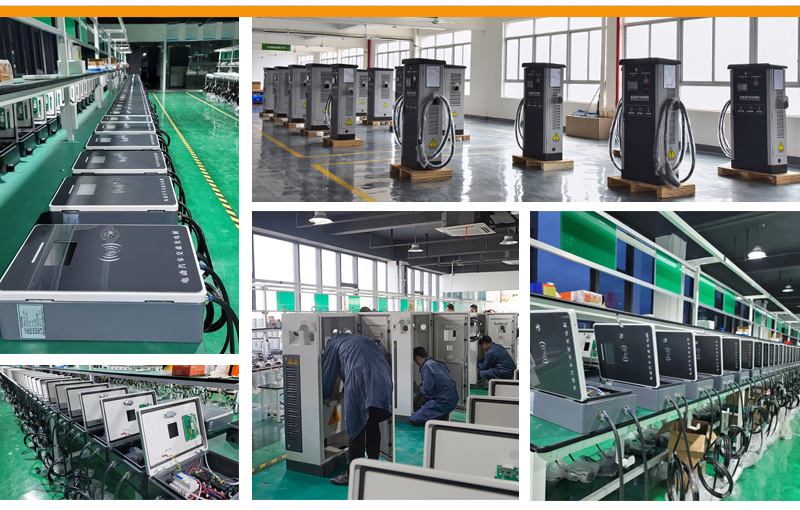
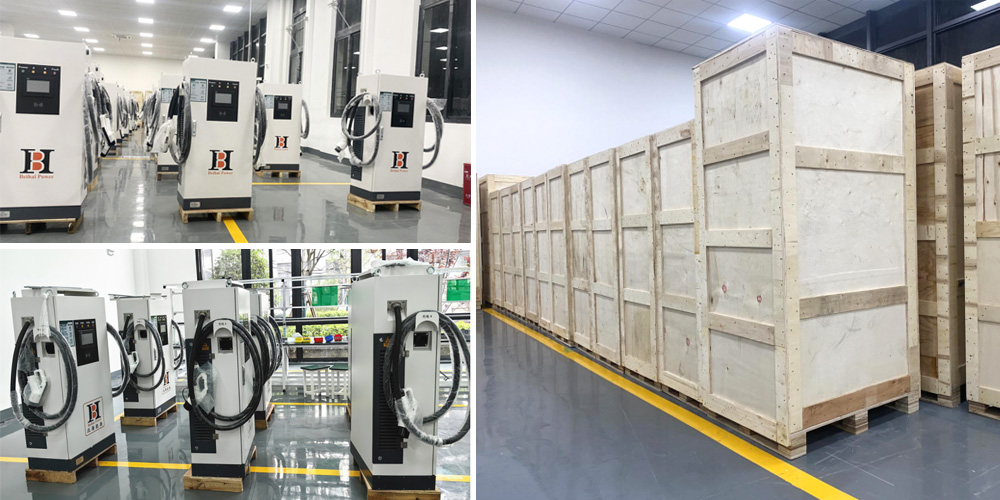
AC charging piles provide alternating current to the vehicle's on-board charger, which then converts it to DC. It is generally slower but more affordable and better for battery longevity compared to DC fast charging.
Depending on the battery capacity and the charger power (usually 7kW to 24kW), it typically takes between 6 to 8 hours to reach a full charge, making it perfect for overnight use.
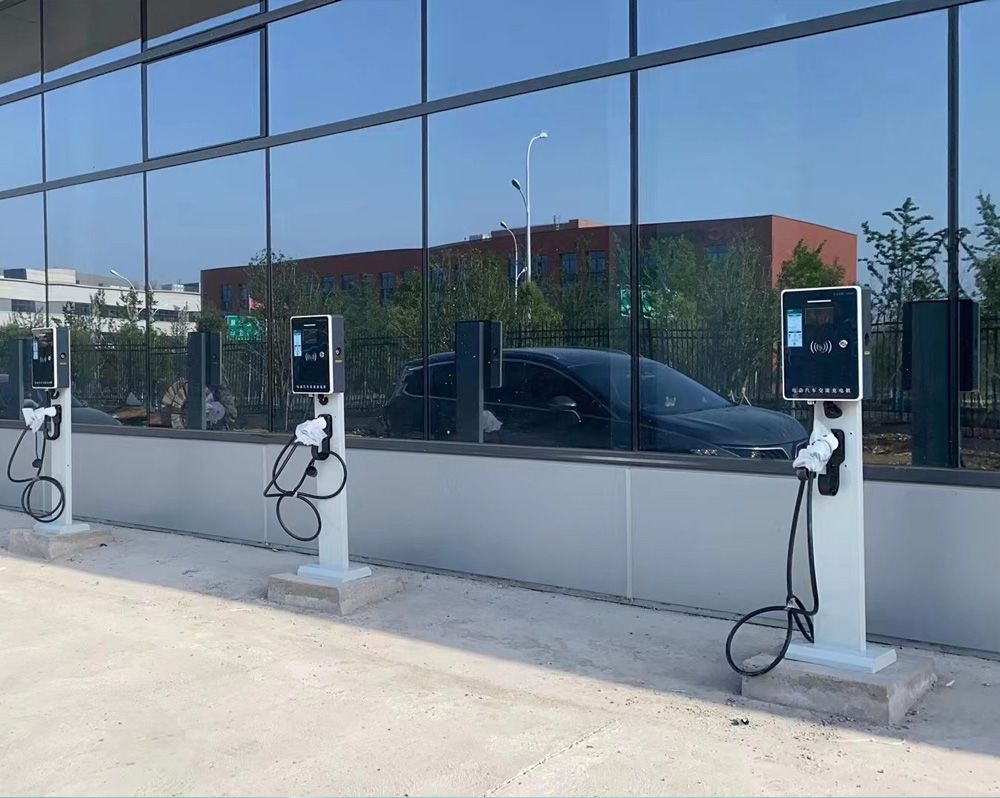
Yes, our AC charging piles feature an IP65 protection level and comprehensive leakage protection, ensuring safe operation even in outdoor or damp environments.
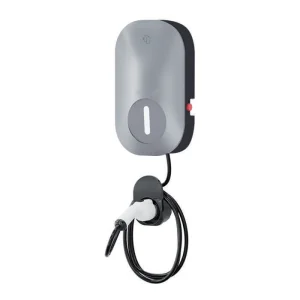
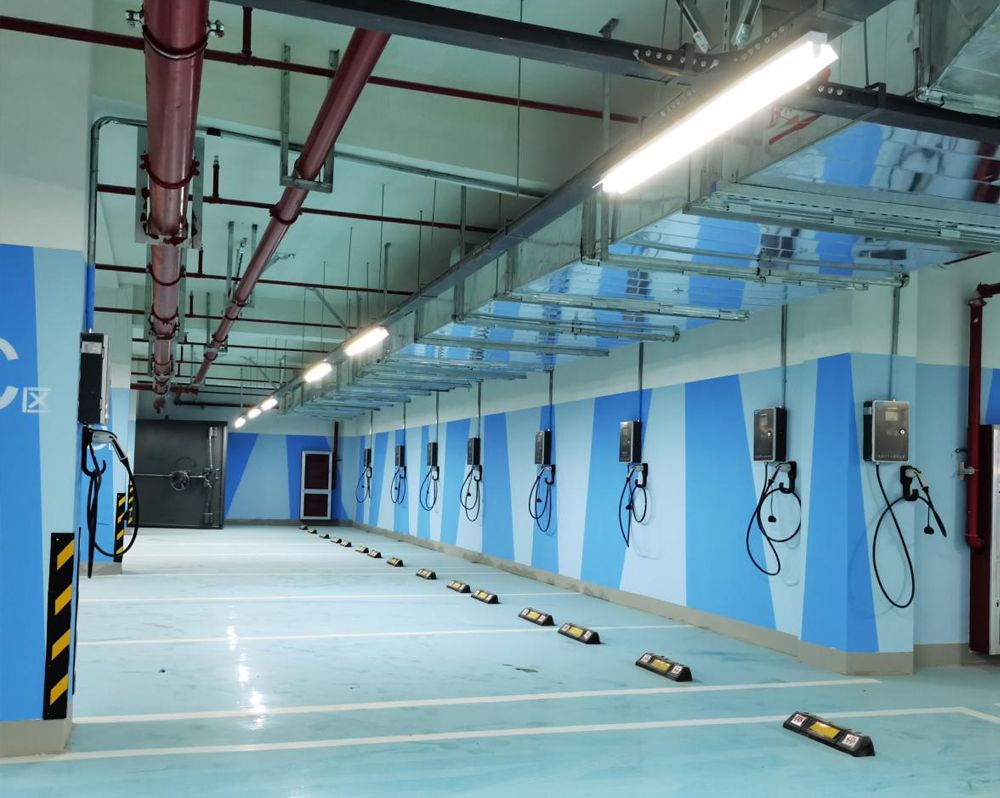
Absolutely. AC charging piles are designed with flexible installation modes, including wall-mounted and floor-standing options, making them ideal for residential garages or private parking spaces.
The units come with LCD touch screens and support multiple charging modes such as timed charging, quantitative charging, and smart charging to full, accessible via card swiping or code scanning.
AC charging has a lower impact on the grid compared to fast chargers. By charging during off-peak hours, users can help stabilize the grid and reduce their electricity costs.