As of 2024, over 80% of electric vehicle charging occurs at home. The global Electric Car Charger At Home market is no longer just about convenience; it is a critical node in the decentralized energy network. China manufacturers have transitioned from basic assembly to pioneering Dynamic Load Balancing (DLB) and V2H (Vehicle-to-Home) protocols.
China accounts for nearly 60% of the world's EV charger production. This dominance is driven by an integrated supply chain—from semiconductor fabrication to advanced polymer housing. By leveraging "China Electric Car Charger At Home Manufacturers," global distributors gain access to high-MTBF (Mean Time Between Failure) hardware at a 30-40% lower TCO (Total Cost of Ownership).
The industry is moving toward bi-directional charging and AI-driven energy management. Future chargers will automatically optimize for off-peak electricity rates, utilizing solar PV integration to provide a zero-emission fueling cycle for domestic users.
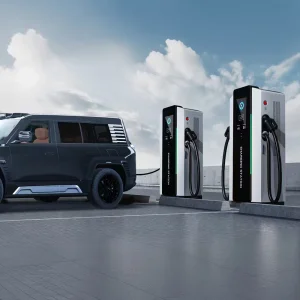
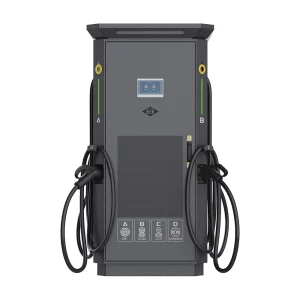
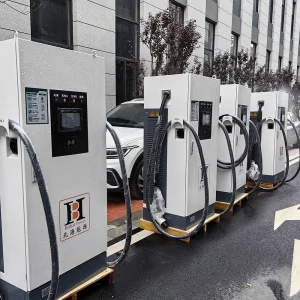
Beihai Power (China Beihai Power Co., Ltd.) is a specialized manufacturer dedicated to the innovation of DC fast-charging technology and smart AC charging technology. We bridge the gap between complex energy requirements and reliable infrastructure delivery for governments and commercial clients across Central Asia, Southeast Asia, the Middle East, Europe, Africa, South America, and North America.
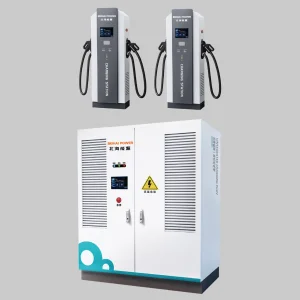
Our core mission is to solve the critical challenges of charging speed, system reliability, and grid integration. By focusing on the performance of our integrated charging modules, we provide high-efficiency power solutions that ensure faster, safer, and more stable energy transfer for large-scale vehicle infrastructure projects.

Power Conversion Efficiency
Units Exported Annually
Weatherproof Protection
OCPP Protocol Support
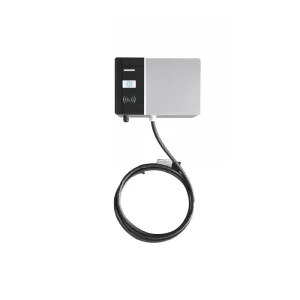
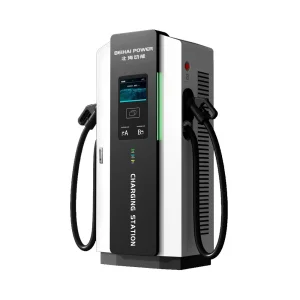
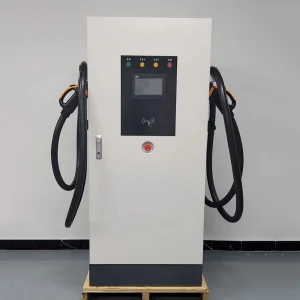
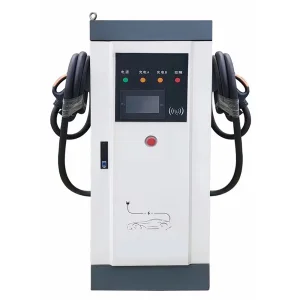
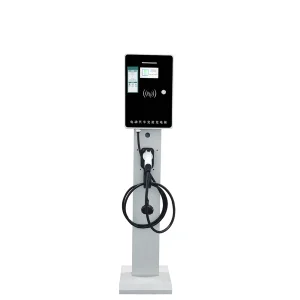
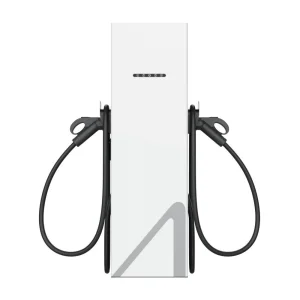
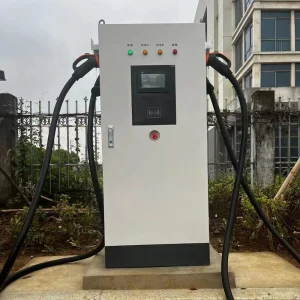
Our technical roadmap focuses on the transition from Level 2 AC charging to Compact DC Home Charging. While traditional 7kW AC chargers are the standard, the emergence of 20kW and 30kW wall-mounted DC units allows homeowners to achieve "fast charging" speeds traditionally reserved for commercial hubs. This innovation leverages high-frequency power electronic switching and silicon carbide (SiC) technology to minimize heat and maximize longevity.
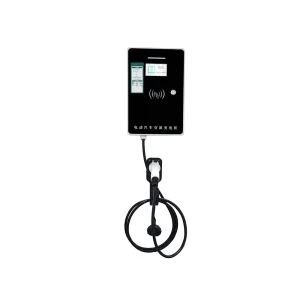
Installation of 7kW-22kW Smart AC Wallbox with 4G/WiFi connectivity for remote app management and solar excess charging integration.
Implementing RFID-based access control and Load Management systems to prevent circuit overloads in apartment complexes.
Solution for logistics drivers who charge company vans at home, featuring automated reimbursement reports via OCPP backend.
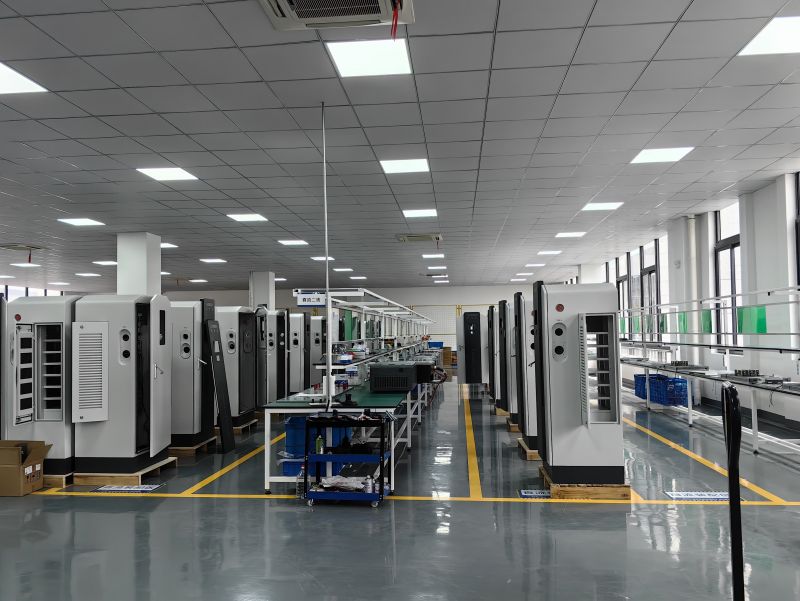
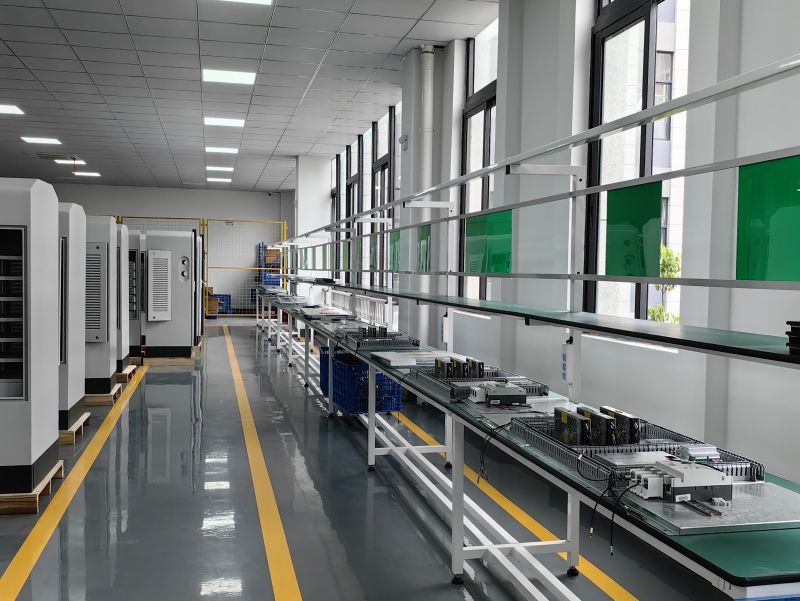
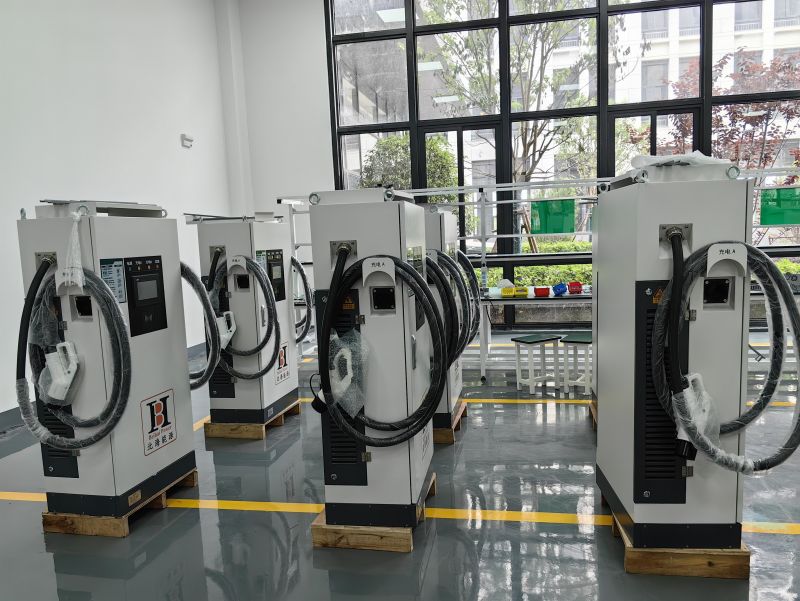
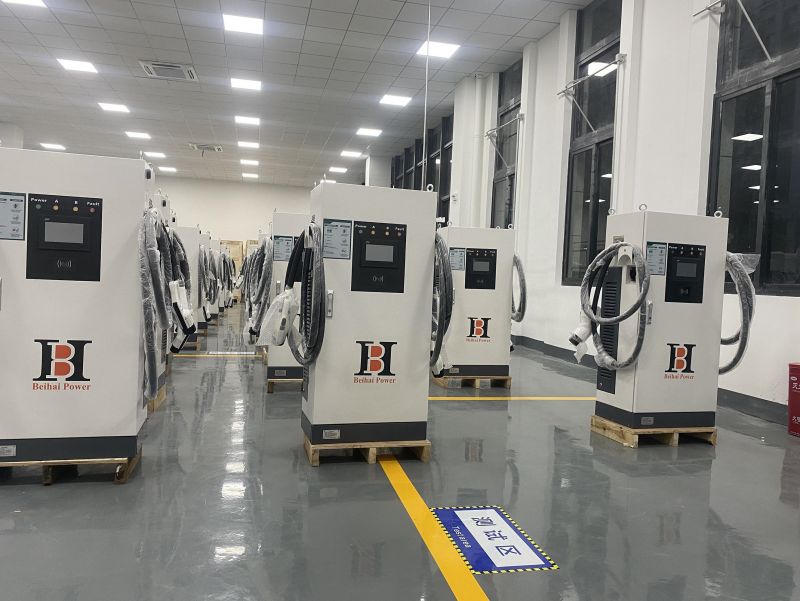
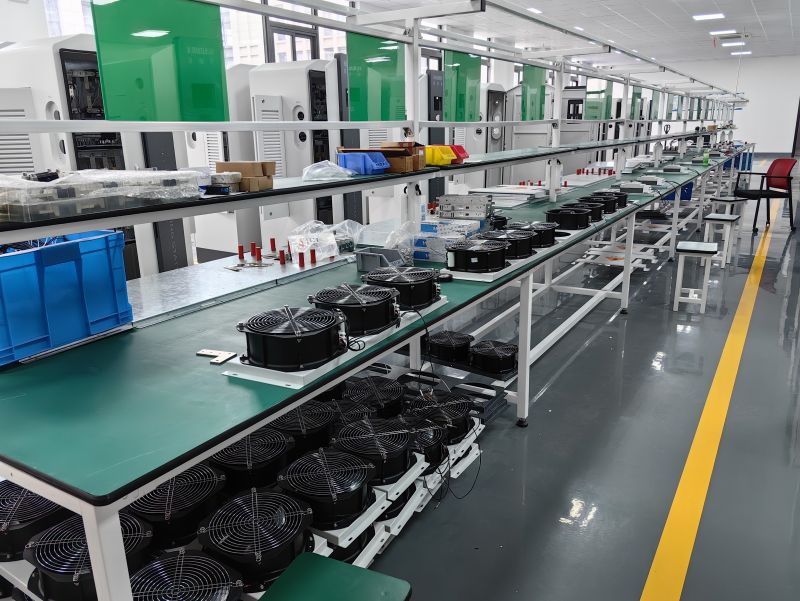
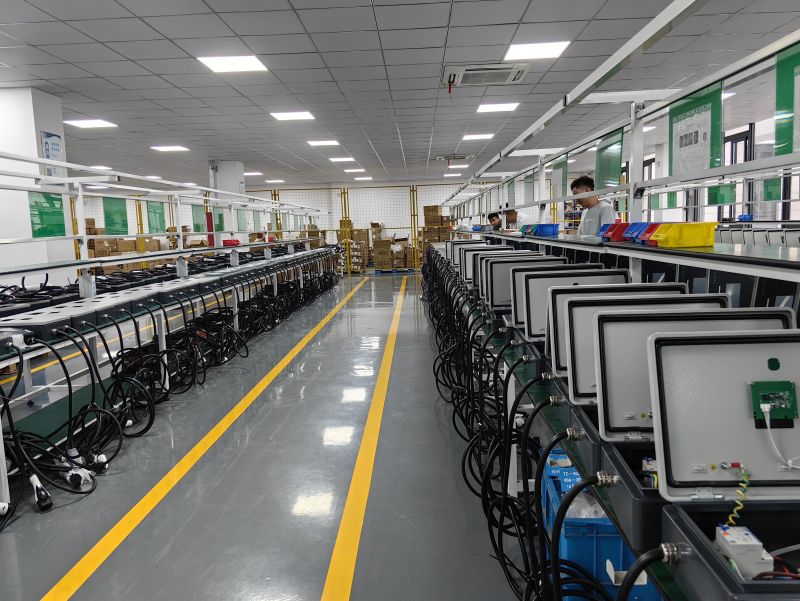
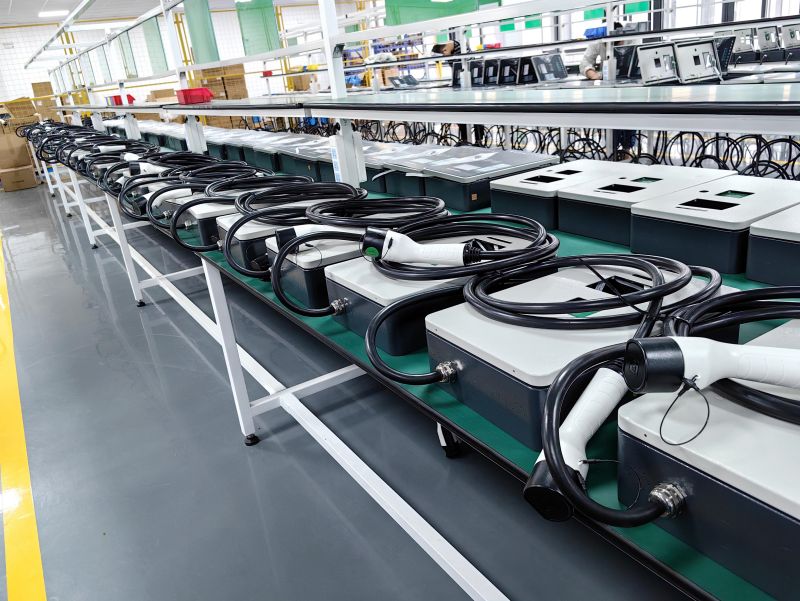
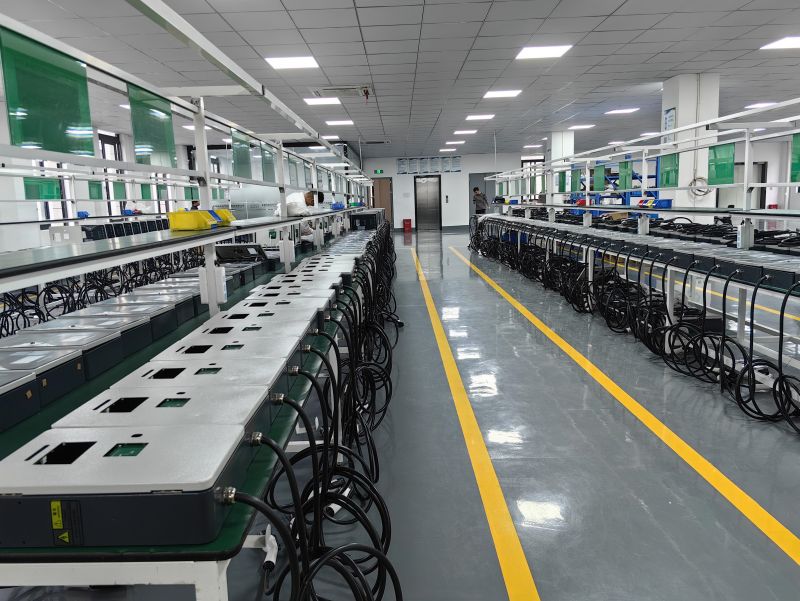
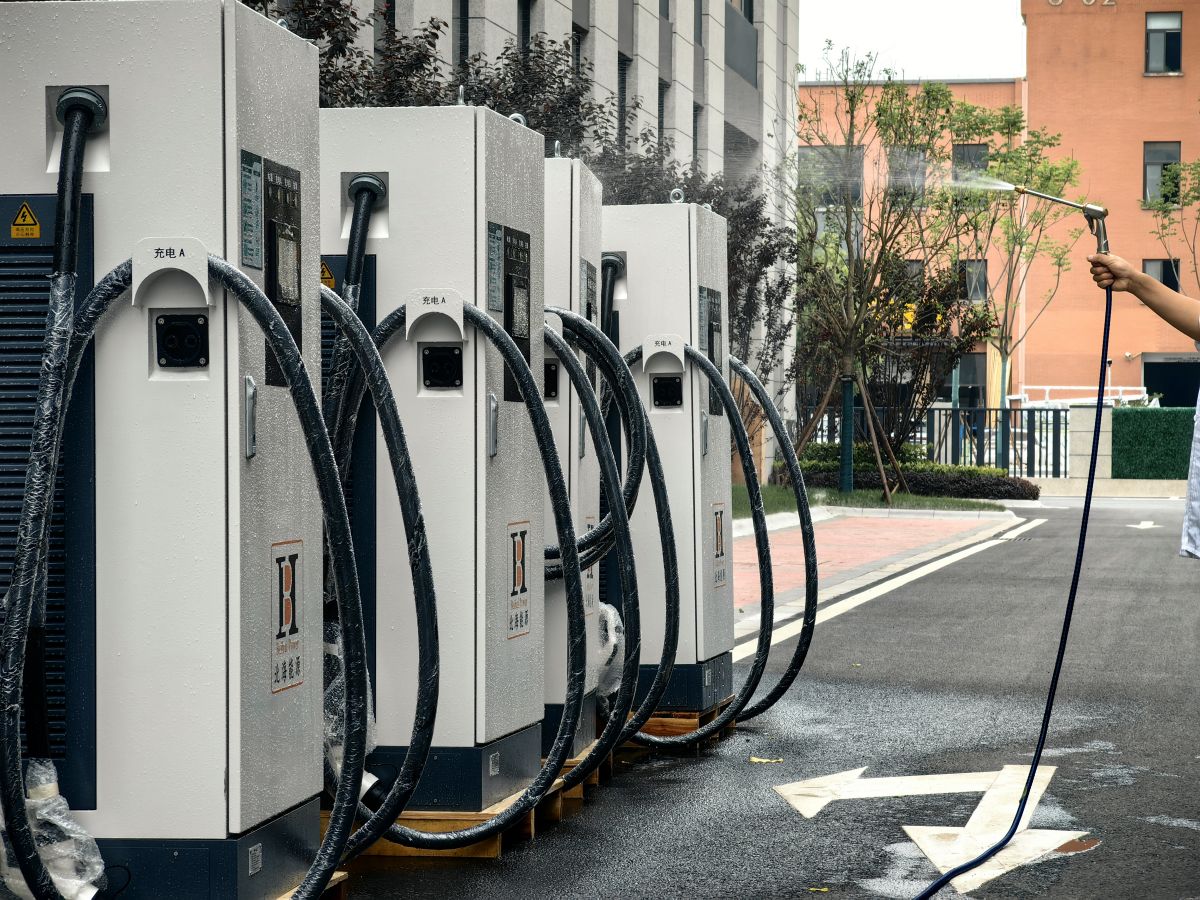
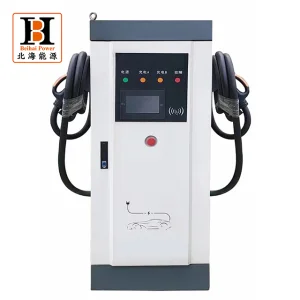
We have first-class R & D personnel and high-quality management personnel, can manufacture various AC charging station and DC charging station to the needs of customers, to provide customers with complete solutions in the field of charging station applications and efficient and fast service.
While the company has established a user service system with the general manager as the direct responsible person, from the production line of the product factory to the user's use of the process, the implementation of the whole tracking and technical services.
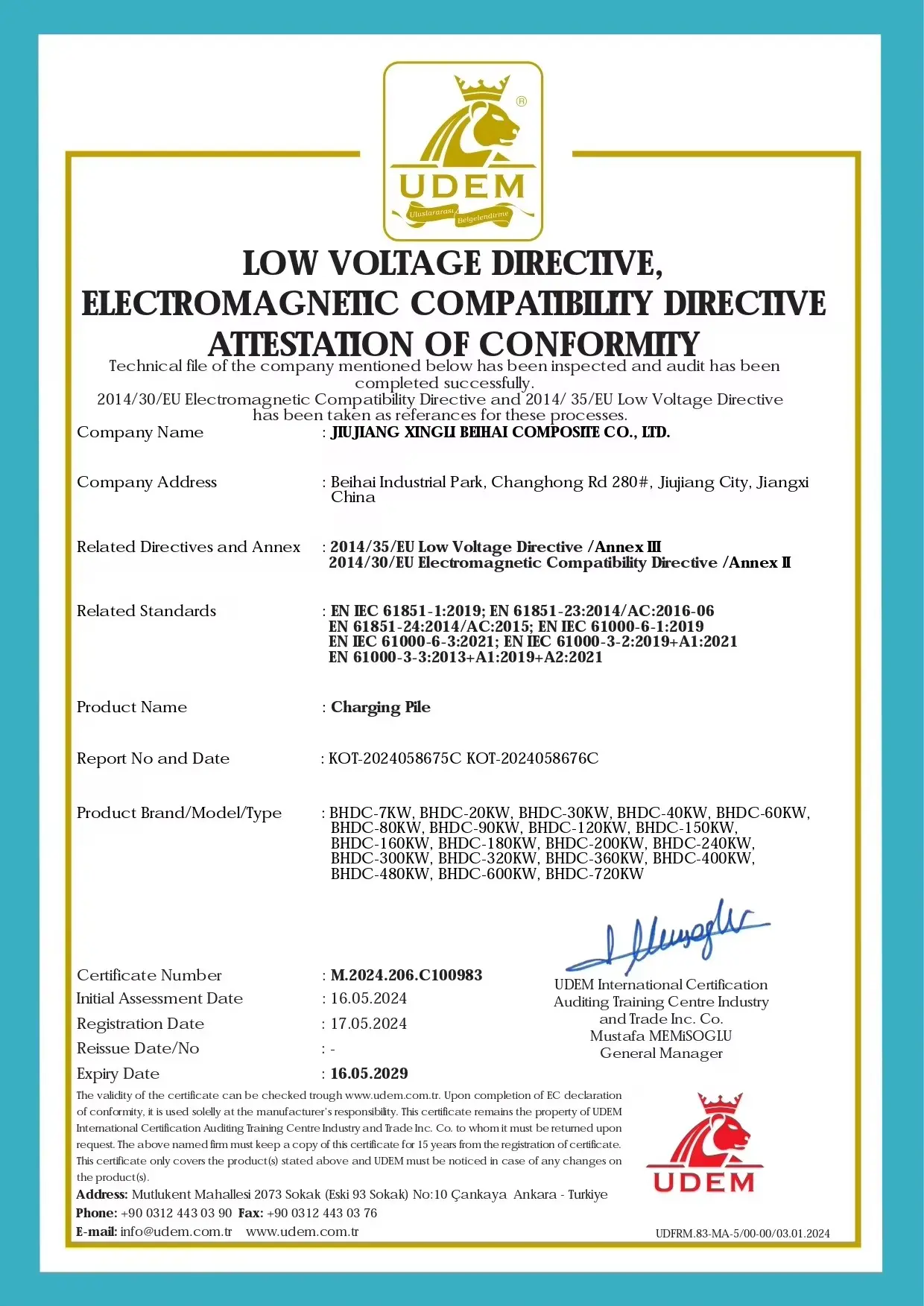
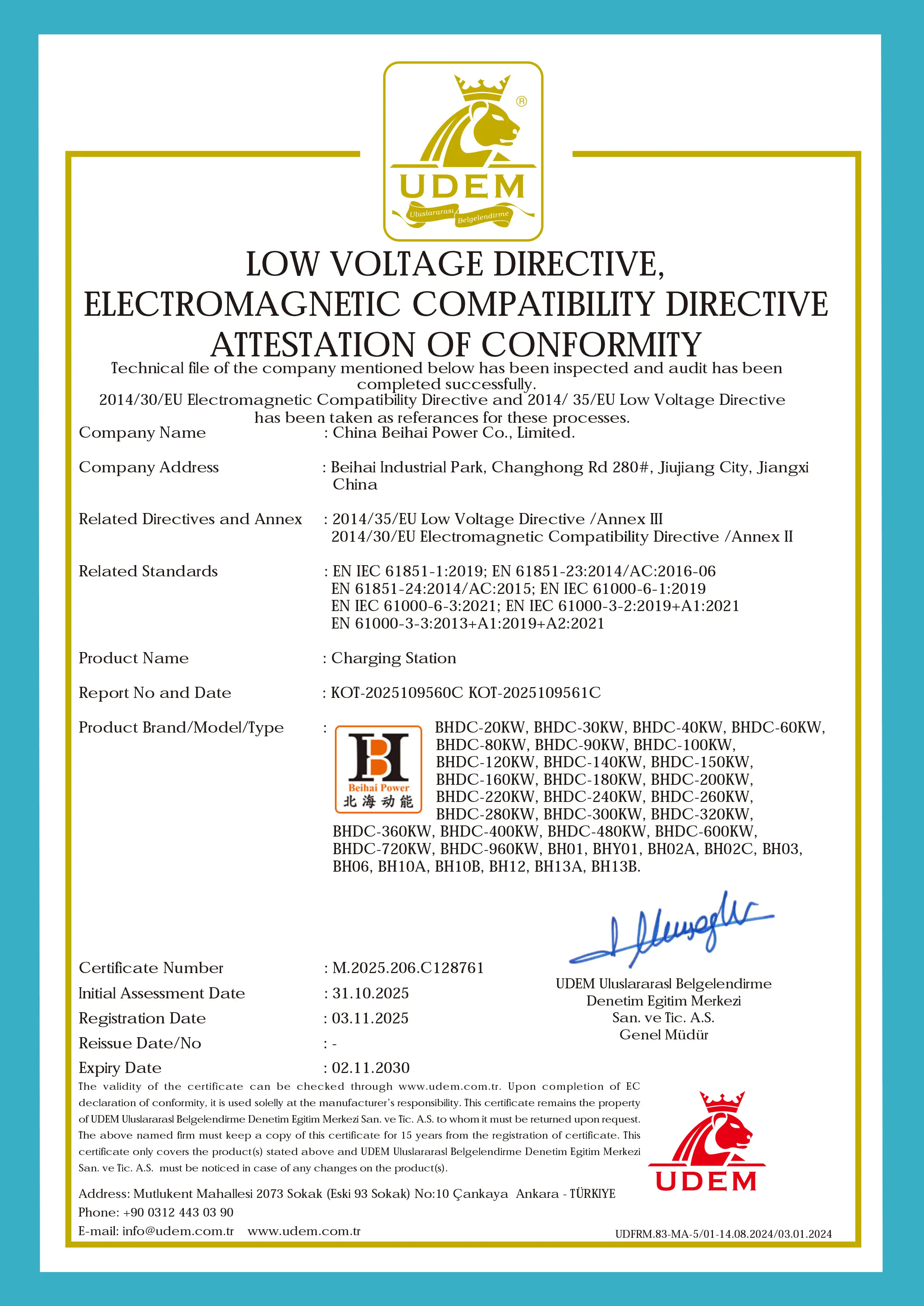
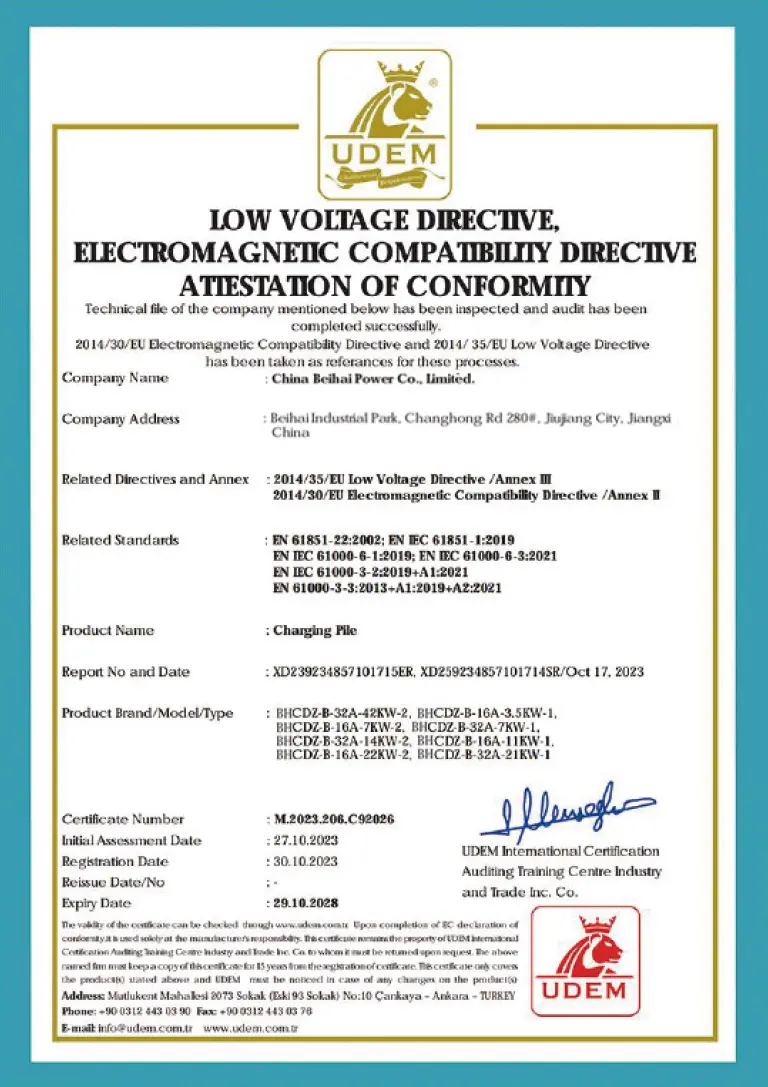

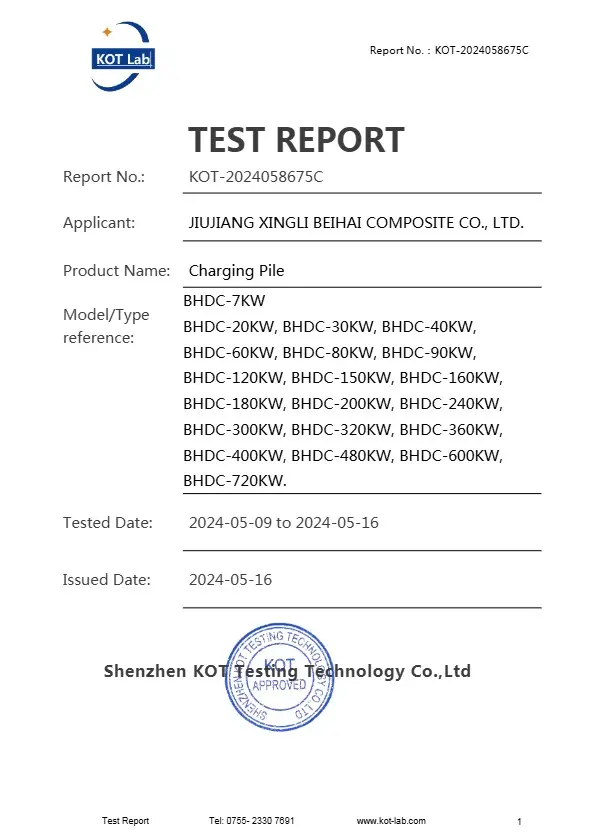
Integrating EV chargers with home ESS (Energy Storage Systems) allows users to buffer solar energy during the day and discharge into the vehicle at night, achieving true carbon neutrality.
For large-scale suppliers, we provide white-label APP and backend solutions, allowing for remote diagnostics, firmware updates (OTA), and monetized public-private charging models.
With chargers becoming IoT devices, our hardware includes encrypted hardware security modules (HSM) to protect user data and prevent grid-side cyber-attacks.
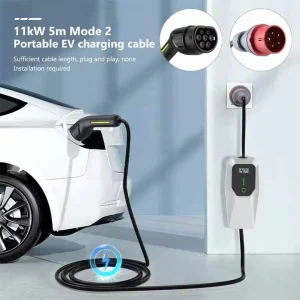
Level 1 chargers use a standard household outlet (110-120V) and are slow. Level 2 chargers require a 208-240V circuit and can charge an EV 5-10 times faster, typically providing 25-60 miles of range per hour of charging.
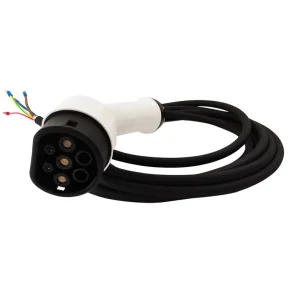
Yes, most China-made 7kW chargers follow universal standards (Type 2 IEC 62196 or Type 1 SAE J1772), making them compatible with Tesla (via adapter), BMW, VW, BYD, and other major brands.
China-based manufacturers like Beihai Power offer a unique combination of high-volume production efficiency, advanced smart features (like App control and DLB), and strict adherence to international safety standards (CE, TUV, UL).
DLB is a smart feature that monitors the total power consumption of the home and adjusts the charging speed of the EV in real-time to prevent the main circuit breaker from tripping when other appliances (like air conditioners) are in use.
Absolutely. We specialize in custom casing designs, software interface localization, and protocol adjustments to meet the specific requirements of global distributors and energy companies.