The global transition toward electrified transportation has moved from "early adoption" to "industrial scale." For enterprise procurement officers and municipal planners, the challenge is no longer just finding a charging pile, but securing a future-proof energy delivery system. As a leading wholesale electric cars charging stations factory, we observe a significant shift in technical requirements: the demand for DC fast-charging (DCFC) is eclipsing standard AC units in commercial sectors due to the need for higher vehicle throughput.
Enterprises today require solutions that address the "Total Cost of Ownership" (TCO). This involves energy management software, load balancing to protect aging grids, and modular hardware that can be upgraded as battery technology evolves. Our factory focus is on Information Gain—providing our clients with the technical data needed to make informed decisions about liquid cooling vs. air cooling, and the benefits of OCPP 1.6J over older protocols.
Beihai Power (China Beihai Power Co., Ltd.) is a specialized manufacturer dedicated to the innovation of DC fast-charging technology and smart AC charging technology. We bridge the gap between complex energy requirements and reliable infrastructure delivery for governments and commercial clients across Central Asia, Southeast Asia, the Middle East, Europe, Africa, South America, and North America.
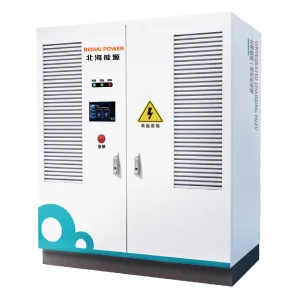
Our core mission is to solve the critical challenges of charging speed, system reliability, and grid integration. By focusing on the performance of our integrated charging modules, we provide high-efficiency power solutions that ensure faster, safer, and more stable energy transfer for large-scale vehicle infrastructure projects.

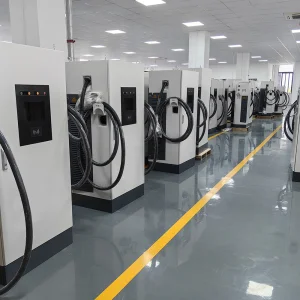
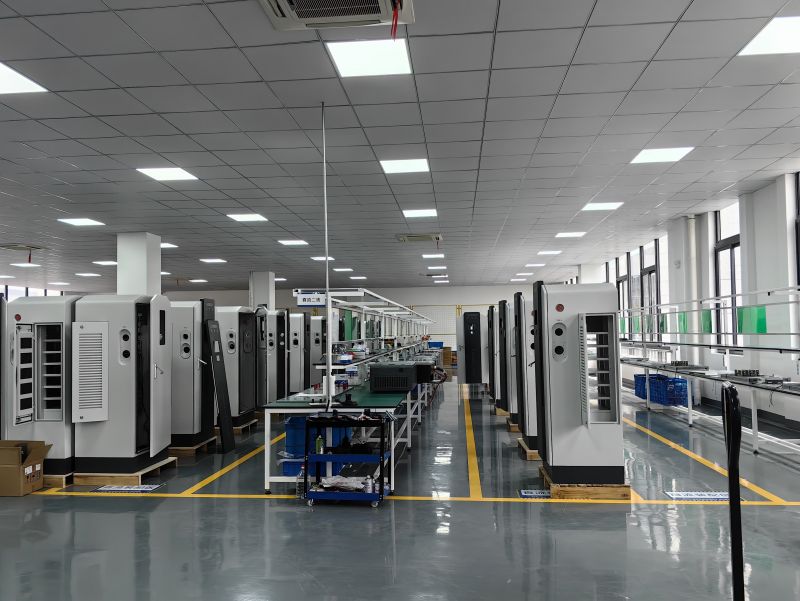
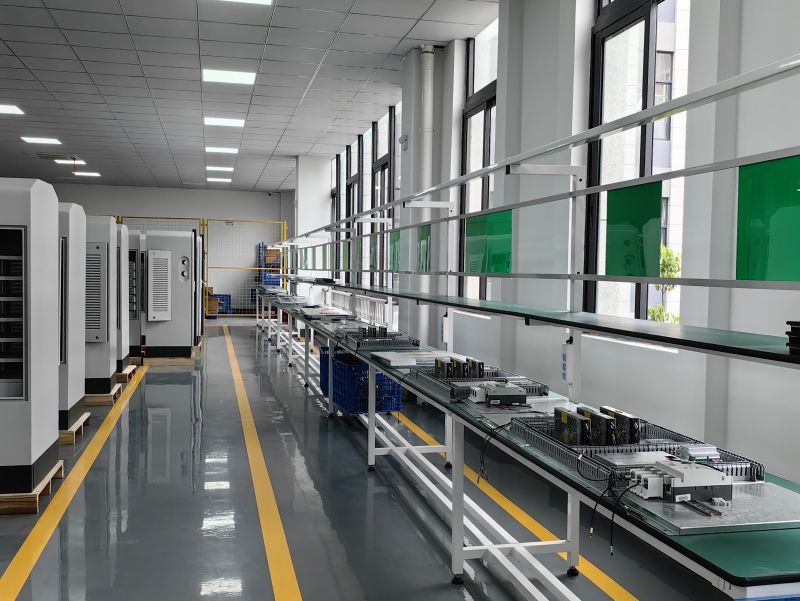
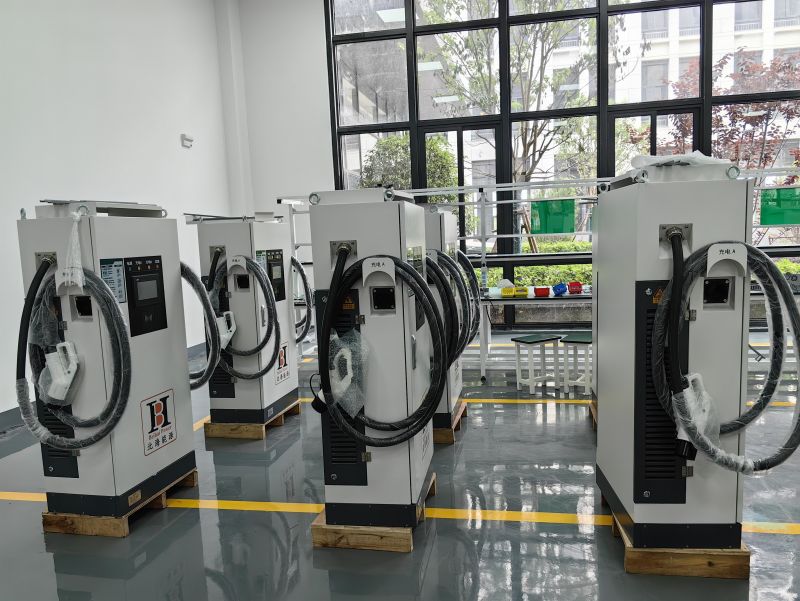
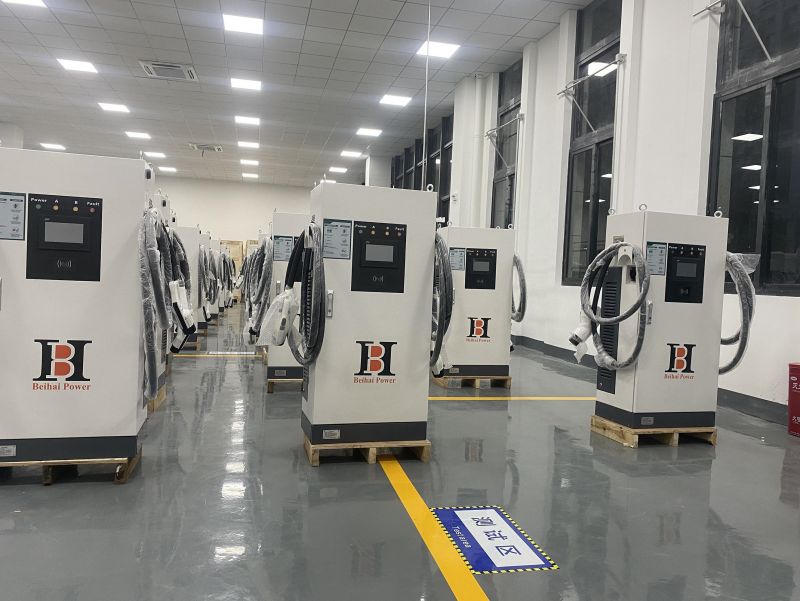
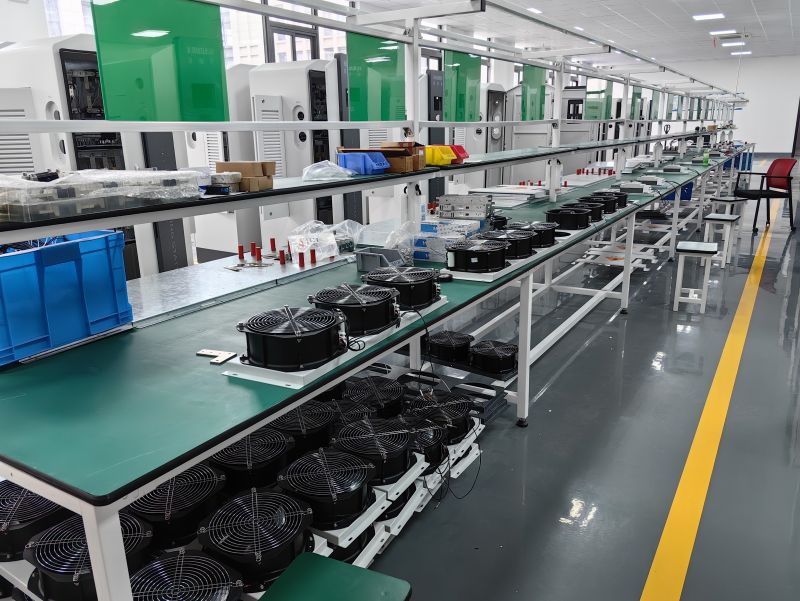
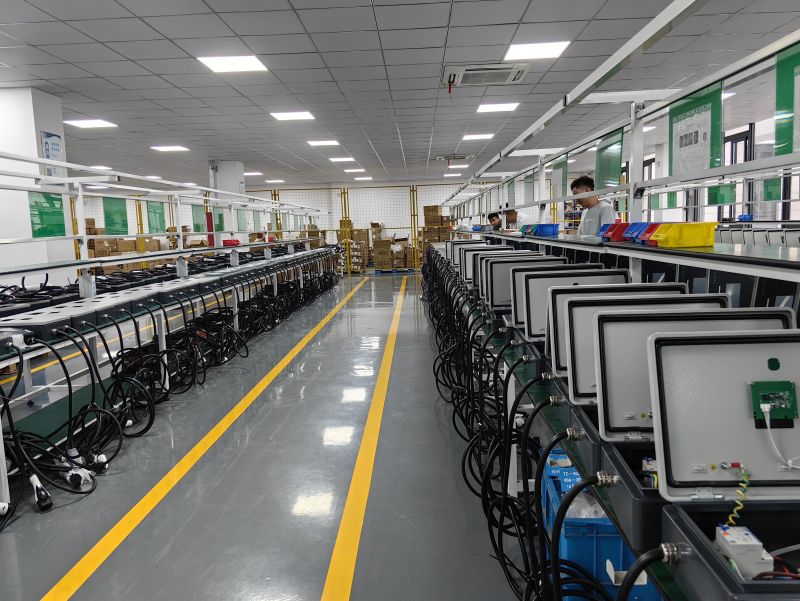
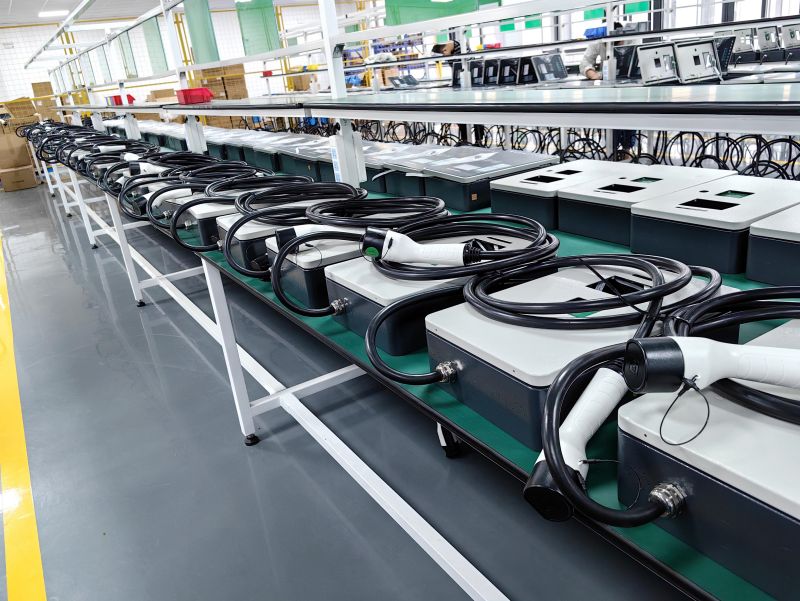
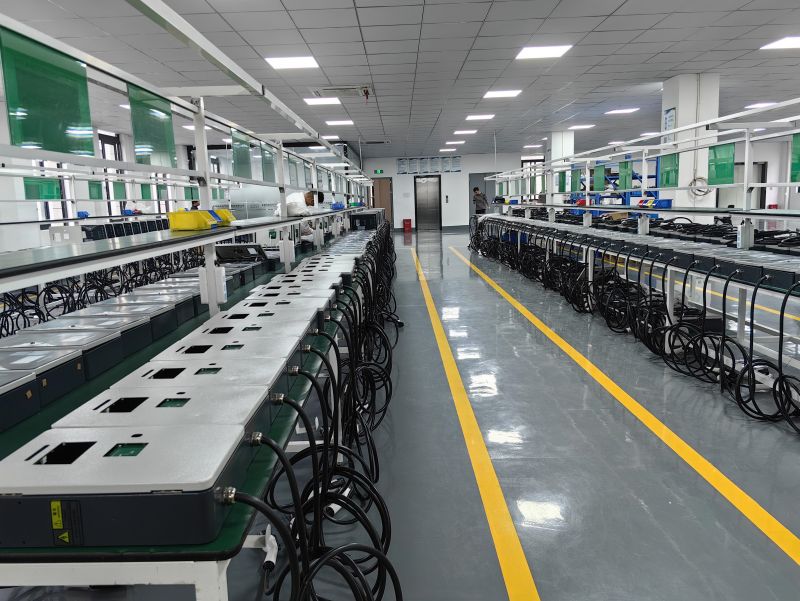
Precision laser cutting of high-grade alloys for structural integrity.
Advanced sheet metal fabrication ensuring IP54/IP55 weather protection.
Integration of thermal management systems and power electronics.
Rigorous Full Unit Functional Testing under extreme load conditions.
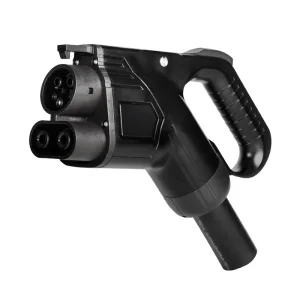
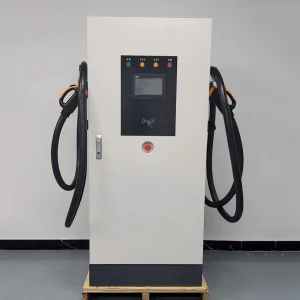
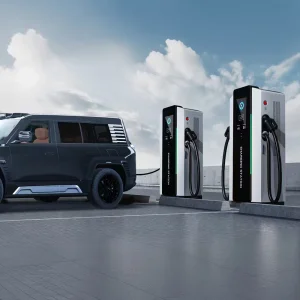
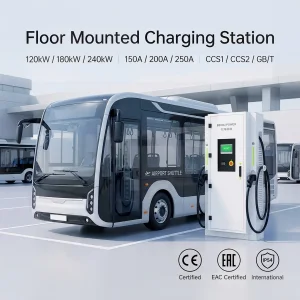
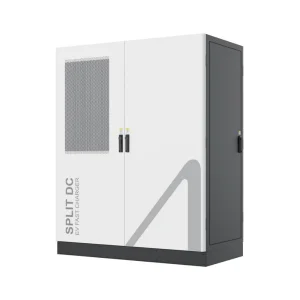
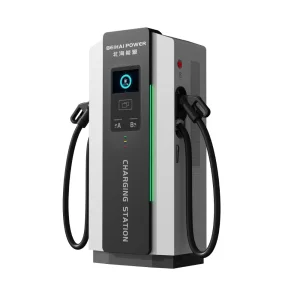
High-utilization 180kW to 480kW stations designed for 24/7 public access, featuring multi-standard connectors (CCS1, CCS2, GB/T, CHAdeMO).
Customized DC charging clusters for electric buses and heavy-duty trucks, optimizing depot charging schedules to reduce peak-load costs.
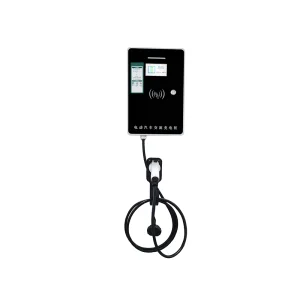
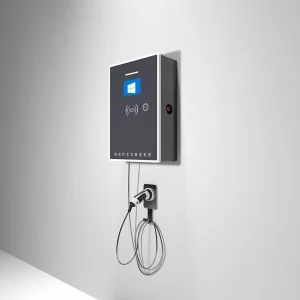
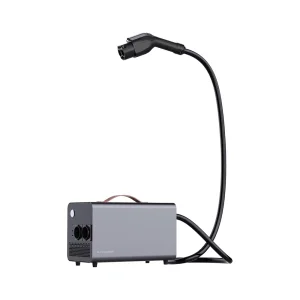
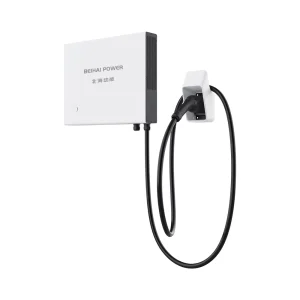
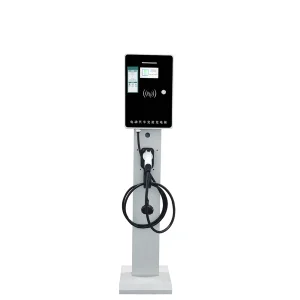
Compact, aesthetic AC and DC units (20kW-40kW) that provide "destination charging," enhancing customer experience and dwell time.
Our R&D focuses on three pillars of technological evolution:
By 2030, we anticipate the "Mega-Watt Charging System" (MCS) will become the standard for heavy industry. Our factory is already prototyping modular architectures capable of scaling into the MW range, ensuring our wholesale partners remain at the cutting edge of the energy revolution.
Deploying EV infrastructure across different continents requires deep knowledge of local regulations. Beihai Power ensures all wholesale products meet the stringent requirements of international markets:
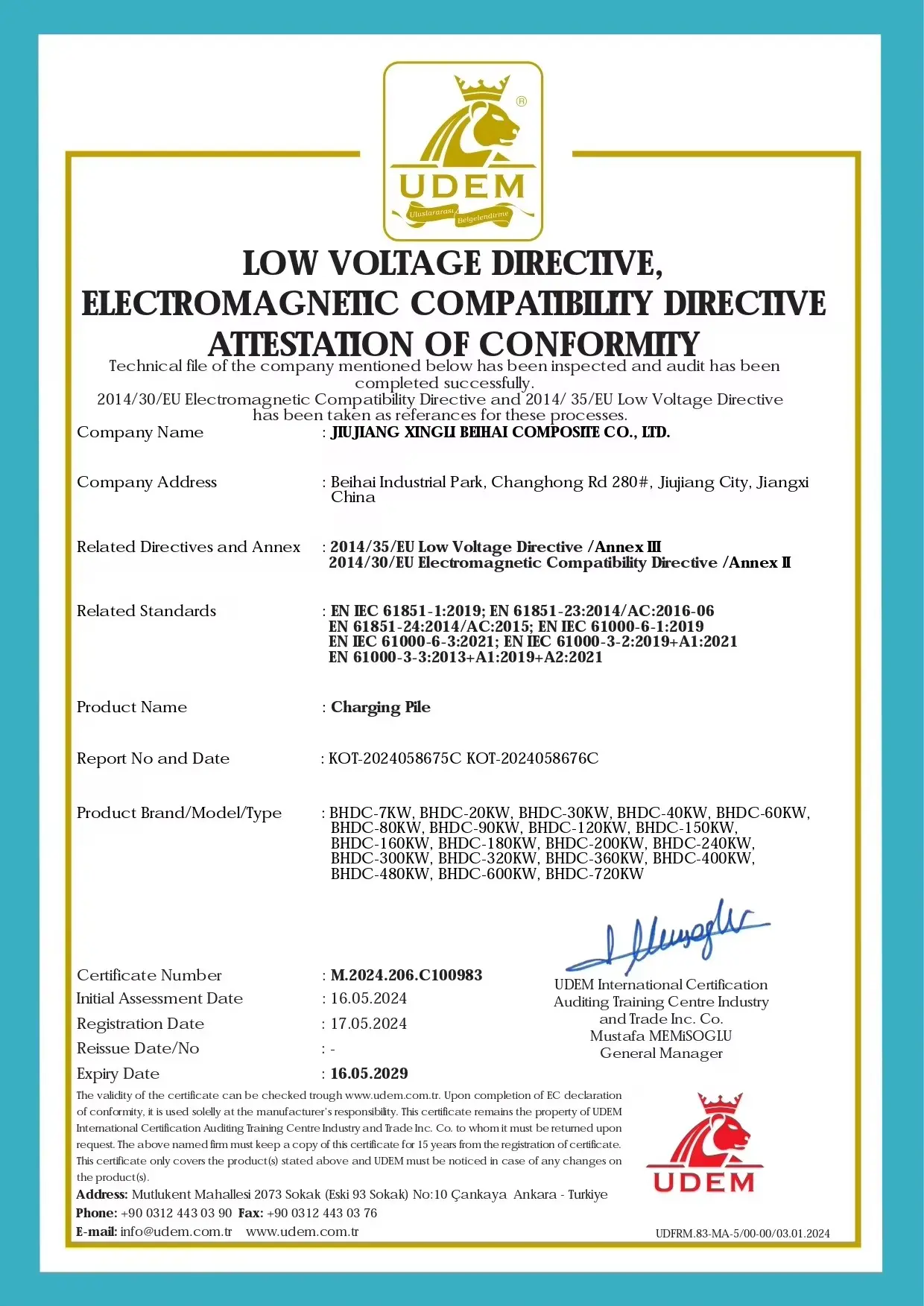
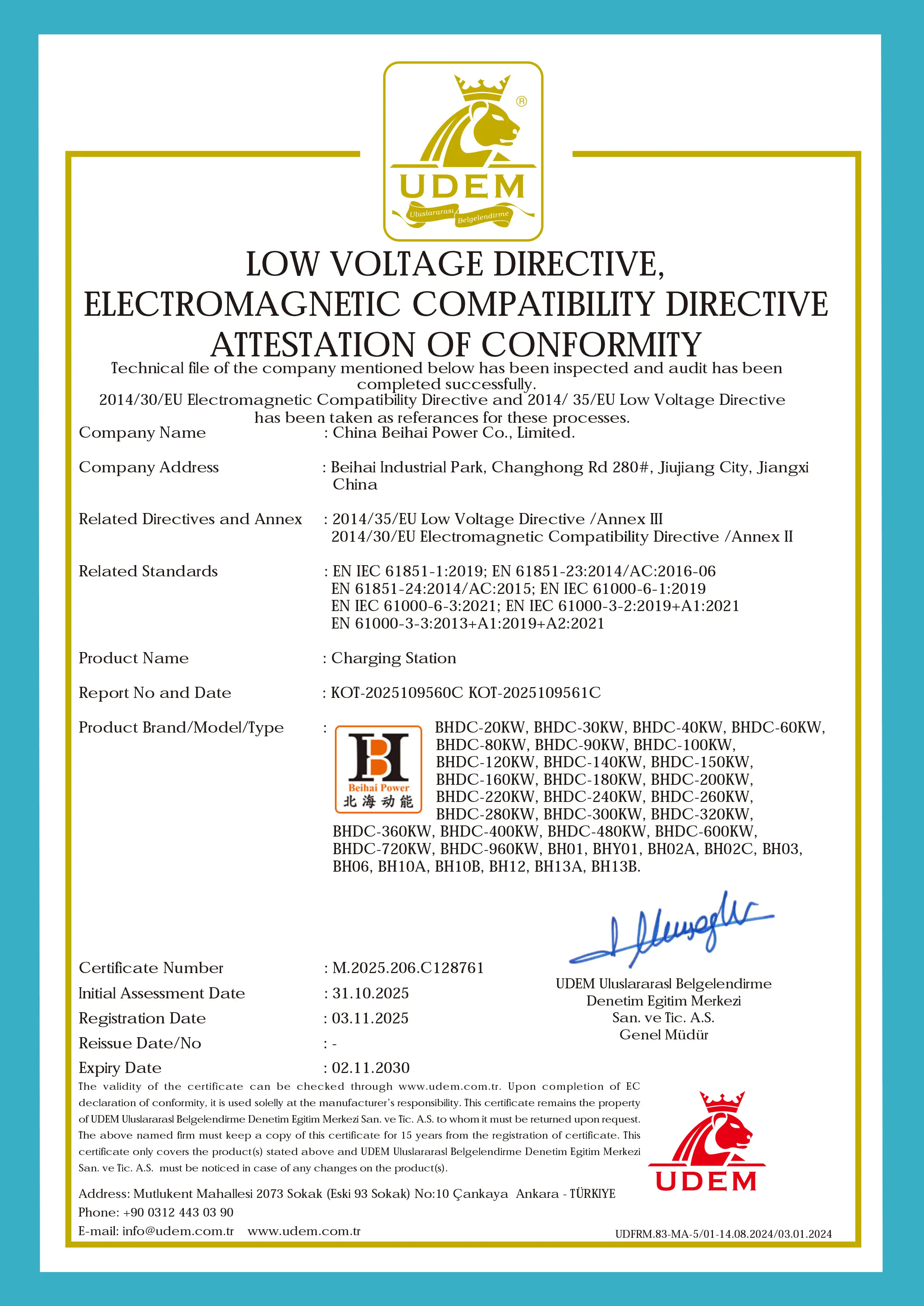
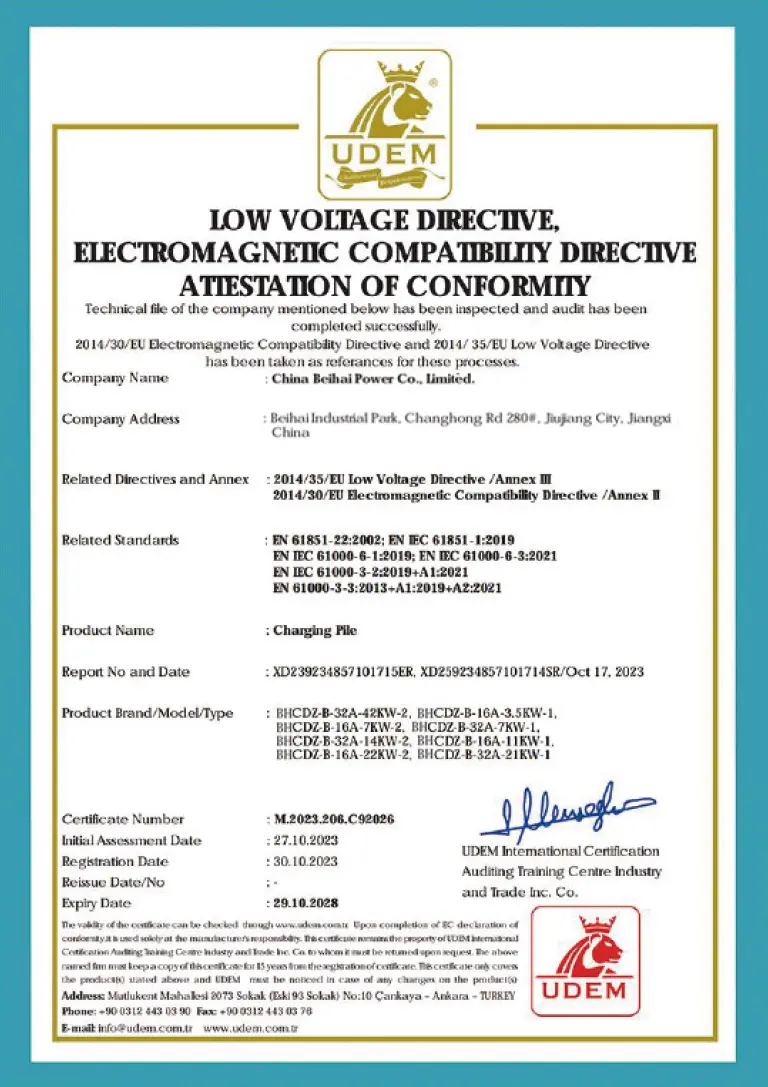
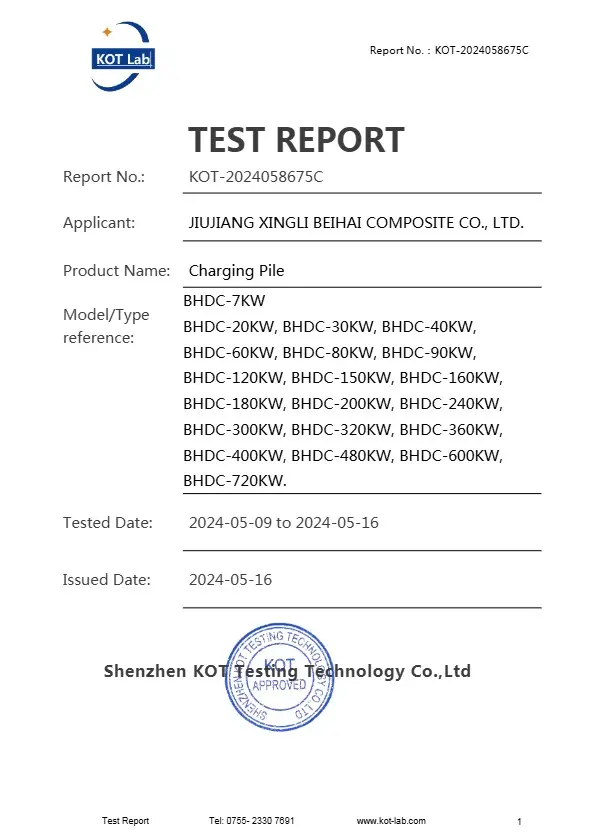
Our products are CE, TUV, and UL certified, ensuring safety and performance standards in Europe and North America.
Fully compliant with OCPP 1.6J and ready for OCPP 2.0.1, allowing seamless integration with any backend management software.
We provide localized technical documentation, remote diagnostic tools, and spare parts kits to ensure minimal downtime.