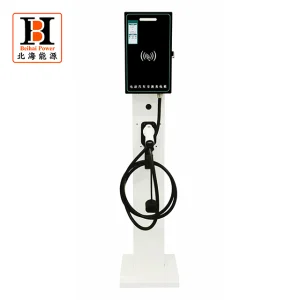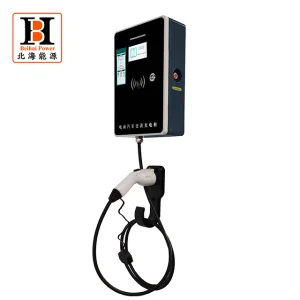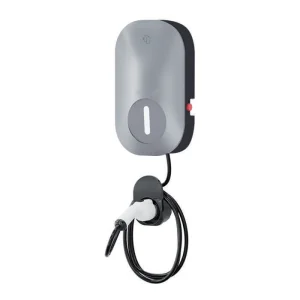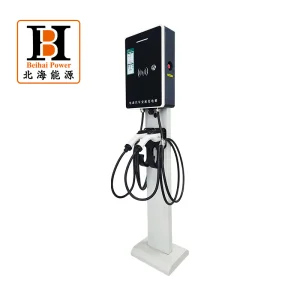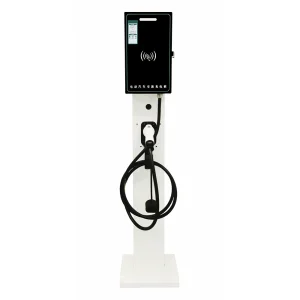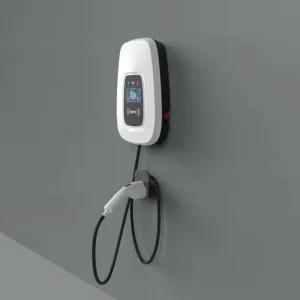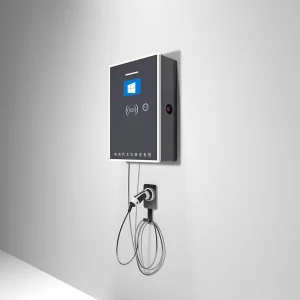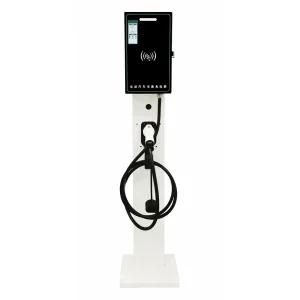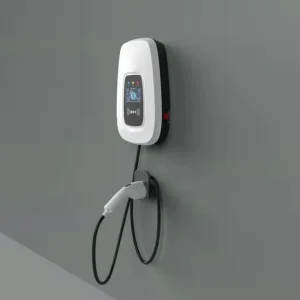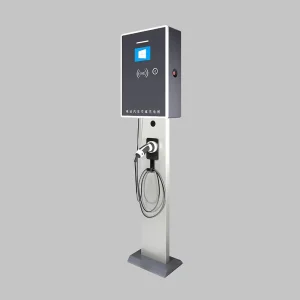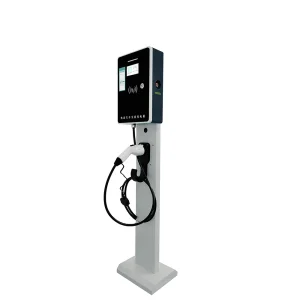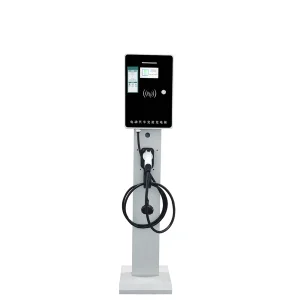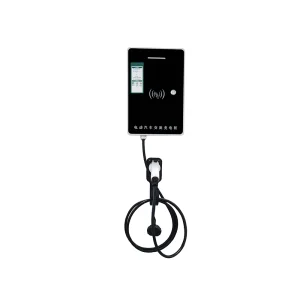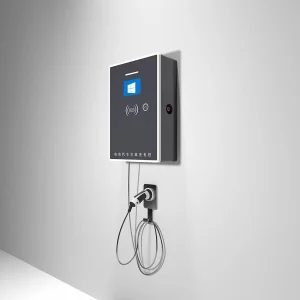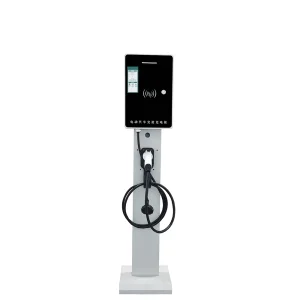
Kenya is currently emerging as a continental leader in the adoption of electric vehicles (EVs) in Sub-Saharan Africa. Driven by a National E-mobility Policy and the dominance of renewable energy—with over 90% of the national grid powered by geothermal, hydro, wind, and solar—the demand for robust AC charging stations is skyrocketing. For manufacturers and suppliers, the Kenyan market presents a unique convergence of high energy costs (fuel) vs. affordable renewable electricity, making the Total Cost of Ownership (TCO) for EVs significantly lower than traditional internal combustion engines.
The industrial landscape in cities like Nairobi and Mombasa is shifting. Commercial enterprises, real estate developers, and logistic hubs are now integrating AC Level 2 charging infrastructure as a standard amenity. However, the Kenyan market requires more than just hardware; it demands resilience against voltage fluctuations and integration with local payment systems like M-Pesa.
In high-density residential areas in Nairobi, grid stability is paramount. Our chargers feature dynamic load balancing (DLB), ensuring that multiple vehicles can charge simultaneously without overloading the local transformer.
Open Charge Point Protocol (OCPP) is the backbone of interoperability. Our stations allow Kenyan operators to switch between management back-ends without replacing hardware, ensuring long-term investment security.
Kenya’s coastal climate in Mombasa requires superior anti-corrosion protection. Our units utilize automotive-grade sheet metal and UV-resistant polymers with IP65 and IK10 ratings to withstand salt-mist and high temperatures.
Beihai Power is a specialized manufacturer dedicated to the innovation of DC fast-charging technology and smart AC charging technology. We bridge the gap between complex energy requirements and reliable infrastructure delivery for governments and commercial clients across Central Asia, Southeast Asia, the Middle East, Europe, Africa, South America, and North America.
Our core mission is to solve the critical challenges of charging speed, system reliability, and grid integration. By focusing on the performance of our integrated charging modules, we provide high-efficiency power solutions that ensure faster, safer, and more stable energy transfer for large-scale vehicle infrastructure projects.

The efficiency of the Chinese EV supply chain is unparalleled. For Kenyan distributors, partnering with a China-based factory like Beihai Power offers "Information Gain" through:
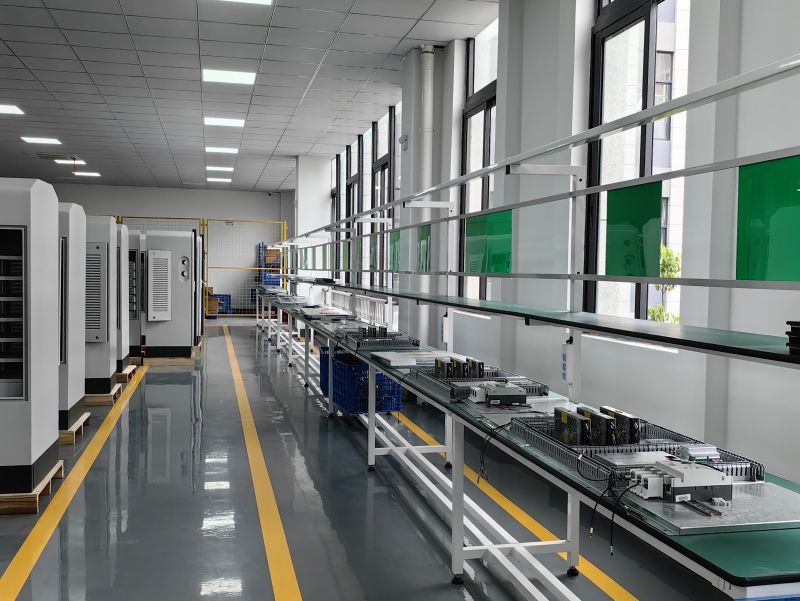
High-precision laser cutting for chassis integrity.
Structural durability for industrial environments.
Precision integration of core power electronics.
Full unit functional testing (FVT) and electrical safety audits.
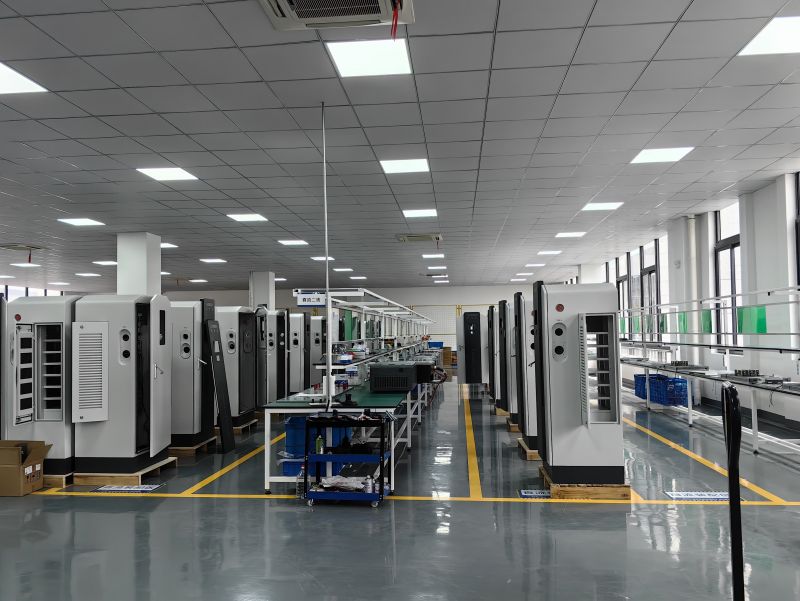
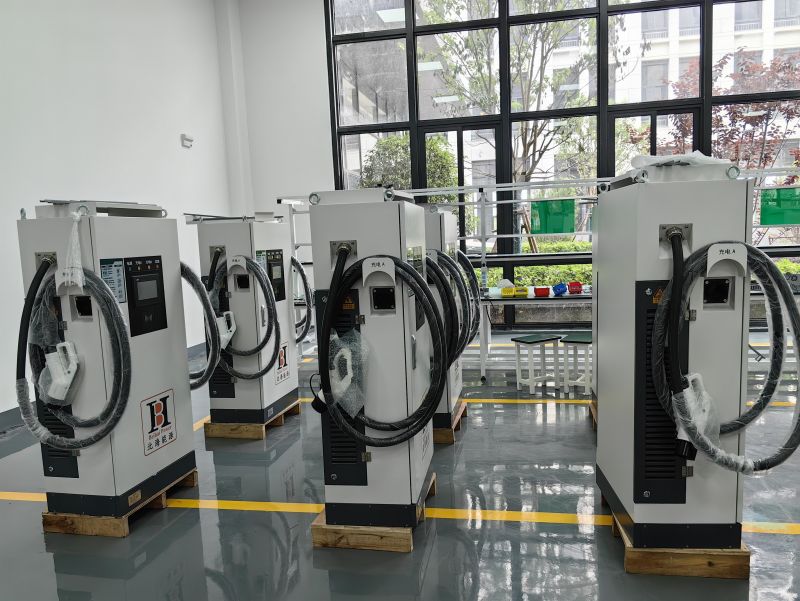
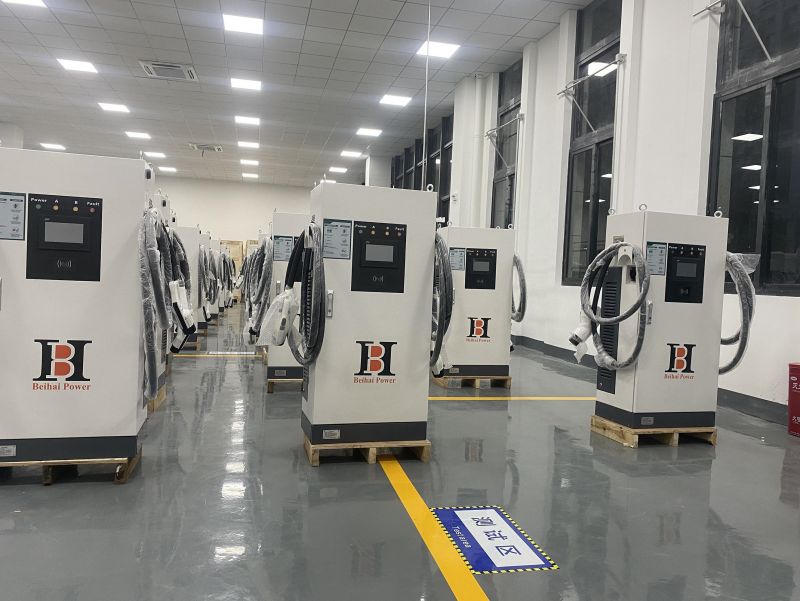
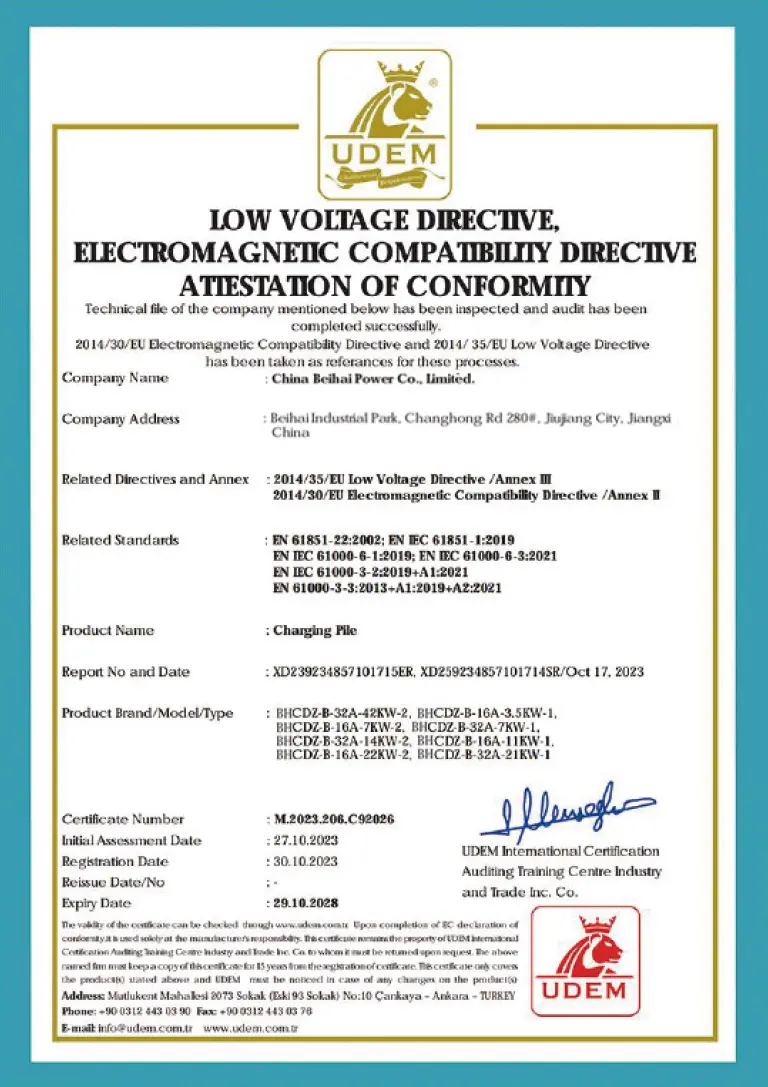
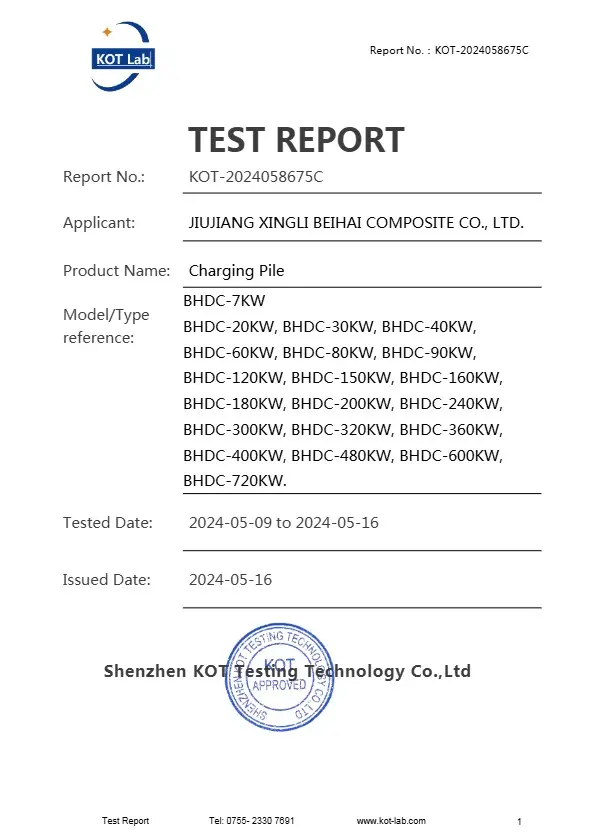
Navigating international standards like IEC 61851-1 and CE certifications can be daunting for Kenyan importers. Beihai Power ensures every unit shipped to the Kenya Bureau of Standards (KEBS) requirements meets or exceeds global benchmarks. Our hardware is engineered for universal compatibility with vehicle platforms from Tesla, BYD, Nissan, and local pioneers like Roam and BasiGo.
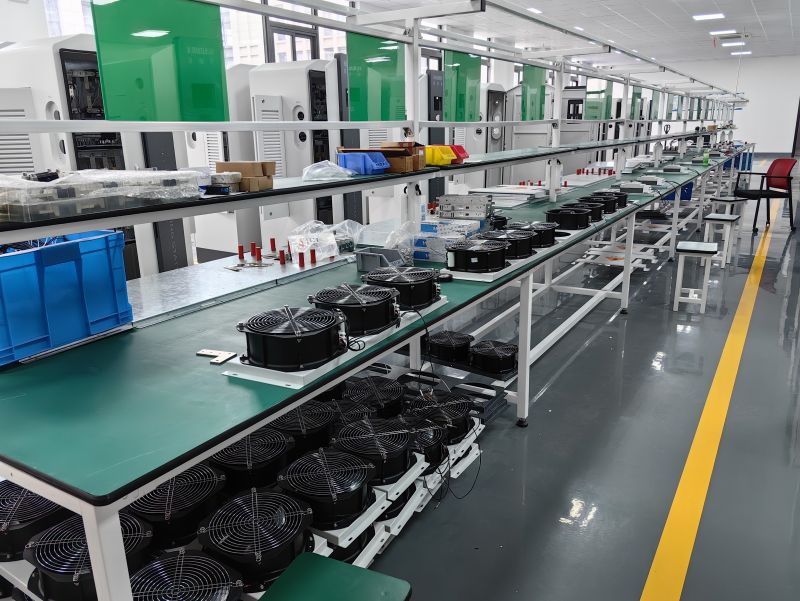
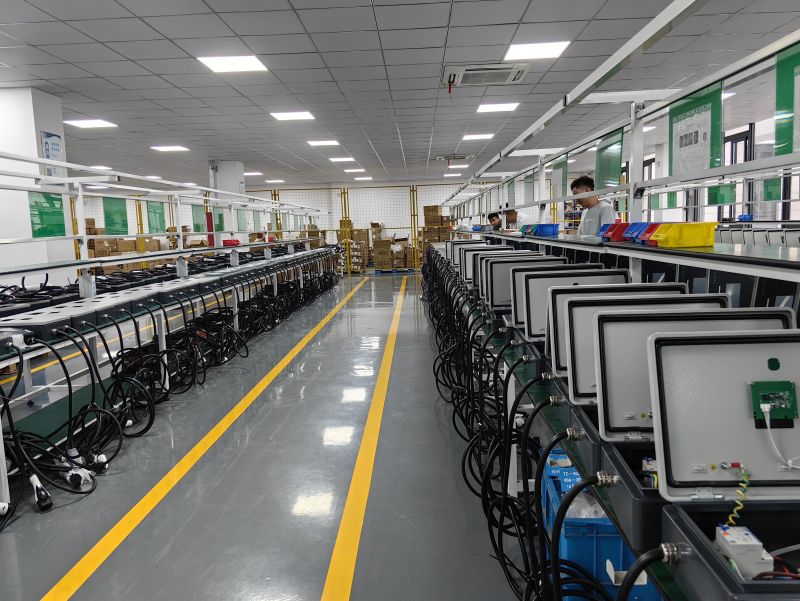
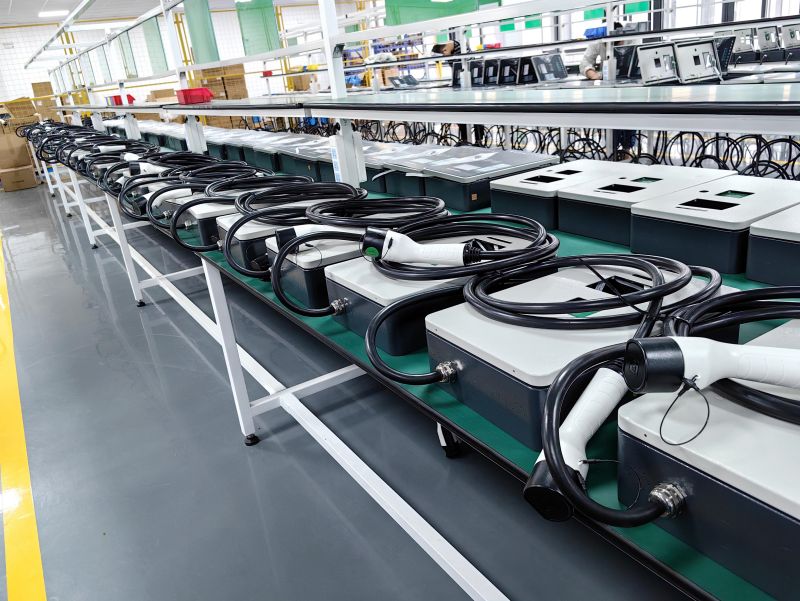
We have first-class R&D personnel and high-quality management personnel, capable of manufacturing various AC and DC charging stations to meet client needs. From the production line to the user's daily process, we implement full-track technical services.
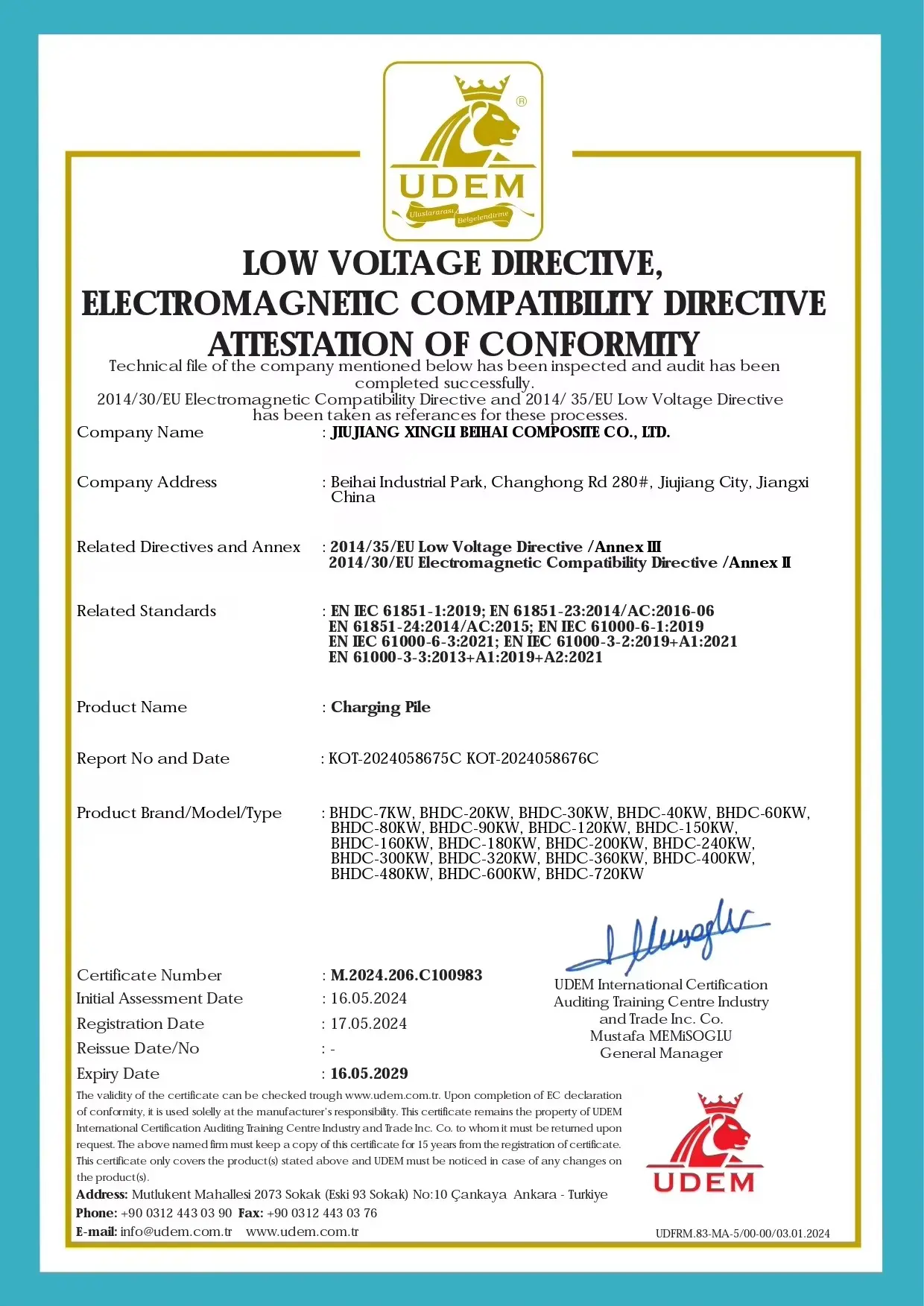
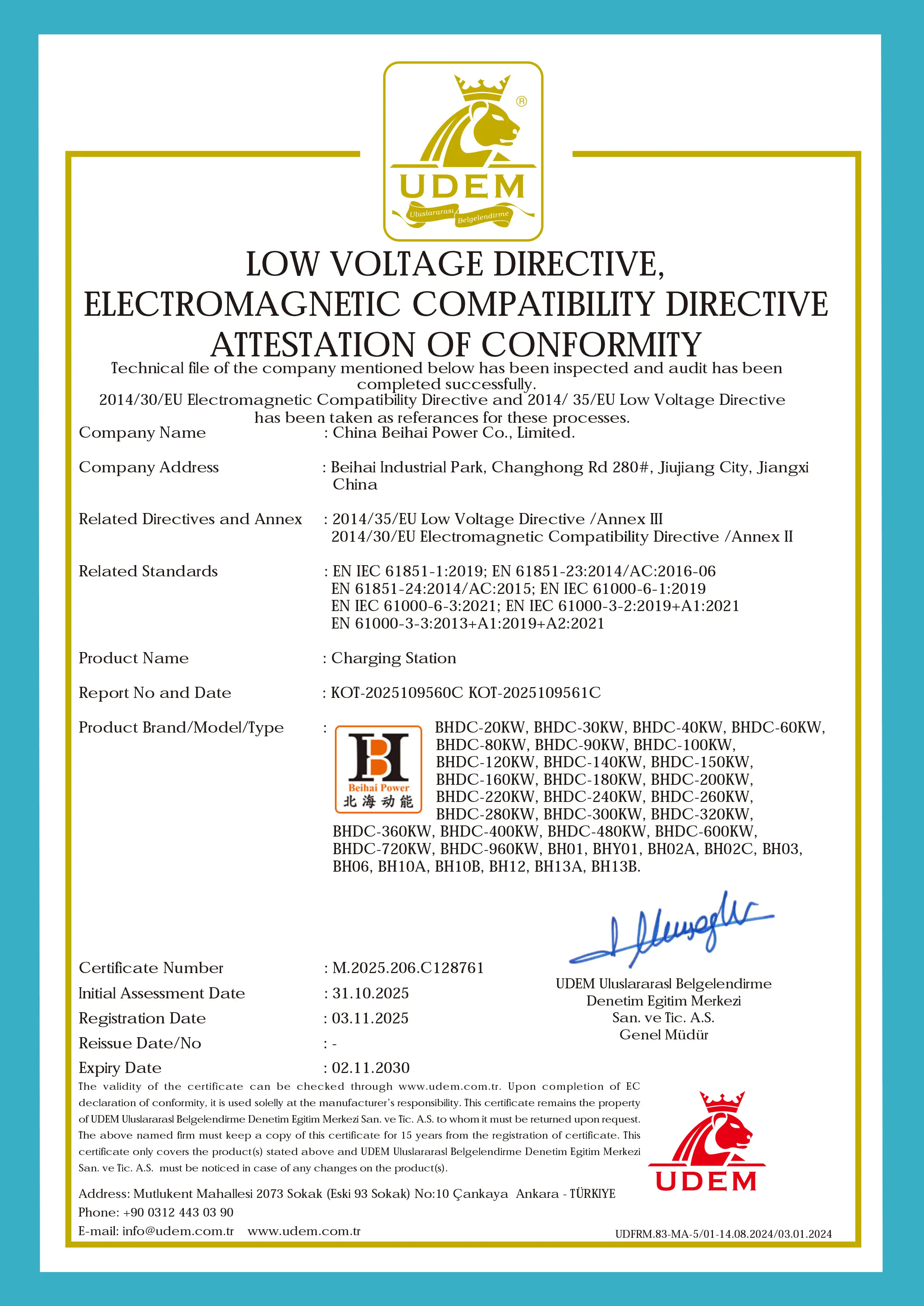

Can these AC chargers be integrated with M-Pesa in Kenya?
Yes. Our OCPP-compliant firmware allows for seamless API integration with Kenyan payment gateways like M-Pesa, enabling commercial operators to monetize their charging stations easily.
What is the lead time for bulk orders to Nairobi or Mombasa?
Typically, production takes 15-25 days depending on customization, with sea freight to Mombasa Port taking an additional 20-30 days. We also offer air freight for urgent sample batches.
Do you provide local technical support in Kenya?
We provide 24/7 remote technical support and comprehensive installation manuals. We also partner with local Kenyan electrical engineering firms to provide on-ground commissioning services.
Are your chargers compatible with used EV imports from Japan or UK?
Absolutely. We provide both Type 1 (J1772) and Type 2 (IEC 62196) configurations to match the diverse range of EV imports common in the Kenyan market.