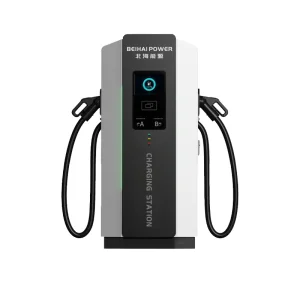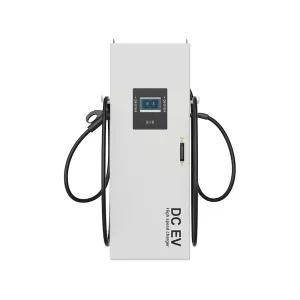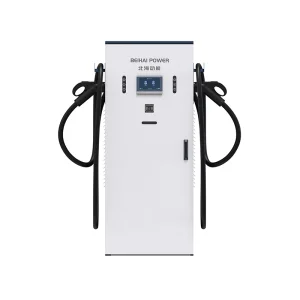
High-capacity infrastructure solutions adapted to localized modern distribution networks and commercial storage applications.
Hungary is undergoing an unprecedented transition within its national energy landscape. Driven by the European Green Deal and a national mandate to scale up photovoltaic (PV) installations, the country's solar capacity has expanded drastically. However, this intermittent clean power surge presents immense challenges to the local transmission system operator (TSO), MAVIR. Grid congestion, high balancing costs, and strict connection regulations for new renewable installations have turned Energy Storage Systems (BESS) into a necessity for commercial, industrial, and utility entities across Hungary.
As the Hungarian government rolls out targeted subsidy programs like the Napenergia Plusz Program and substantial support packages for industrial grid-scale storage, utility companies and private enterprises are actively looking for reliable manufacturing partners. The focus has moved past basic hardware procurement to sourcing intelligent, liquid-cooled, high-cycle lifecycle BESS architectures that can provide ancillary services, frequency response (FCR/aFRR), and reliable peak-shaving performance under European grid codes.
Sourcing from tier-1 Chinese factories like Beihai Power provides a critical competitive edge for project developers in Budapest, Debrecen, Miskolc, and across Central Europe:
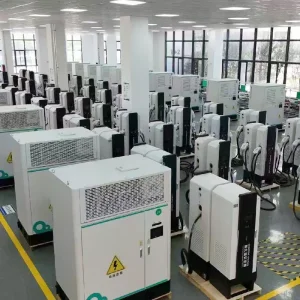
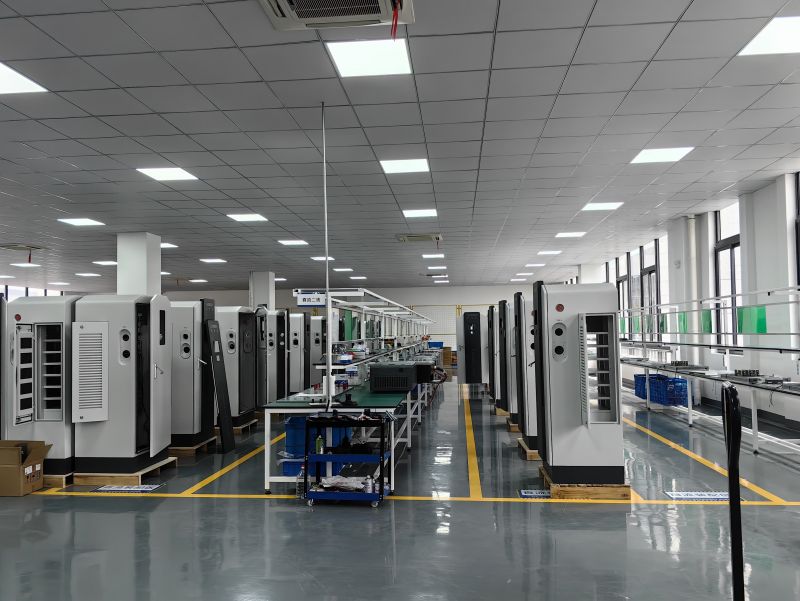
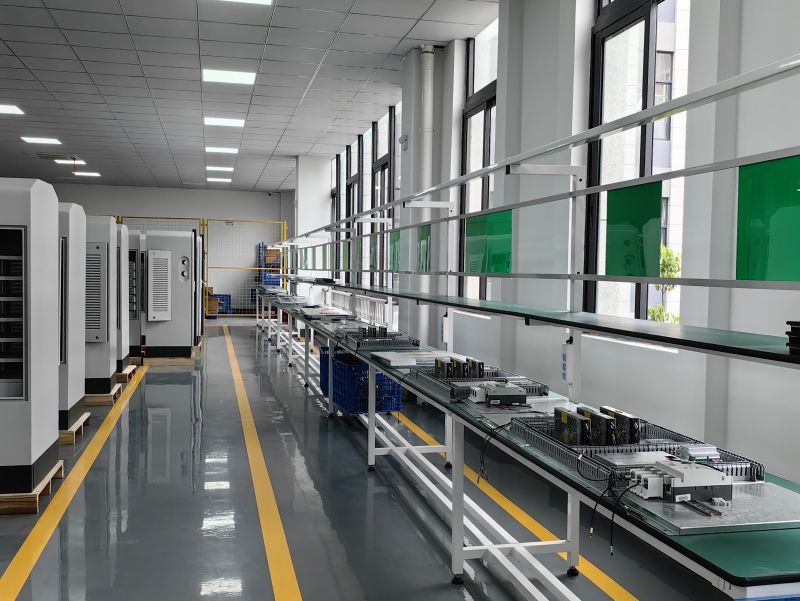
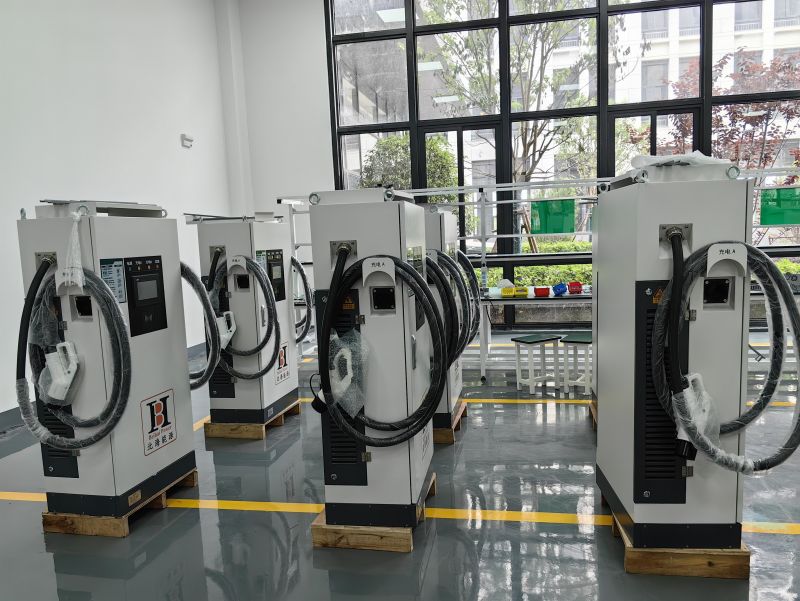
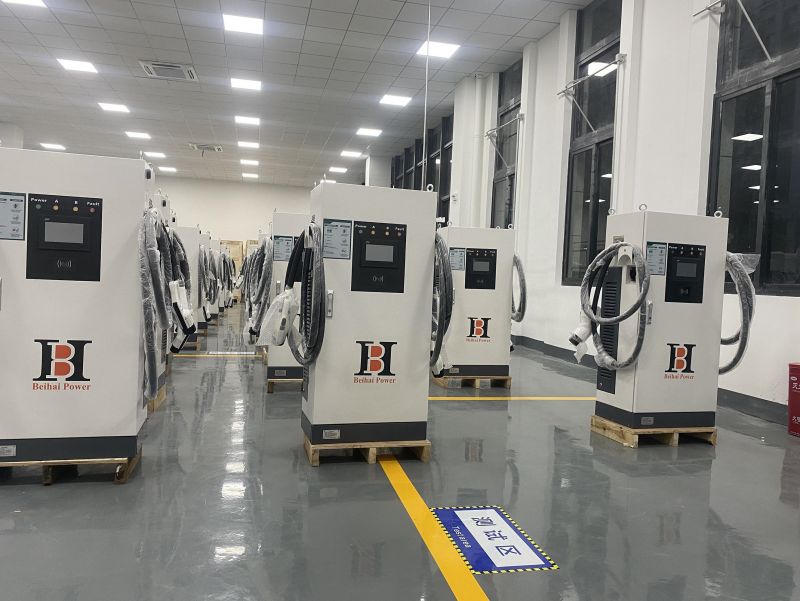
Every unit undergoes strict manufacturing steps to meet European CE, TUV, and local Hungarian distribution safety specifications.
Automated material laser cutting and advanced sheet metal fabrication build high-IP rated enclosures capable of handling harsh outdoor winter and summer environments in Hungary.
Precise cleanroom integration of cells, dynamic liquid cooling loops, high-voltage busbars, and robust wiring setups handled by specialized industrial technicians.
Rigorous multi-point testing protocols including insulated resistance validation, load thermal mapping, and simulated European grid disturbance evaluations.
Max Output Architecture
European Standard Compliant
High Environmental Protection
Factory Monitored Quality
Hungary is quickly growing into Europe’s leading electromobility industrial center, hosting massive EV gigafactories and premium German automotive assembly sites in Debrecen, Győr, and Kecskemét. These massive industrial hubs place immense power loads on regional grids. Our containerized BESS installations provide heavy-duty peak-shaving, dynamic load shifting, and high-purity power quality enforcement to prevent expensive downtime in automated assembly lines.
New regulations from the Hungarian Energy and Public Utility Regulatory Authority (MEKH) heavily incentivize or explicitly require on-site energy storage for commercial solar arrays over a certain megawatt threshold. Our integrated outdoor battery solutions allow commercial business parks and large logistics installations to store midday solar surpluses, avoiding negative feed-in tariff penalties while unlocking cheap overnight self-consumption.
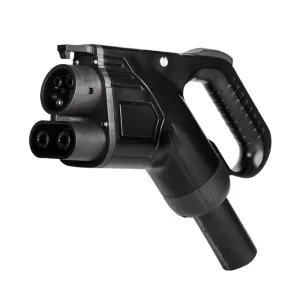
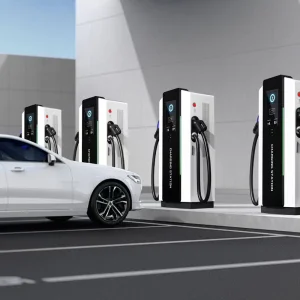
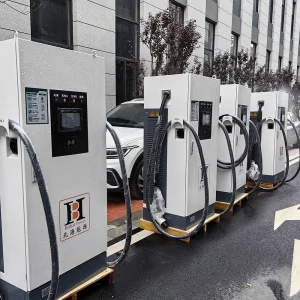
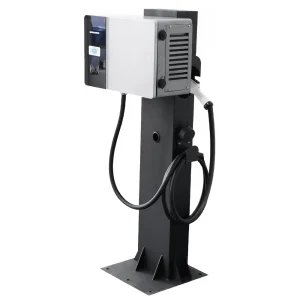
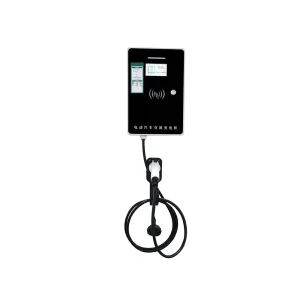
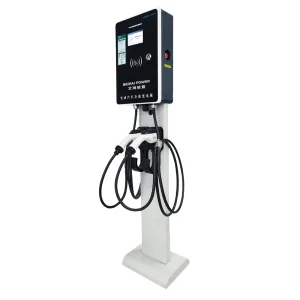
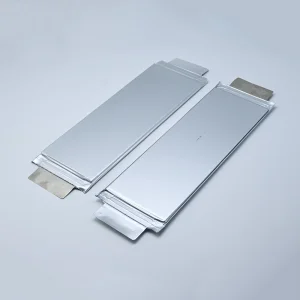
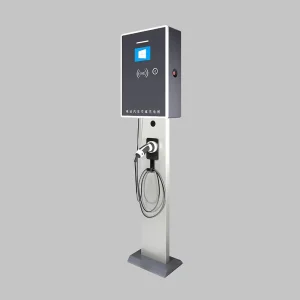
At Beihai Power (China Beihai Power Co., Ltd.), we specialize in handling high-volume government and enterprise tenders. We recognize that international purchasing directors require deeply customized integrations. Whether you need integrated mobile EV fast-charging units for fleet operations in Budapest, specific dual-gun CCS2/GBT custom distribution units, or specialized sub-zero pouch cell configurations for extreme applications, our engineering teams provide comprehensive technical development from initial inquiry to final localized commissioning.

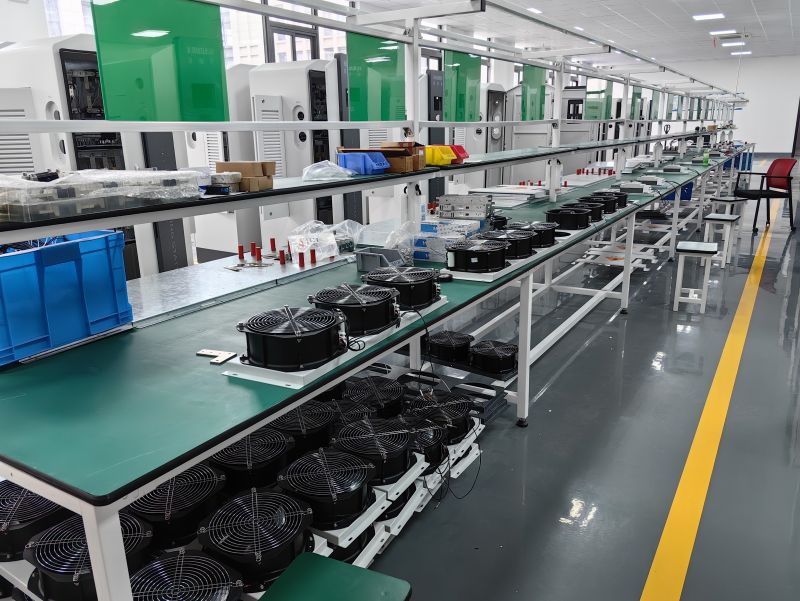
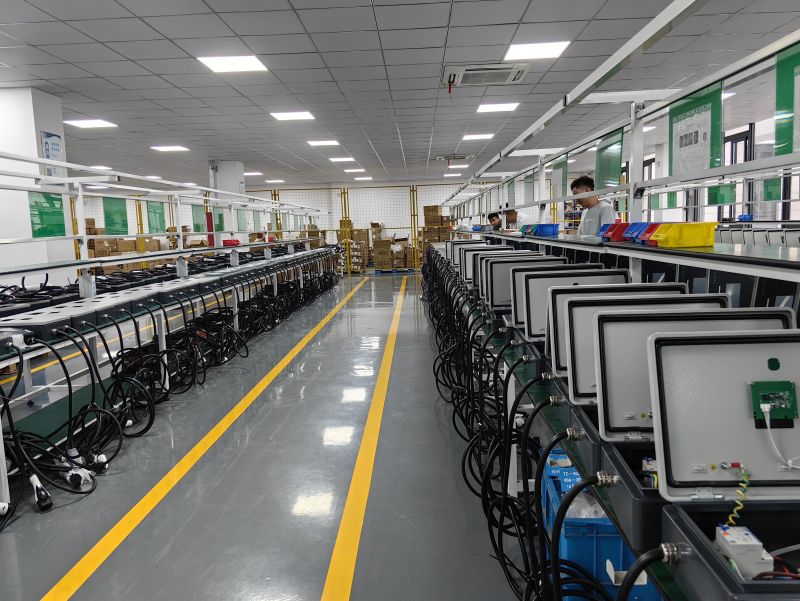
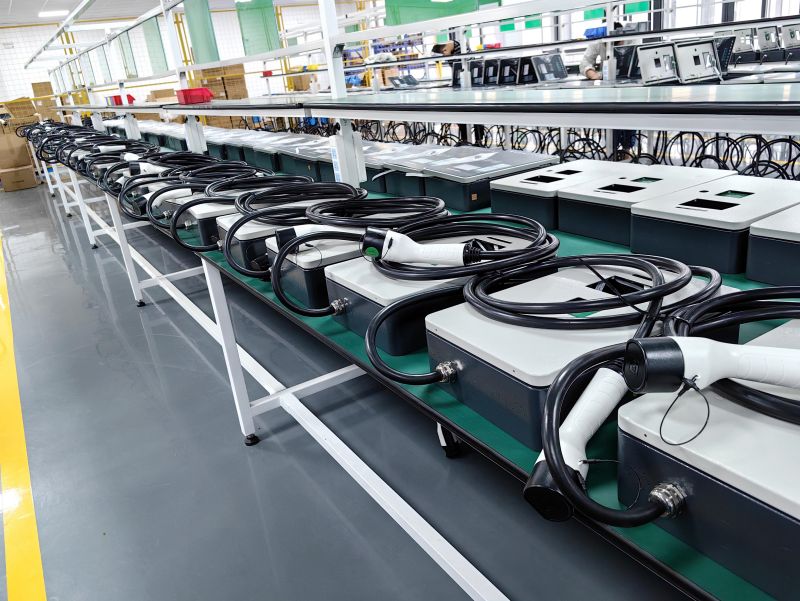
Our systems fully comply with European electrical directives, safety standards, and environmental requirements.
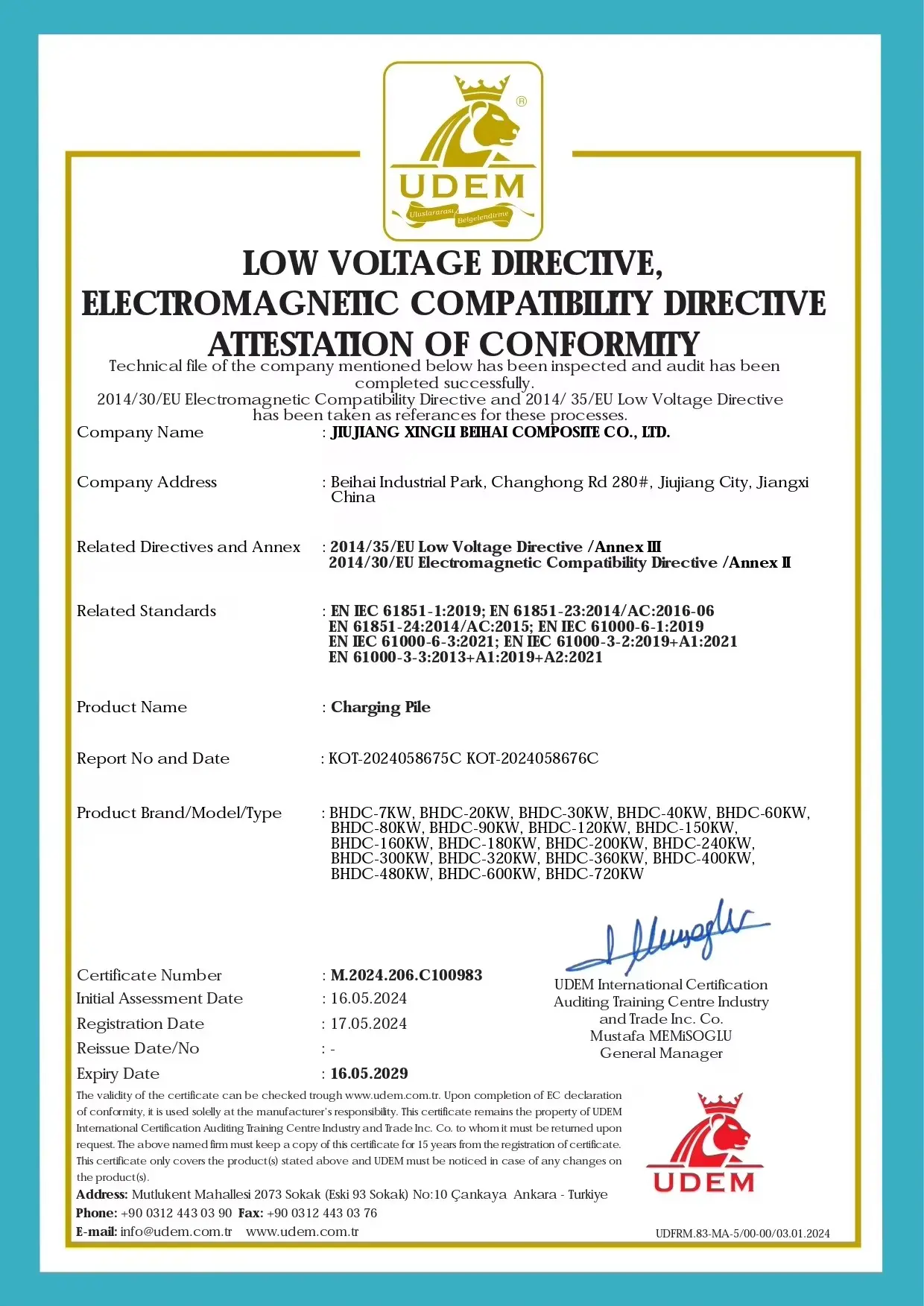
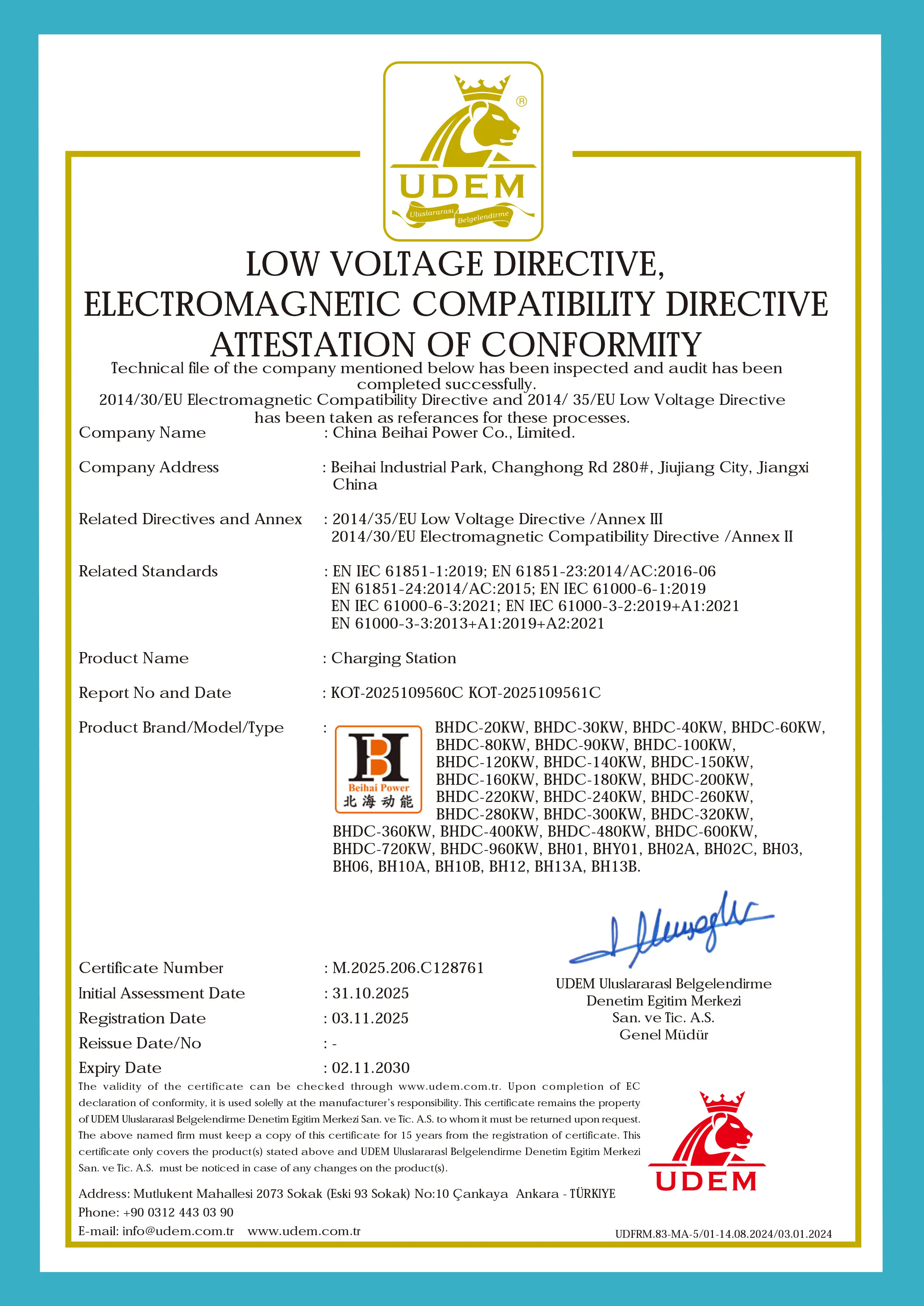
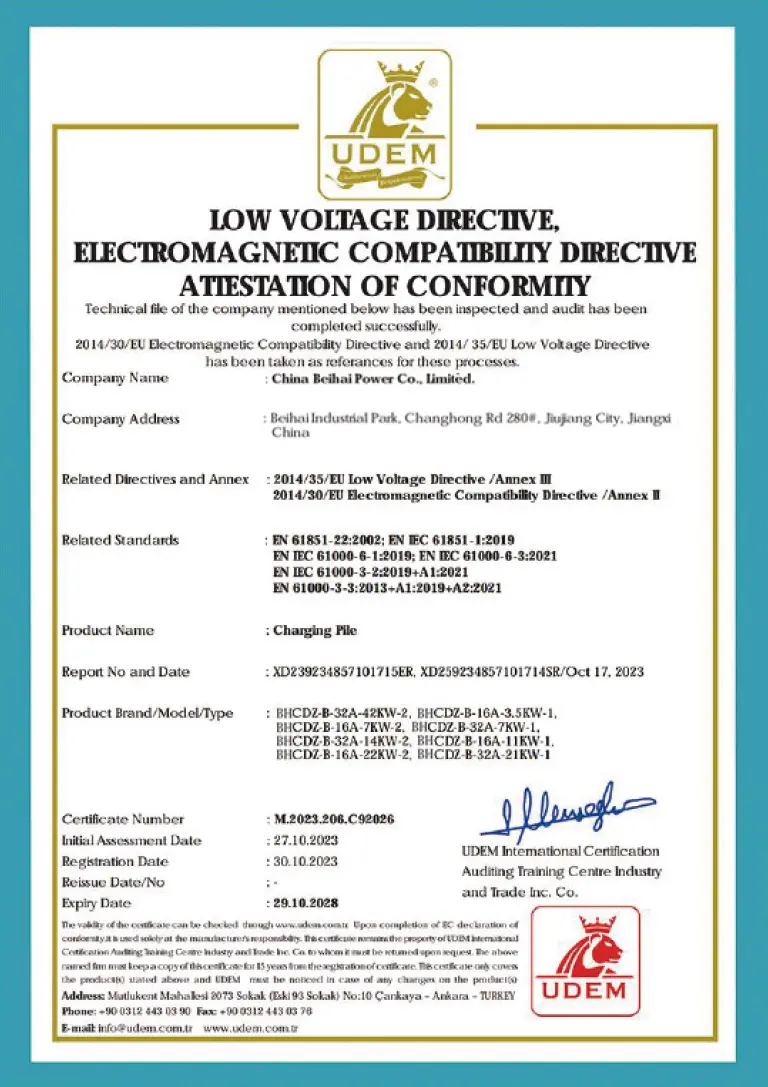

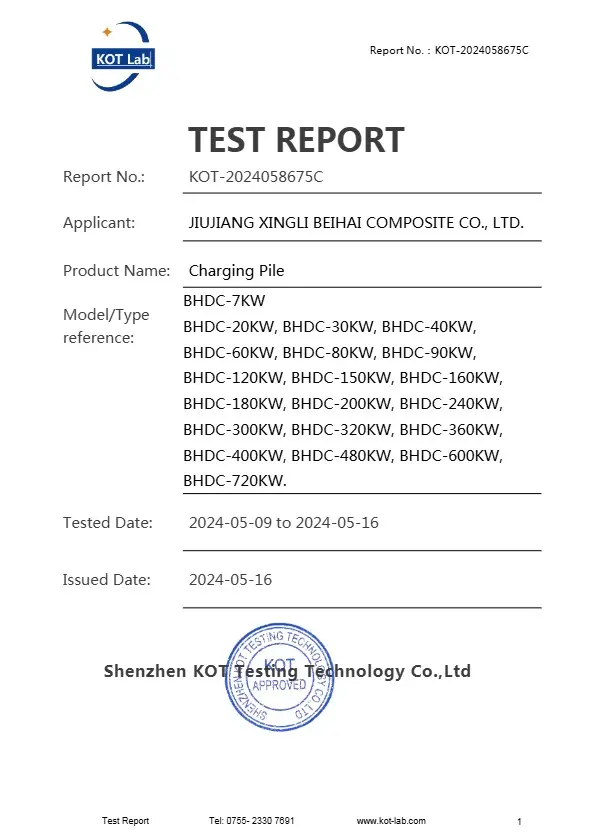
Direct technical advice and regulatory compliance answers for engineering procurement teams planning Hungarian energy installations.
Full selection of high-capacity DC charging hardware and specialty cells designed for heavy commercial use.