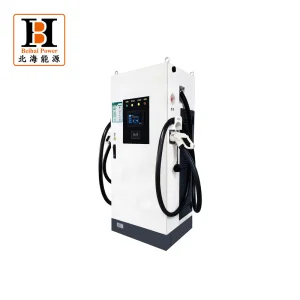
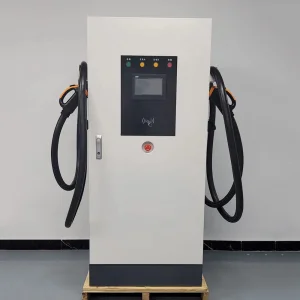
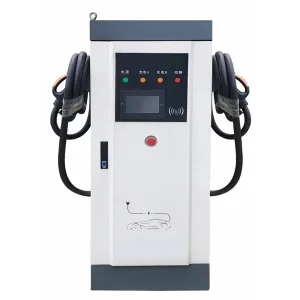
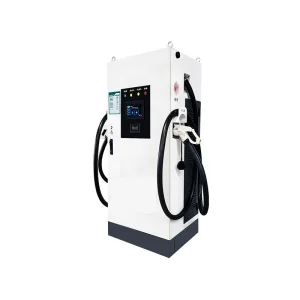
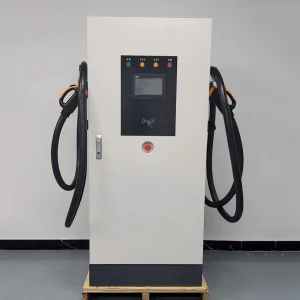
Product Description
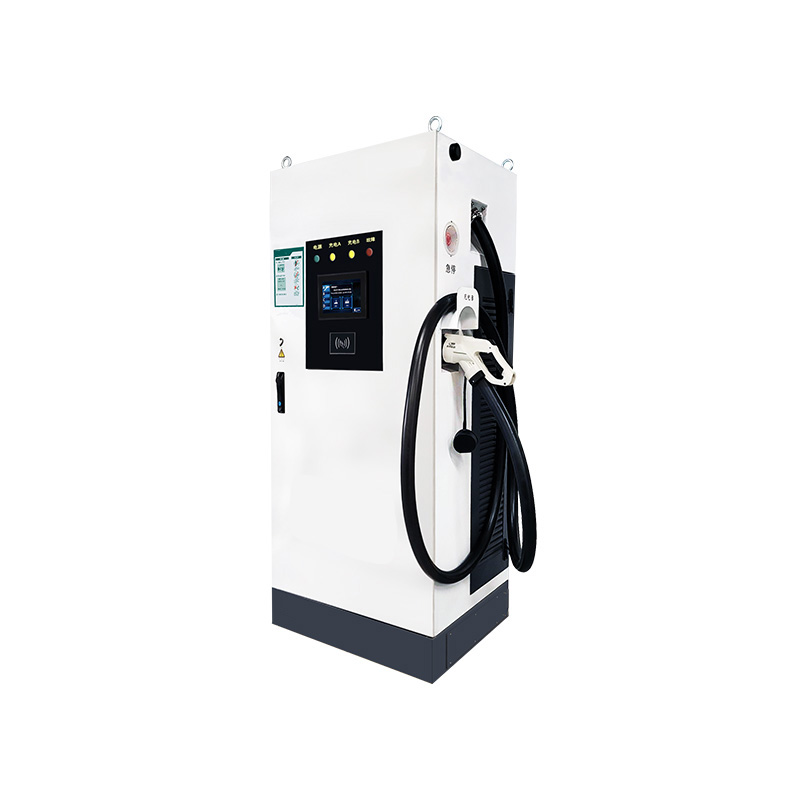
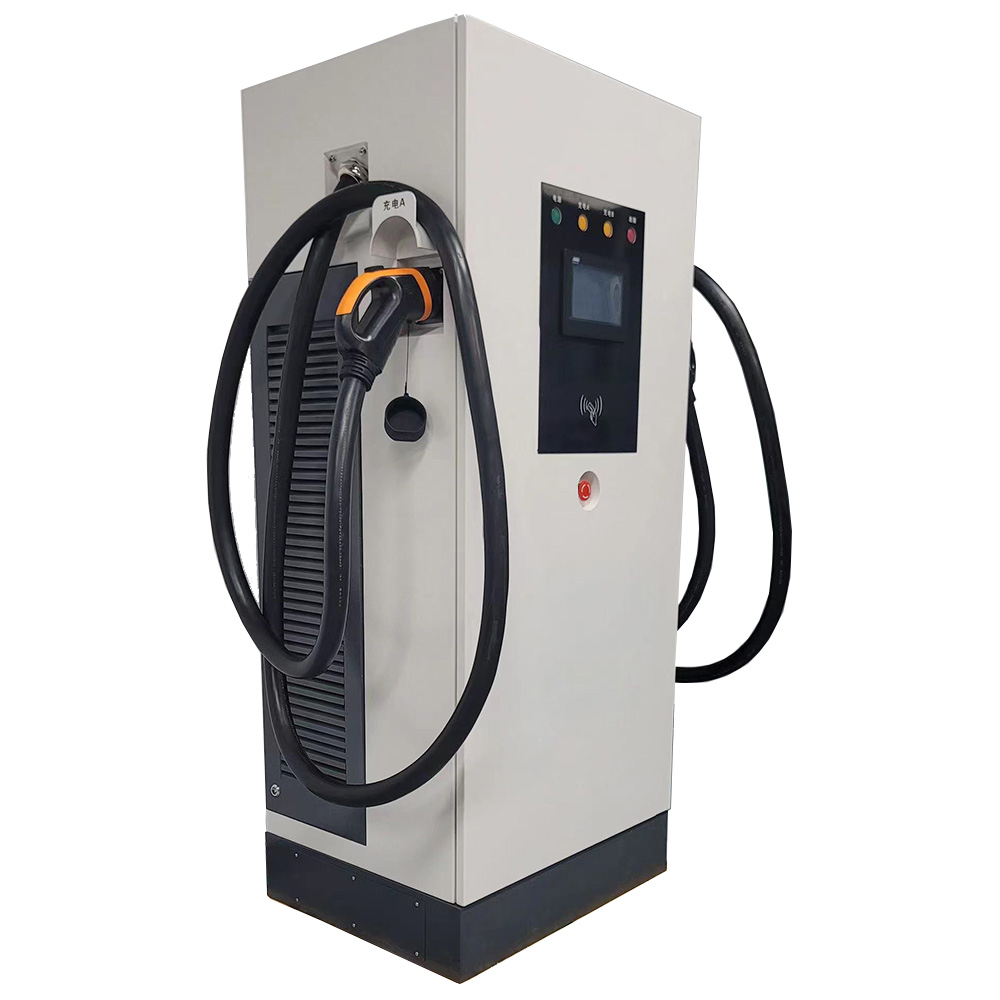
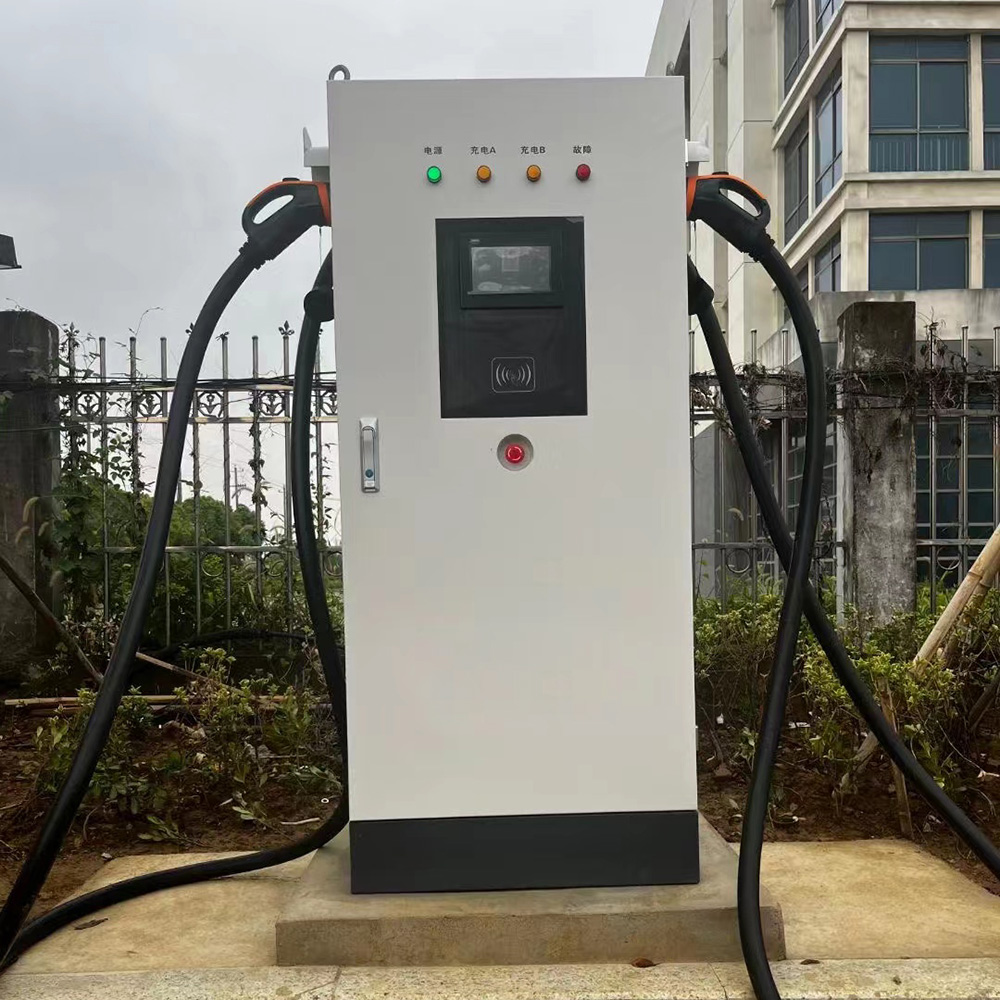
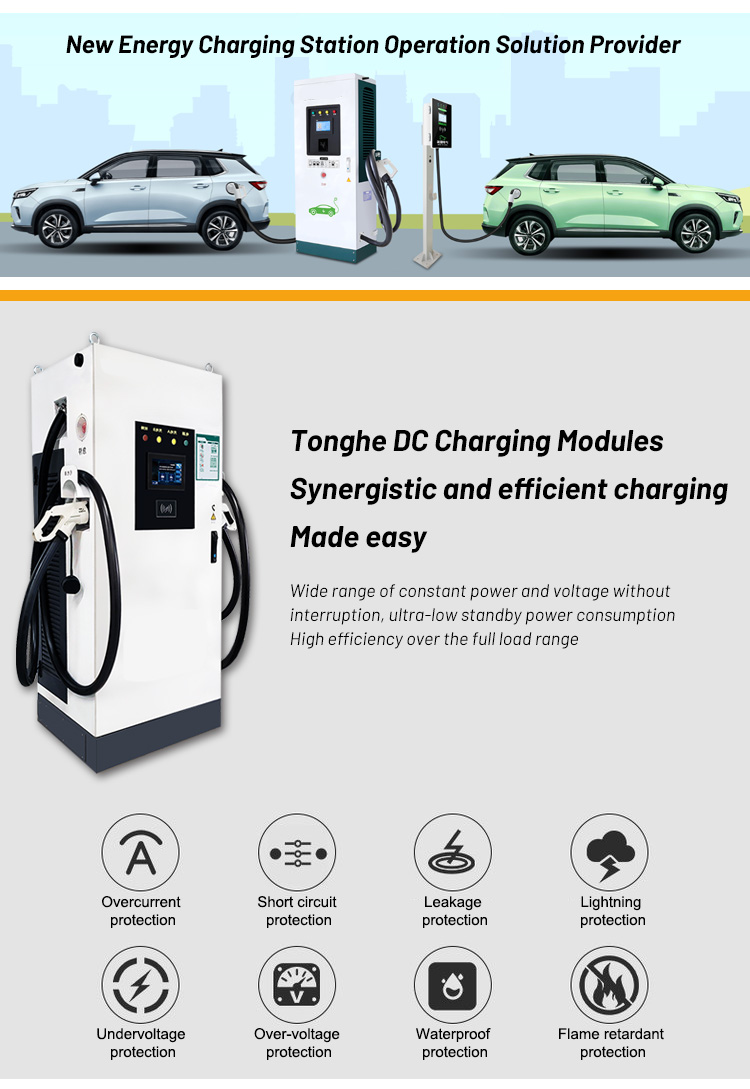
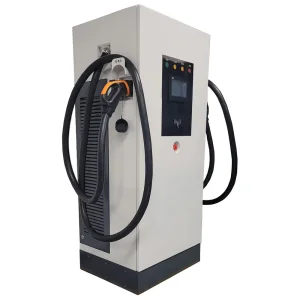
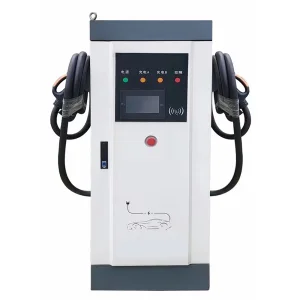
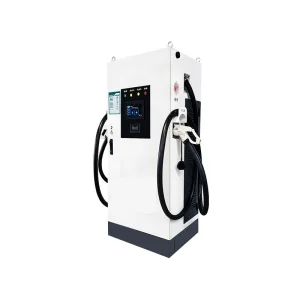
DC charging pile is a kind of charging equipment specially designed to provide DC power supply for electric vehicles. DC charging pile can convert AC power into DC power and directly charge the power battery of electric vehicles, which has higher charging power and larger voltage and current adjustment range, so it can realise rapid charging and provide electric vehicles with fast replenishment of electric power. In the process of charging, the DC charging pile can utilise the electric energy more efficiently and reduce the energy loss, making it applicable to various models and brands of electric vehicles with wider compatibility.
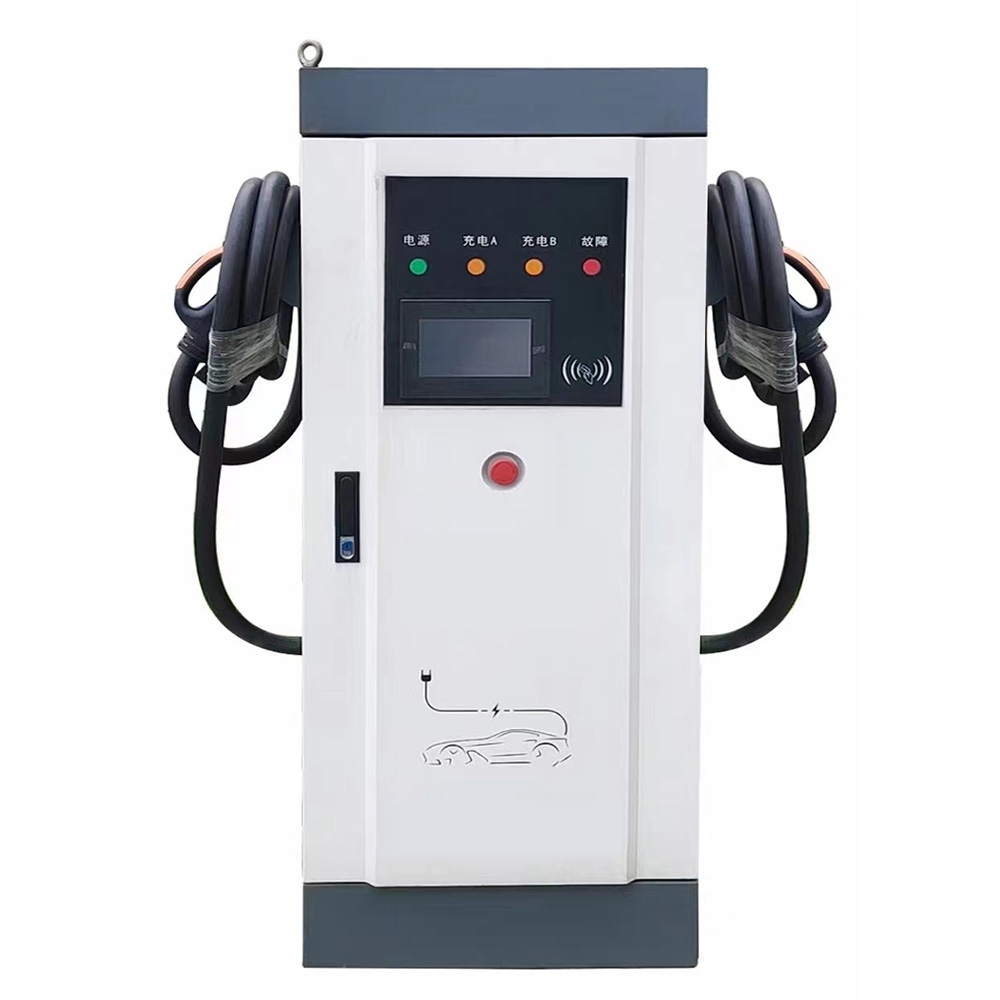
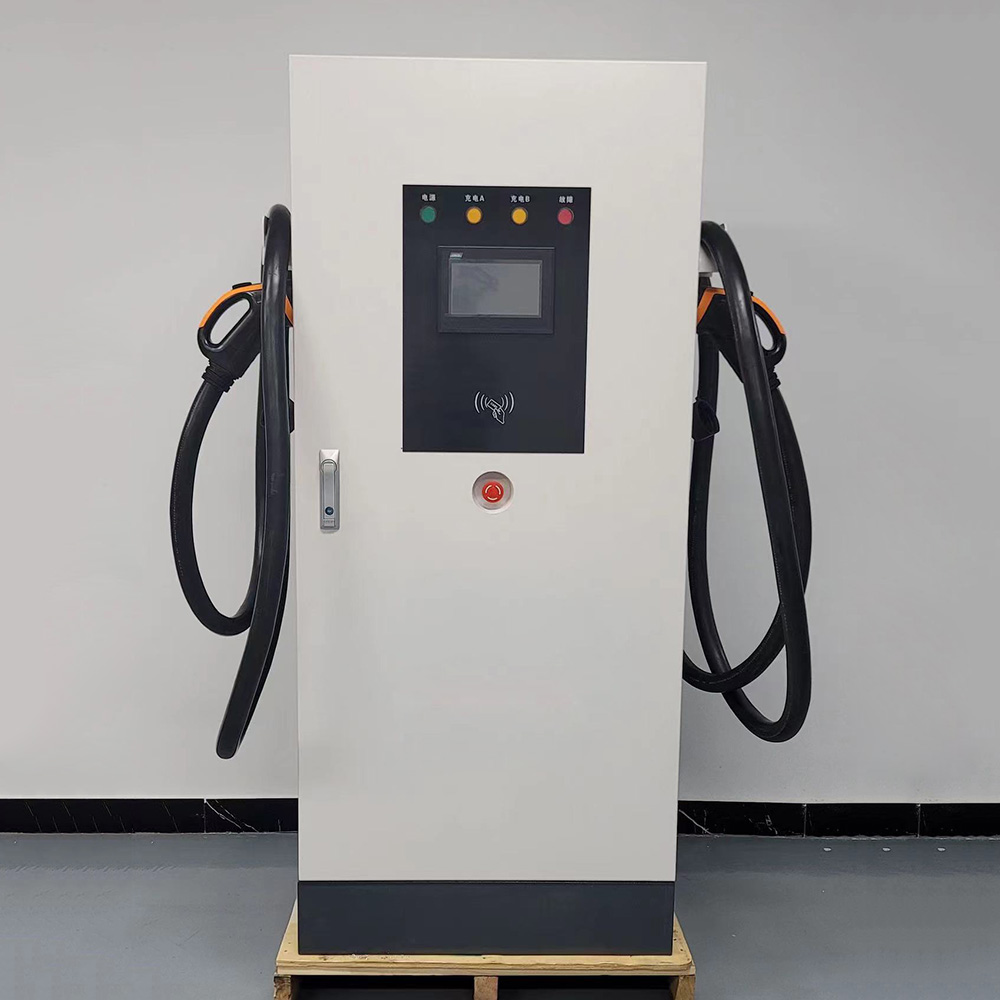
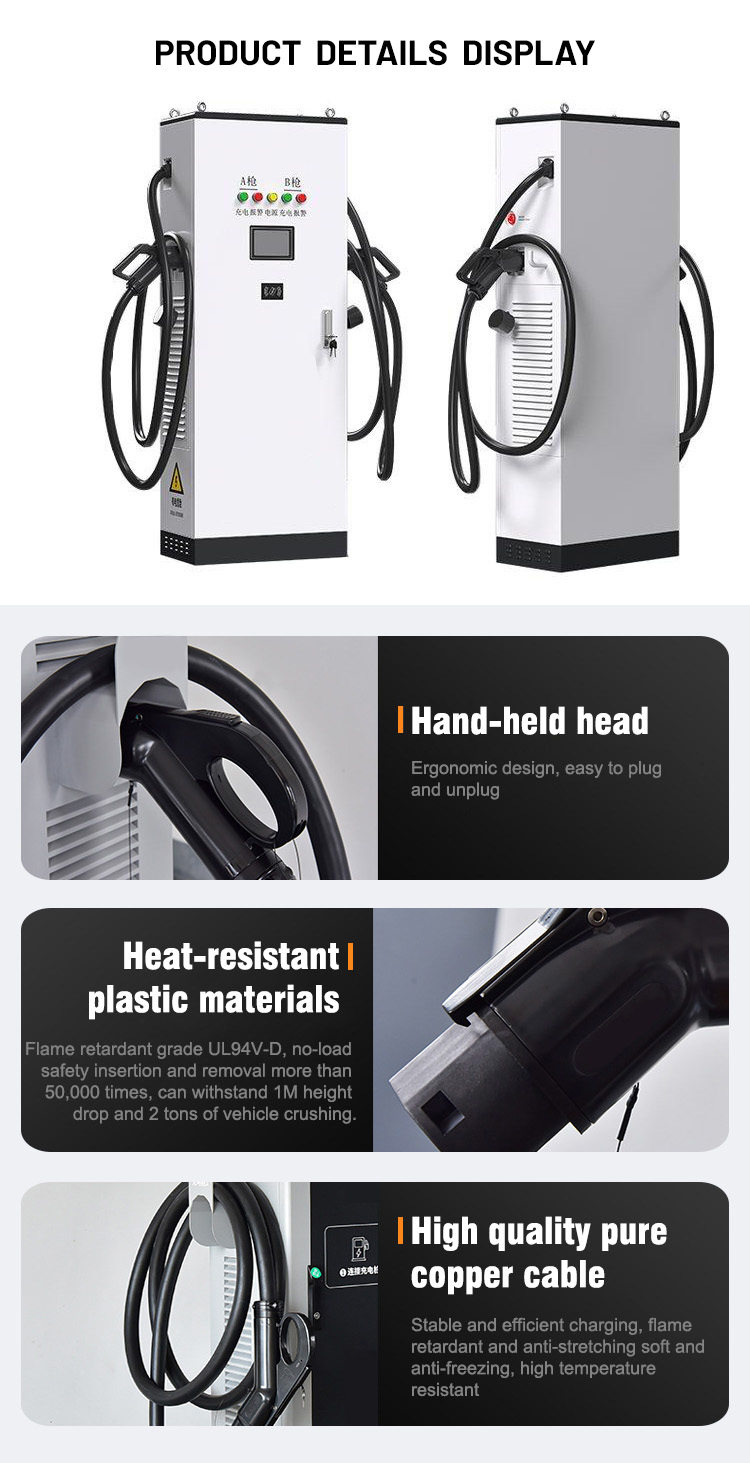
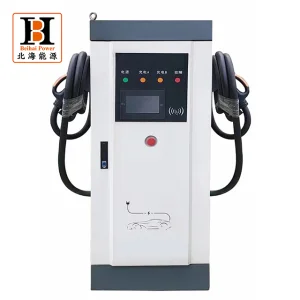
DC charging piles can be classified in different dimensions, such as power size, number of charging guns, structural form, and installation method. More mainstream classifications include integrated or split DC charging piles, single or double gun configurations, and floor-standing or wall-mounted installation methods.
In summary, DC charging pile plays an important role in the field of electric vehicle charging with its efficient, fast and safe charging capability. With the continuous development of the electric vehicle industry, its application prospects will be even broader.
Product Parameters
| DC Charger Specification |
| Equipment Models |
BHDC-240KW |
BHDC-480KW-2 |
BHDC-720KW-2 |
| Technical Parameters |
| AC Input |
Voltage range (V) |
380±15% |
| Frequency range (Hz) |
45~66 |
| Input power factor |
≥0.99 |
| Fluoro wave (THDI) |
≤5% |
| DC Output |
Workpiece ratio |
≥96% |
| Output Voltage Range (V) |
200~750 |
| Output power (KW) |
240KW |
480KW |
720KW |
| Maximum Output Current (A) |
480A |
480A*2 |
720A |
| Charging interface |
1 |
2 |
2 |
| Charging gun length (m) |
5m |
| Equipment Other Information |
| Machine display |
7 inch color touch screen |
| Communication |
Ethernet (Standard Communication Protocol) |
| Size(W*D*H)mm |
700*565*1630 |
990*750*1800 |
- |
| Installation method |
Floor type |
Product Feature
AC Input
Input AC power from the grid into a transformer, adjusting voltage to suit the internal circuitry.
DC Output
AC power is rectified and converted to DC by charging modules, which can be connected in parallel for high power.
Control Unit
Responsible for switching, output voltage, and current control to ensure safety and efficiency.
Metering Unit
Records power consumption for billing and energy management.
Charging Interface
Standard-compliant interface ensuring compatibility and safe DC power delivery.
HMI
Includes a user-friendly touch screen and display for operation.
Applications
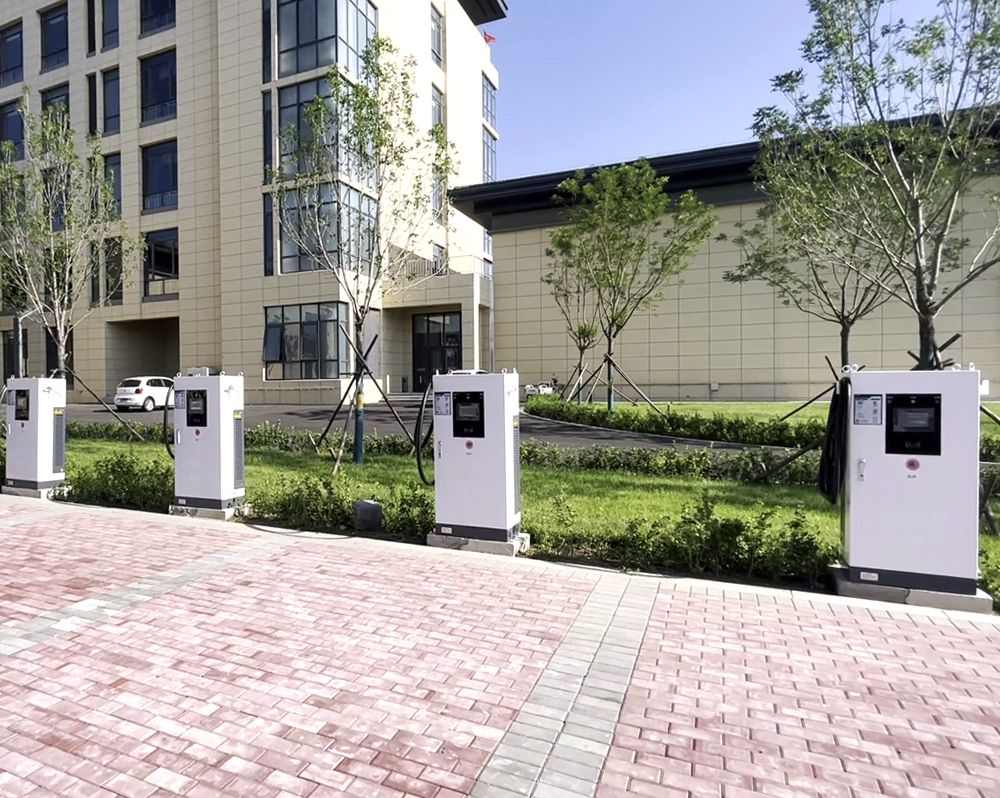
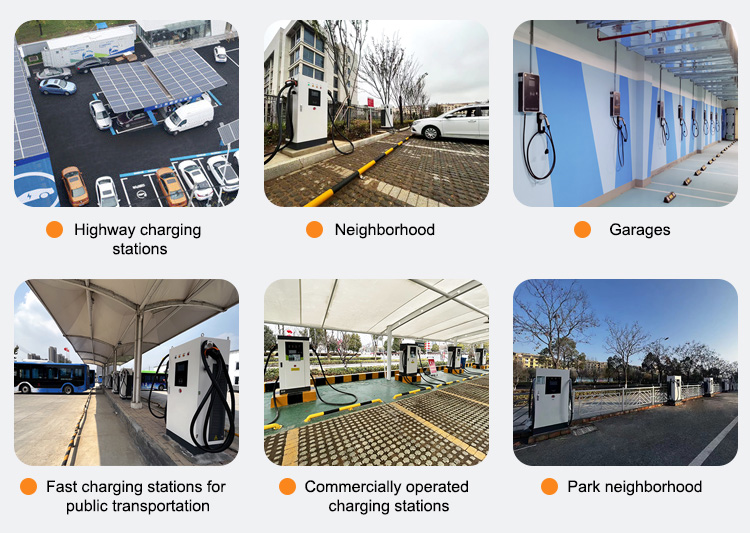
DC charging piles are widely used in public charging stations, highway service areas, commercial centers, and other locations, providing fast charging services for electric vehicles.
Public Transport: Vital for city buses, taxis, and operating vehicles.
Commercial Areas: Shopping malls, supermarkets, hotels, and industrial parks.
Residential Areas: Meeting the growing demand as EVs enter households.
Highway Services: Essential for long-distance EV travelers at service areas and petrol stations.
Frequently Asked Questions
What is a DC charging pile?
A DC charging pile is equipment that converts AC grid power into DC power to charge electric vehicle batteries directly, allowing for much faster charging speeds than standard AC chargers.
What is the difference between single and double gun chargers?
A single gun charger can charge one vehicle at a time, while a double gun charger can charge two vehicles simultaneously, often intelligently distributing power between the two.
Are these chargers compatible with all EV brands?
Yes, our DC charging piles use standard-compliant interfaces and protocols, ensuring high compatibility with most modern electric vehicle brands and models.
Can DC chargers be installed outdoors?
Yes, these chargers are designed for various environments and are typically installed in public parking lots, highway service areas, and commercial zones with robust protection.
What are the main advantages of DC charging?
The primary advantages are high charging power, rapid energy replenishment, higher efficiency, and broad voltage adjustment ranges compared to AC charging.