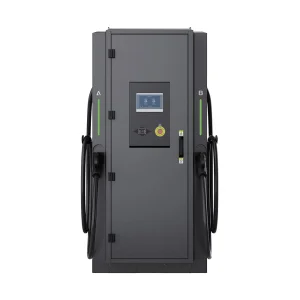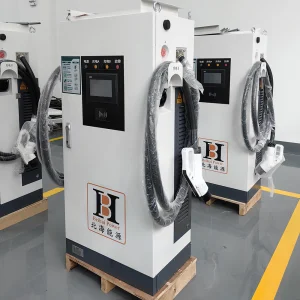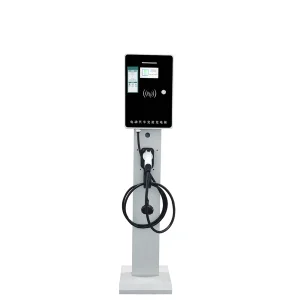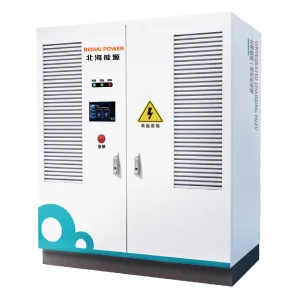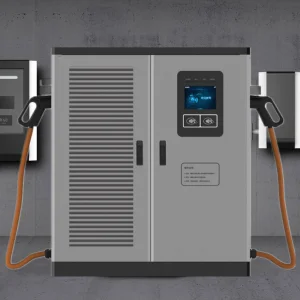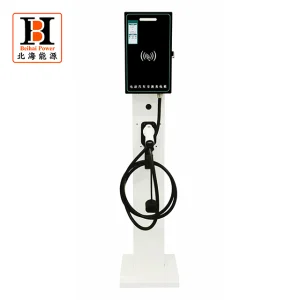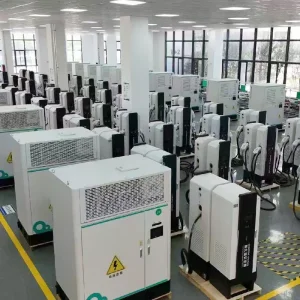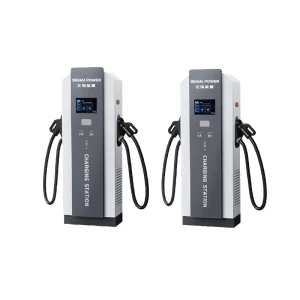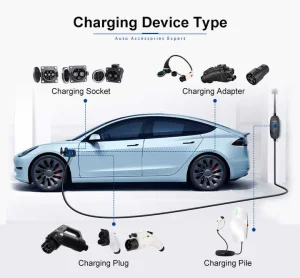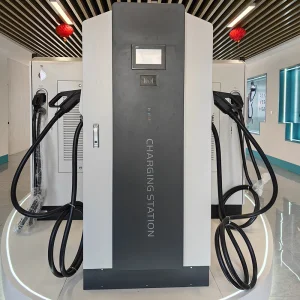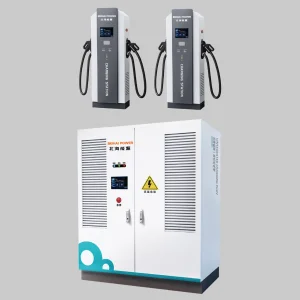
In the rapidly evolving landscape of Electric Vehicle Supply Equipment (EVSE), understanding the classification of charging piles is paramount for grid operators, commercial fleet managers, and urban planners. As a leading China manufacturer, Beihai Power categorizes these systems through multiple dimensions: power output, current type, application environment, and intelligent integration levels.
From residential 7kW AC wallboxes to ultra-fast 480kW DC terminals. The classification dictates the "dwell time" – essential for retail vs. highway transit logic.
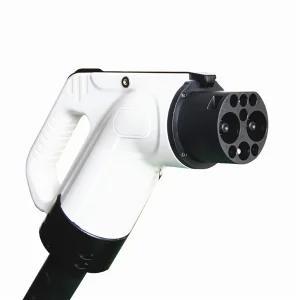
Supporting the global trinity: CCS (Type 1/2) for Europe/Americas, GB/T for the massive Chinese market, and CHAdeMO compatibility.
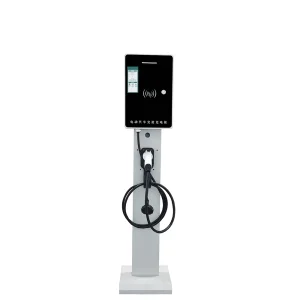
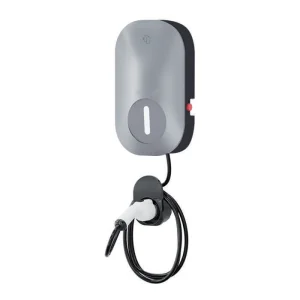
IP54 to IP65 rated outdoor floor-mounted piles for public plazas vs. compact, sleek wall-mounted units for private smart homes.
The global EV charging station market is projected to reach over $120 billion by 2030. China currently stands as the world's largest producer and consumer of charging infrastructure, leveraging a mature supply chain that includes power module fabrication, sheet metal assembly, and AI-driven load management software.
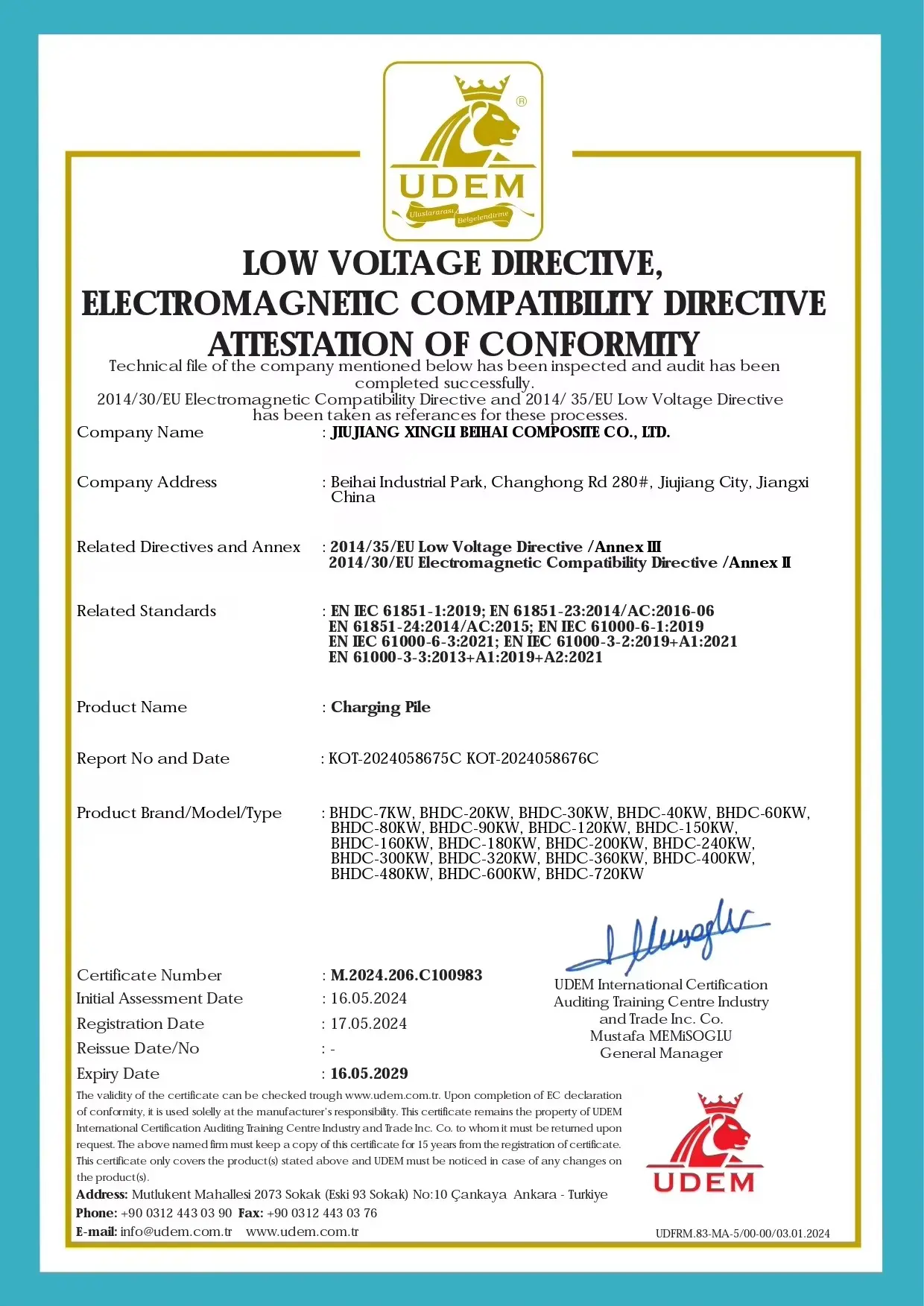
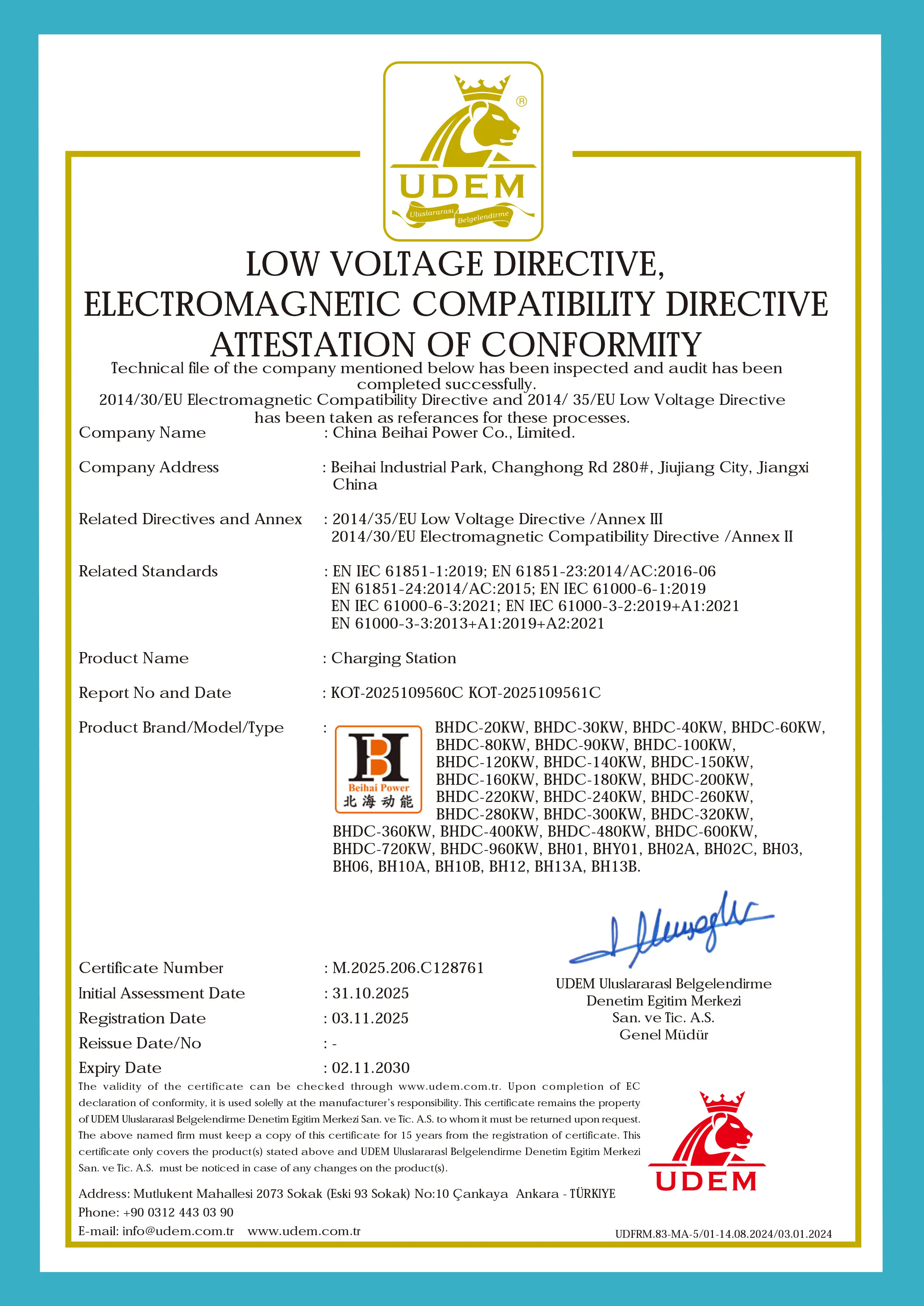
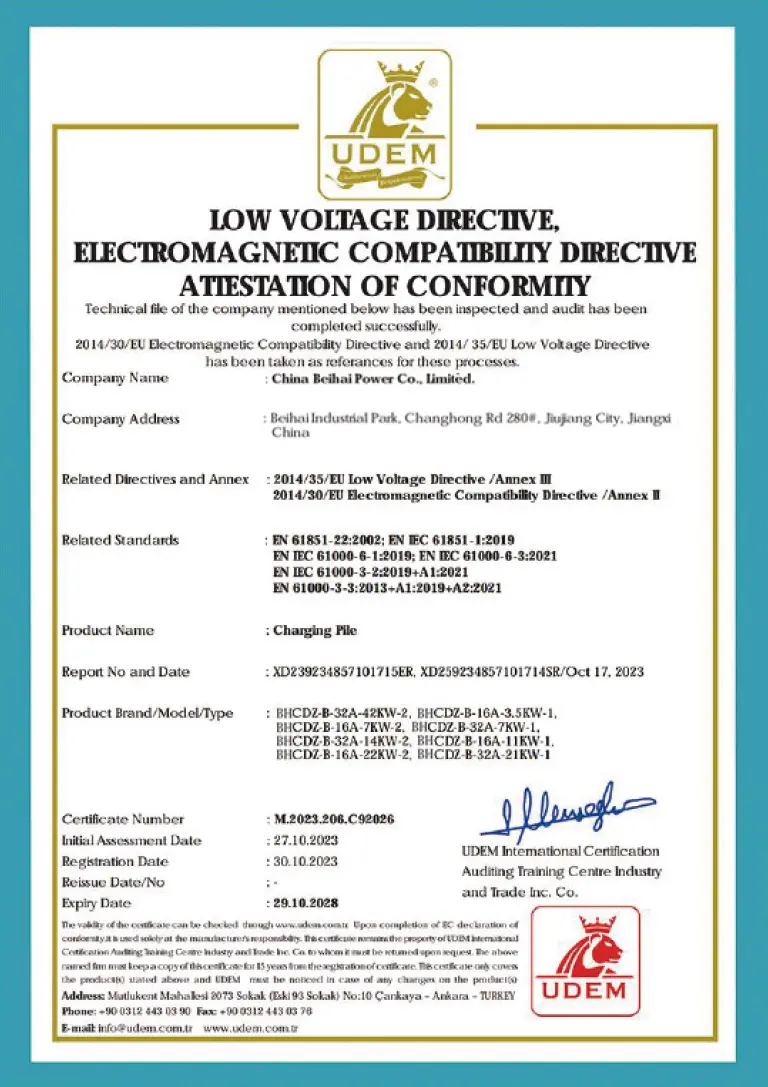
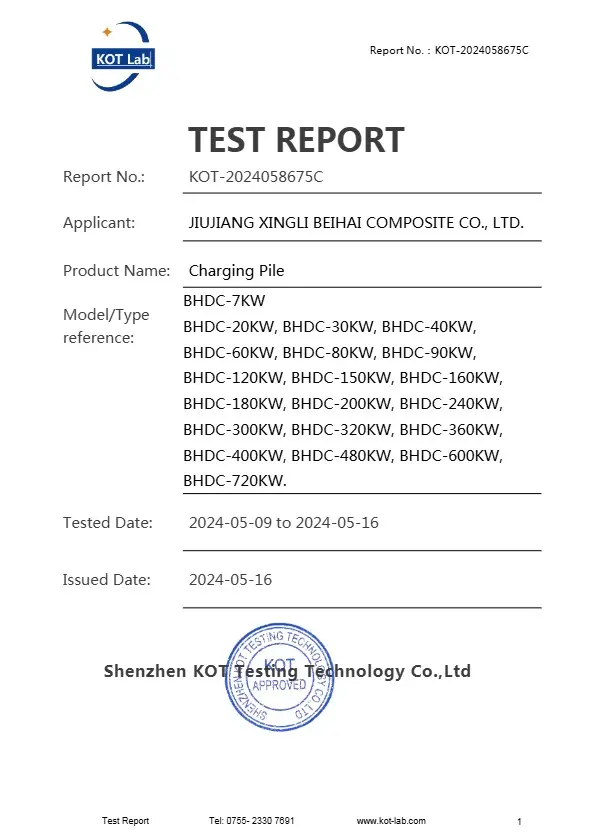
In Europe and North America, the focus is shifting toward High-Power Charging (HPC) and National Electric Vehicle Infrastructure (NEVI) compliance. Our factory in China bridges this gap by providing high-specification hardware that meets CE, UL, and TUV standards, ensuring seamless integration into western grids.

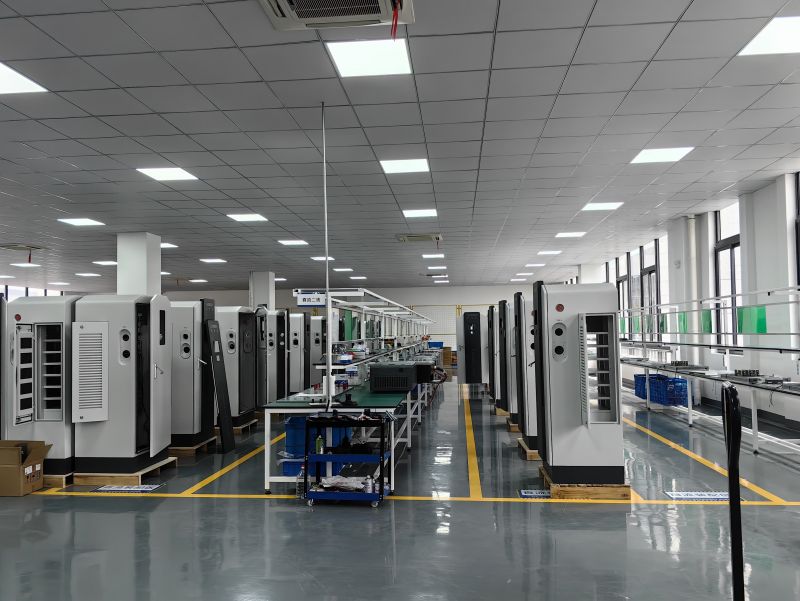
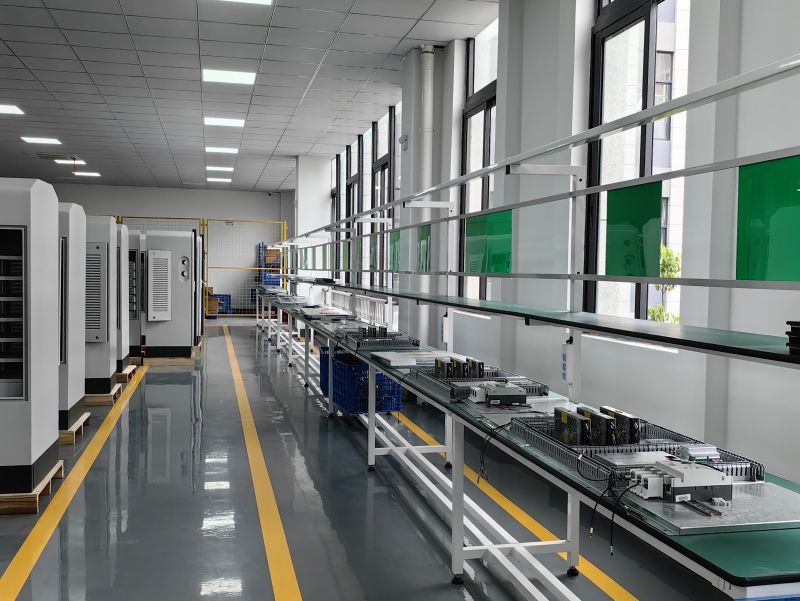
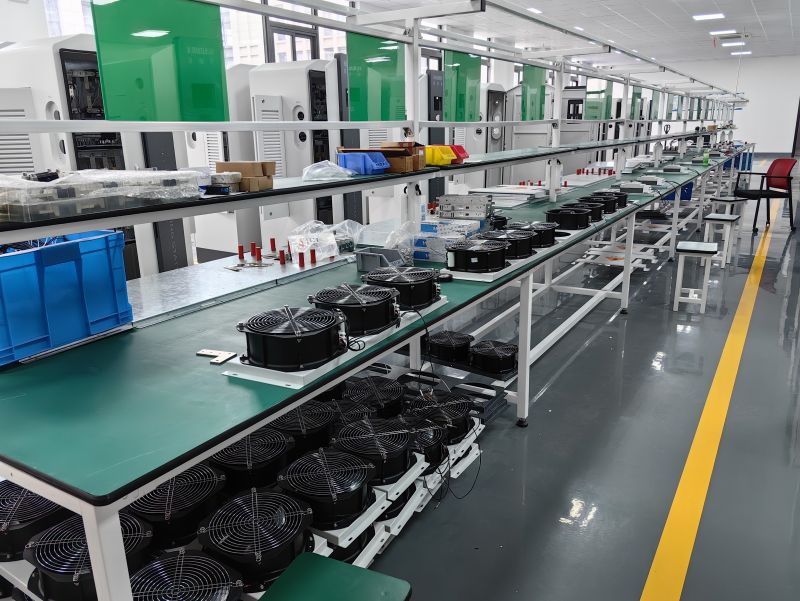
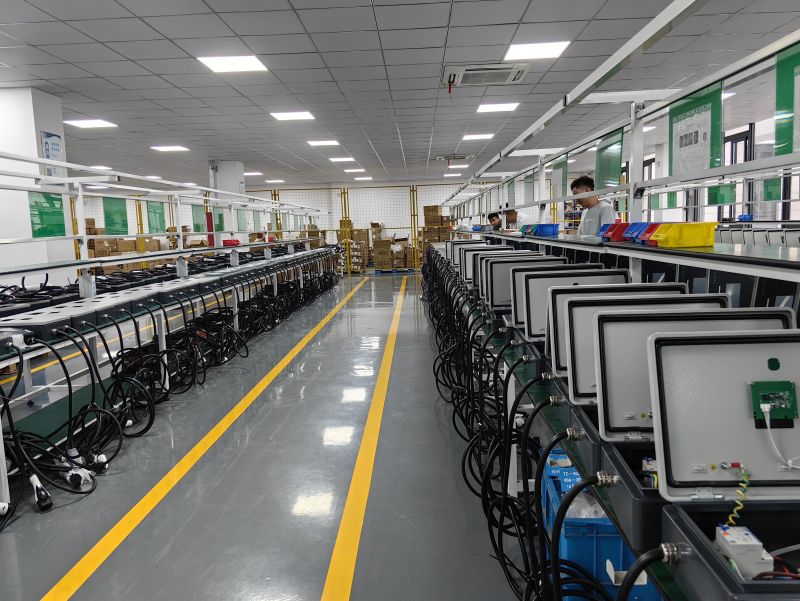
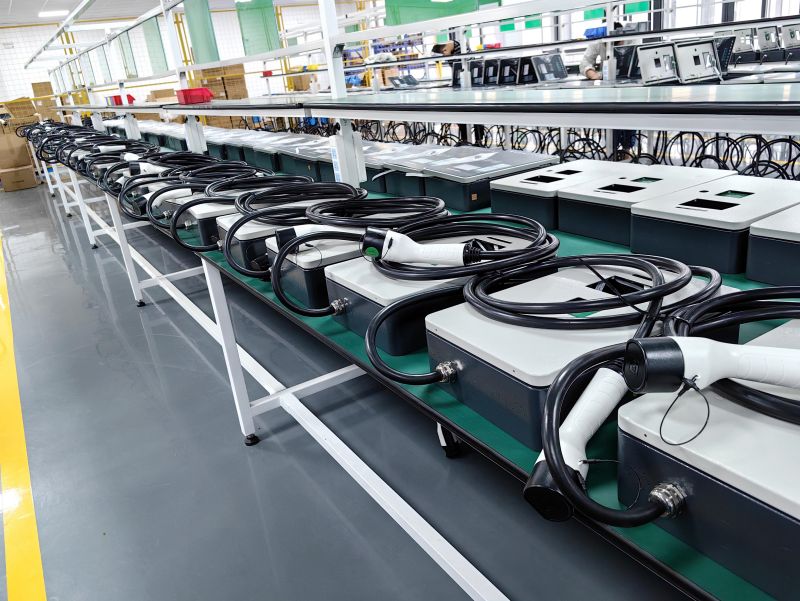
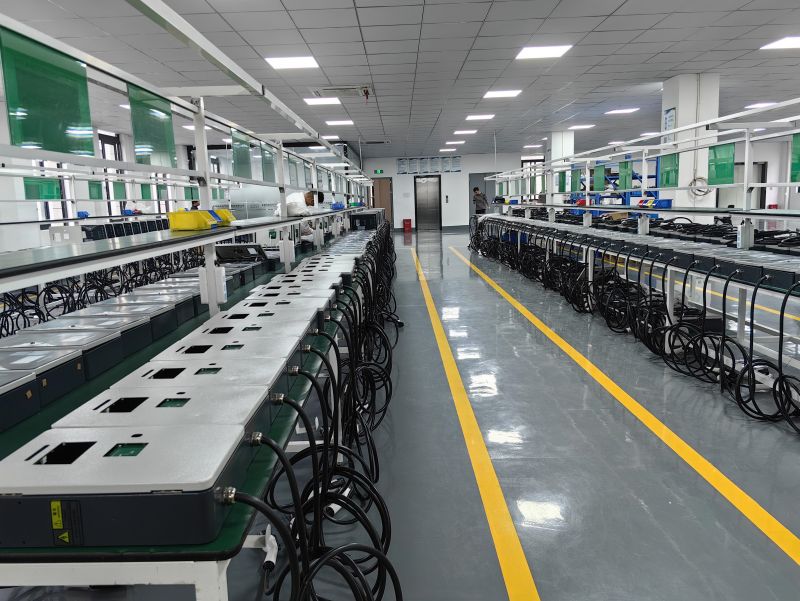
Beihai Power (China Beihai Power Co., Ltd.) is a specialized manufacturer dedicated to the innovation of DC fast-charging technology and smart AC charging technology. We bridge the gap between complex energy requirements and reliable infrastructure delivery for governments and commercial clients across Central Asia, Southeast Asia, the Middle East, Europe, Africa, South America, and North America.
Our core mission is to solve the critical challenges of charging speed, system reliability, and grid integration. By focusing on the performance of our integrated charging modules, we provide high-efficiency power solutions that ensure faster, safer, and more stable energy transfer for large-scale vehicle infrastructure projects.
To handle 480kW+ outputs without cable overheating, liquid-cooled terminals are becoming the industry standard for truck and bus depots.
The transition from charging piles to "Energy Nodes." Our future roadmap includes bi-directional charging to stabilize local grids during peak hours.
Smart algorithms to distribute power across 100+ units in a parking structure, preventing transformer overloads while maximizing speed.
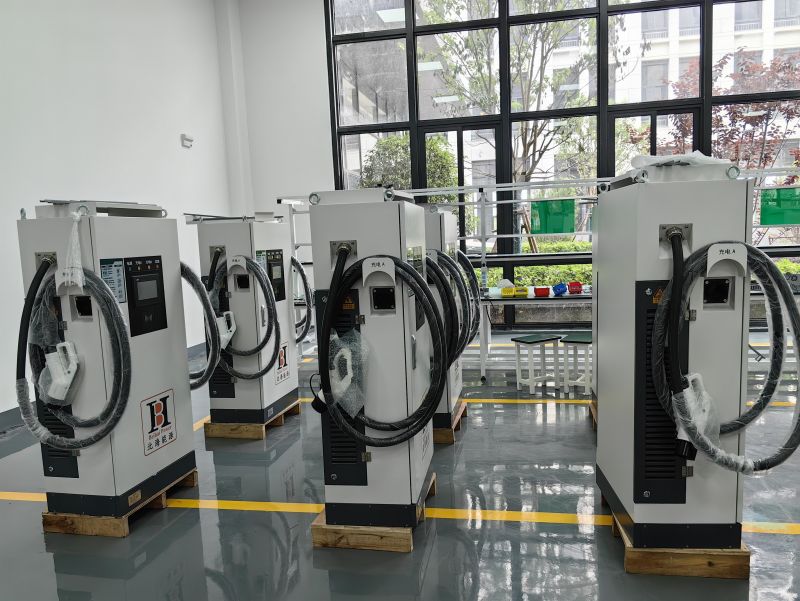
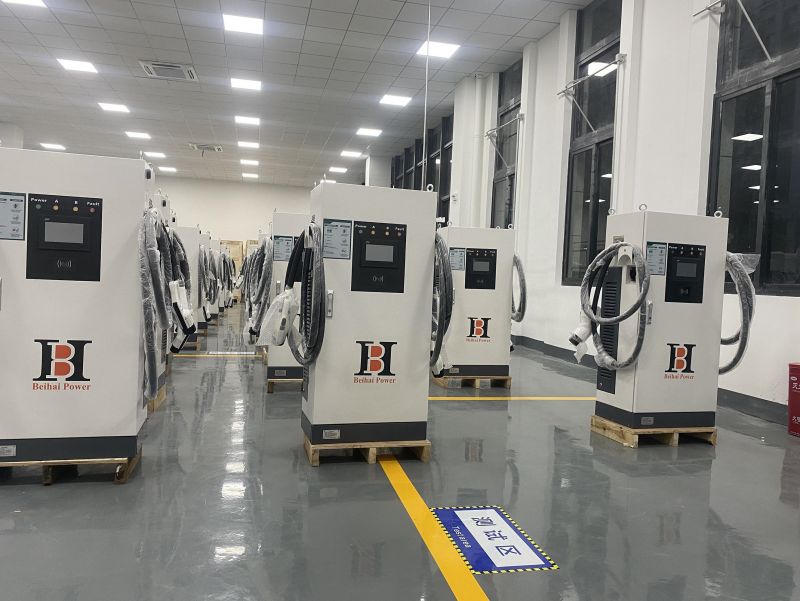
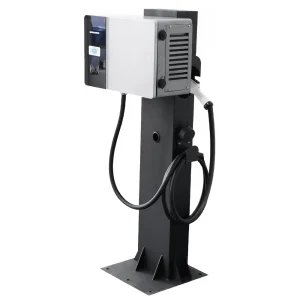
Modular DC piles with dual-gun functionality for 24/7 high-throughput locations. Integrated with payment POS and advertising screens.
Tailored 120KW-240KW solutions for electric heavy-duty trucks and delivery vans, ensuring "charge-while-load" efficiency.
Our unique 150kW Mobile DC Solution integrated into commercial vans for roadside assistance in markets like the USA and Colombia.

What is the main difference between AC and DC charging piles?
AC piles (Slow) use the vehicle's onboard charger to convert electricity, while DC piles (Fast) convert power within the station itself, allowing for much higher speeds directly to the battery.
How long does a 240kW DC station take to charge a standard EV?
Typically, it can charge an EV from 20% to 80% in approximately 15-20 minutes, depending on the vehicle’s maximum charging rate and battery capacity.
Are your charging piles compatible with Tesla?
Yes, through our support of CCS2 and GB/T standards, or via specific NACS adapters, our stations can serve Tesla vehicles globally.
Can I customize the branding and software (OCPP)?
Absolutely. We provide full OEM/ODM services, including customized enclosure branding and integration with your preferred OCPP 1.6J or 2.0.1 management platform.