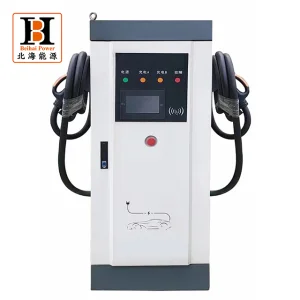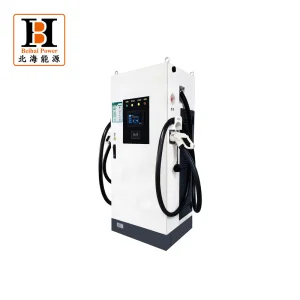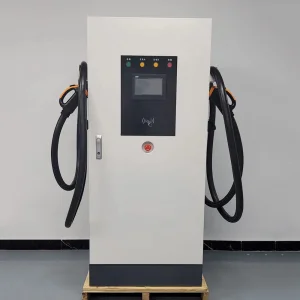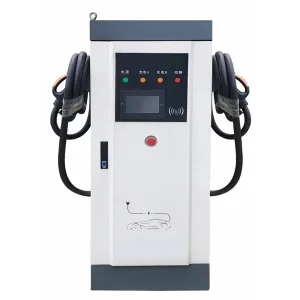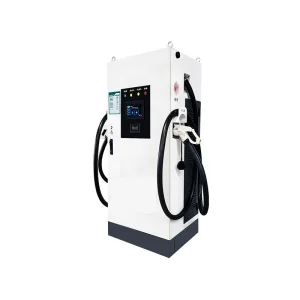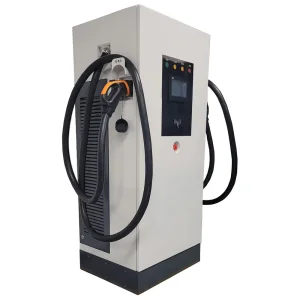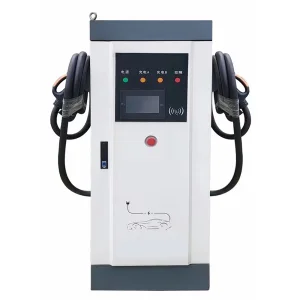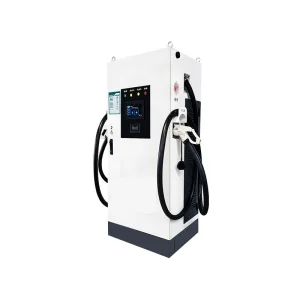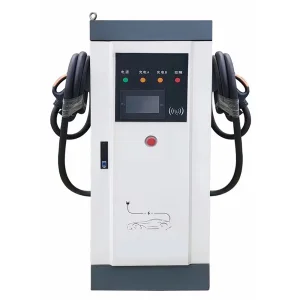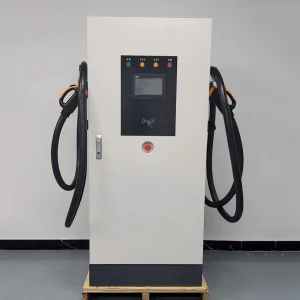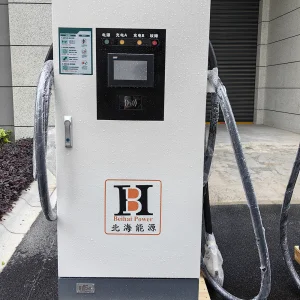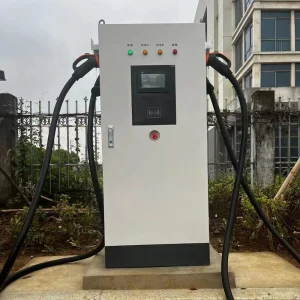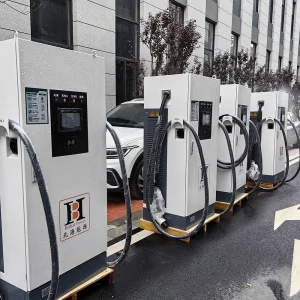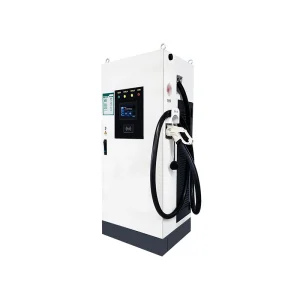
As the heart of Japan’s automotive industry and the capital of Aichi Prefecture, Nagoya stands at a critical crossroads. With the global shift toward decarbonization, Nagoya's industrial landscape—ranging from the Port of Nagoya’s logistics hubs to the manufacturing belts of Toyota City—requires a robust, high-capacity DC Fast Charging infrastructure.
Nagoya accounts for a significant portion of Japan's industrial output. We provide specialized DC charging solutions for factory fleets and employee commuting hubs tailored for Chukyo's unique grid requirements.
The Port of Nagoya, Japan's busiest, is transitioning to electric heavy-duty transport. Our 240kW to 480kW ultra-fast chargers are designed for the high-duty cycles of port machinery and drayage trucks.
Aligning with local government mandates, our chargers integrate with Building Energy Management Systems (BEMS) to minimize peak-load impact on Nagoya’s metropolitan grid.
We are not just a manufacturer; we are an innovation partner. Our technical roadmap focuses on the "Three Pillars of Next-Gen Charging":
To combat heat during high-speed energy transfer, our upcoming Nagoya series will feature liquid-cooled cables, allowing for 400A+ continuous output, significantly reducing downtime for commercial transit.
Nagoya’s smart city initiatives require chargers that don't just take power but give it back. Our R&D into bidirectional charging supports grid stabilization and emergency power backup for industrial facilities.
Utilizing OCPP 2.0.1, our stations in Nagoya employ machine learning to predict component failure before it happens, ensuring 99.9% uptime for critical public infrastructure.
Standardized solutions often fail in specialized markets. For Nagoya-based enterprises, we offer:
Beihai Power (China Beihai Power Co., Ltd.) leverages the world’s most advanced EVSE supply chain to provide Nagoya clients with a 30% efficiency advantage over local competitors.
Our manufacturing facility integrates Sheet Metal Fabrication, Electrical Module Manufacturing, and Full Unit Functional Testing (FVT) under one roof. This vertical integration ensures that every module—from the power stack to the control board—is optimized for thermal performance and longevity.
High-precision CNC cutting ensures the IP54/IP55 rated cabinets are perfectly sealed against Nagoya’s coastal humidity.
Our proprietary power modules achieve 96% energy conversion efficiency, reducing operational costs for large-scale operators.
Before shipping to Japan, units undergo 48-hour burn-in tests and simulated grid-stress scenarios.

Beihai Power (China Beihai Power Co., Ltd.) is a specialized manufacturer dedicated to the innovation of DC fast-charging technology and smart AC charging technology. We bridge the gap between complex energy requirements and reliable infrastructure delivery for governments and commercial clients globally.
Our core mission is to solve the critical challenges of charging speed, system reliability, and grid integration. By focusing on the performance of our integrated charging modules, we provide high-efficiency power solutions that ensure faster, safer, and more stable energy transfer for large-scale vehicle infrastructure projects.
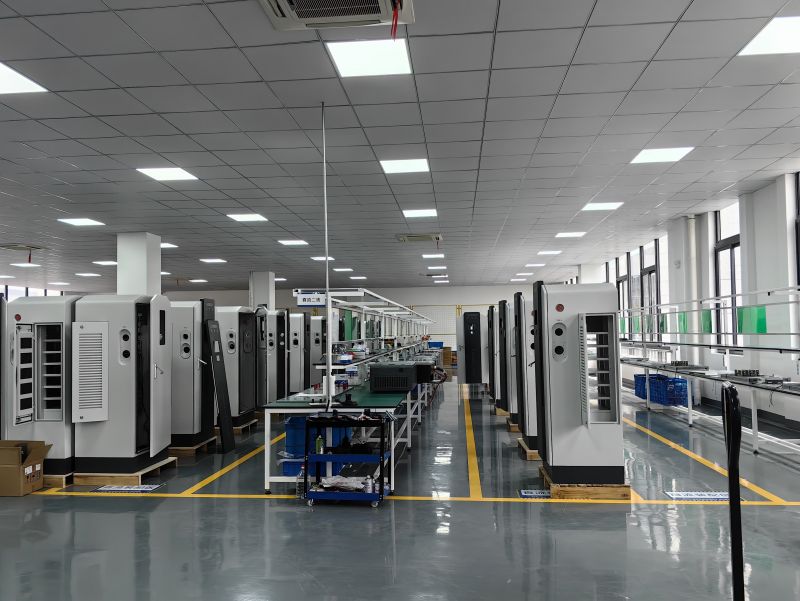
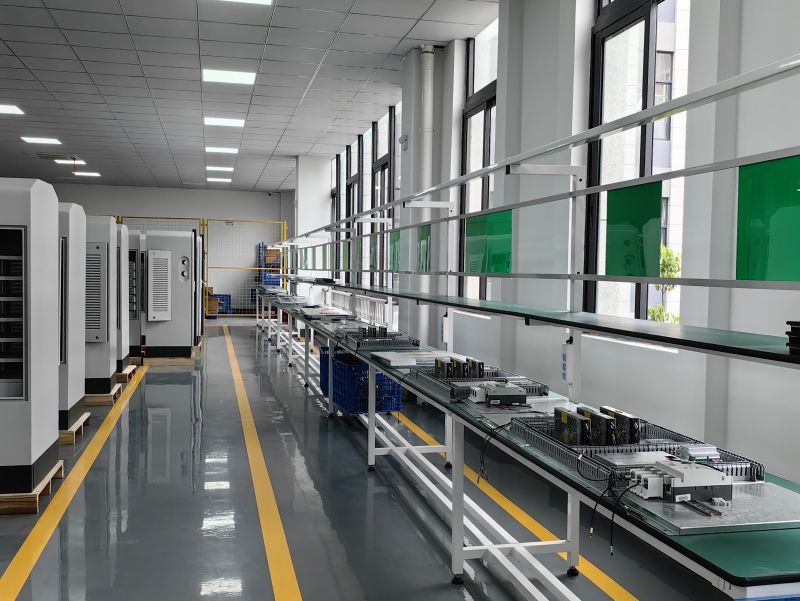
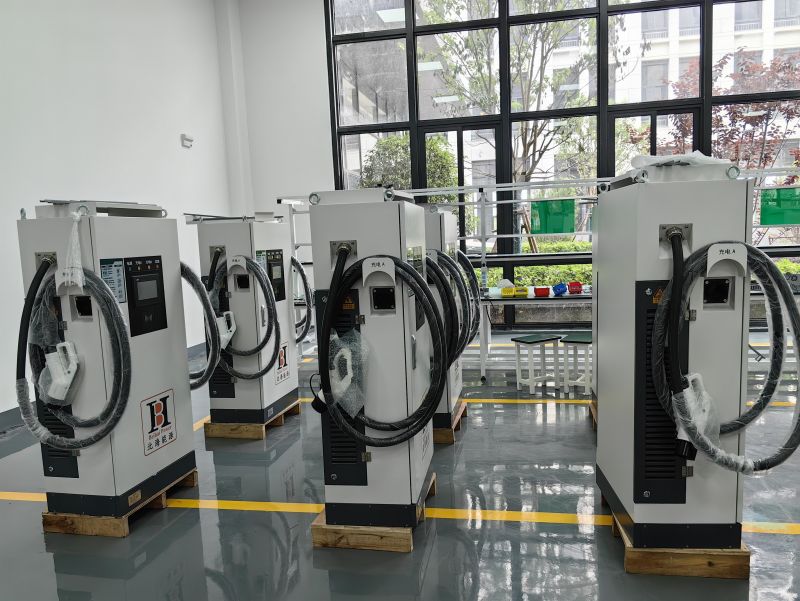
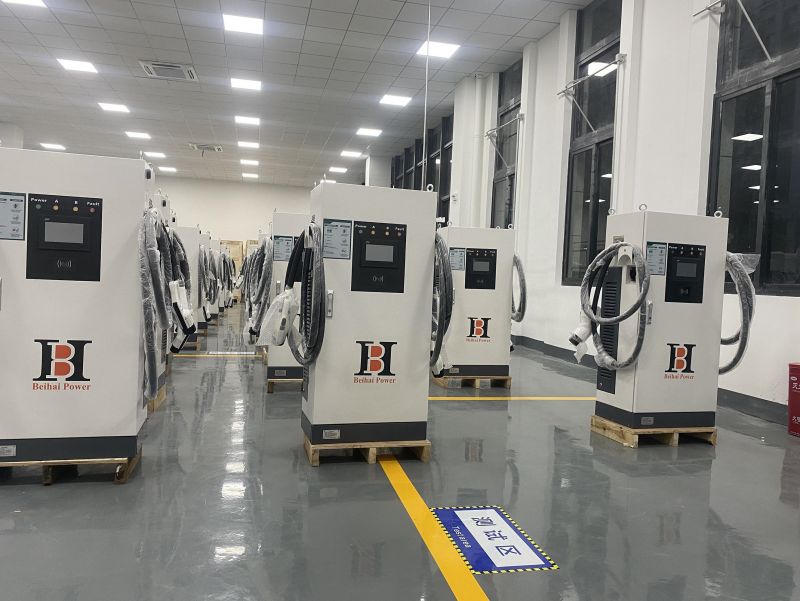
With the capacity to fulfill bulk orders—such as our recent export shipment of 24 custom-configured DC fast-charging piles to Uzbekistan—we combine industrial-scale manufacturing with stringent quality control. We have also developed specialized mobile charging solutions (150kW) for commercial vans in Colombia and the USA.
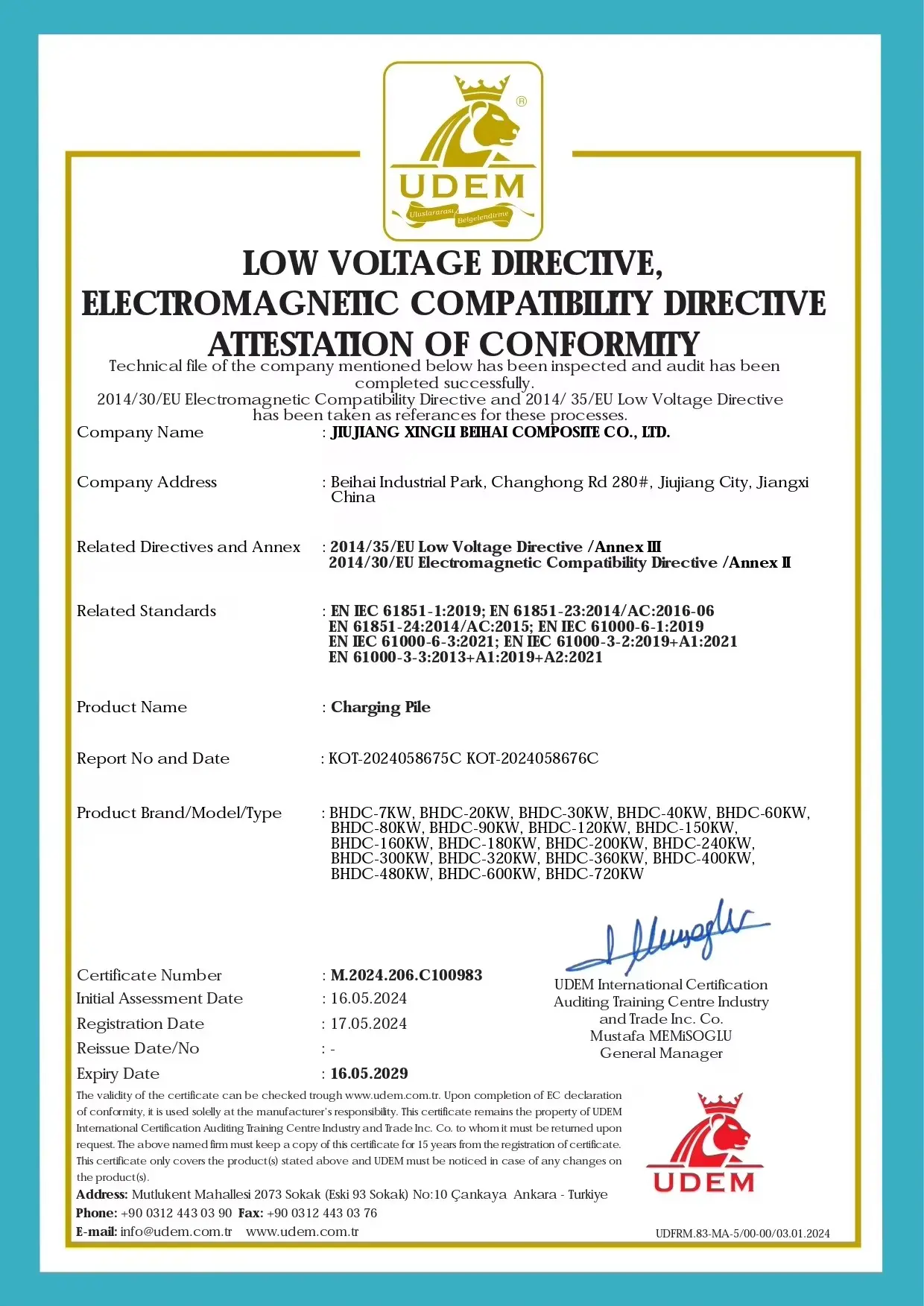
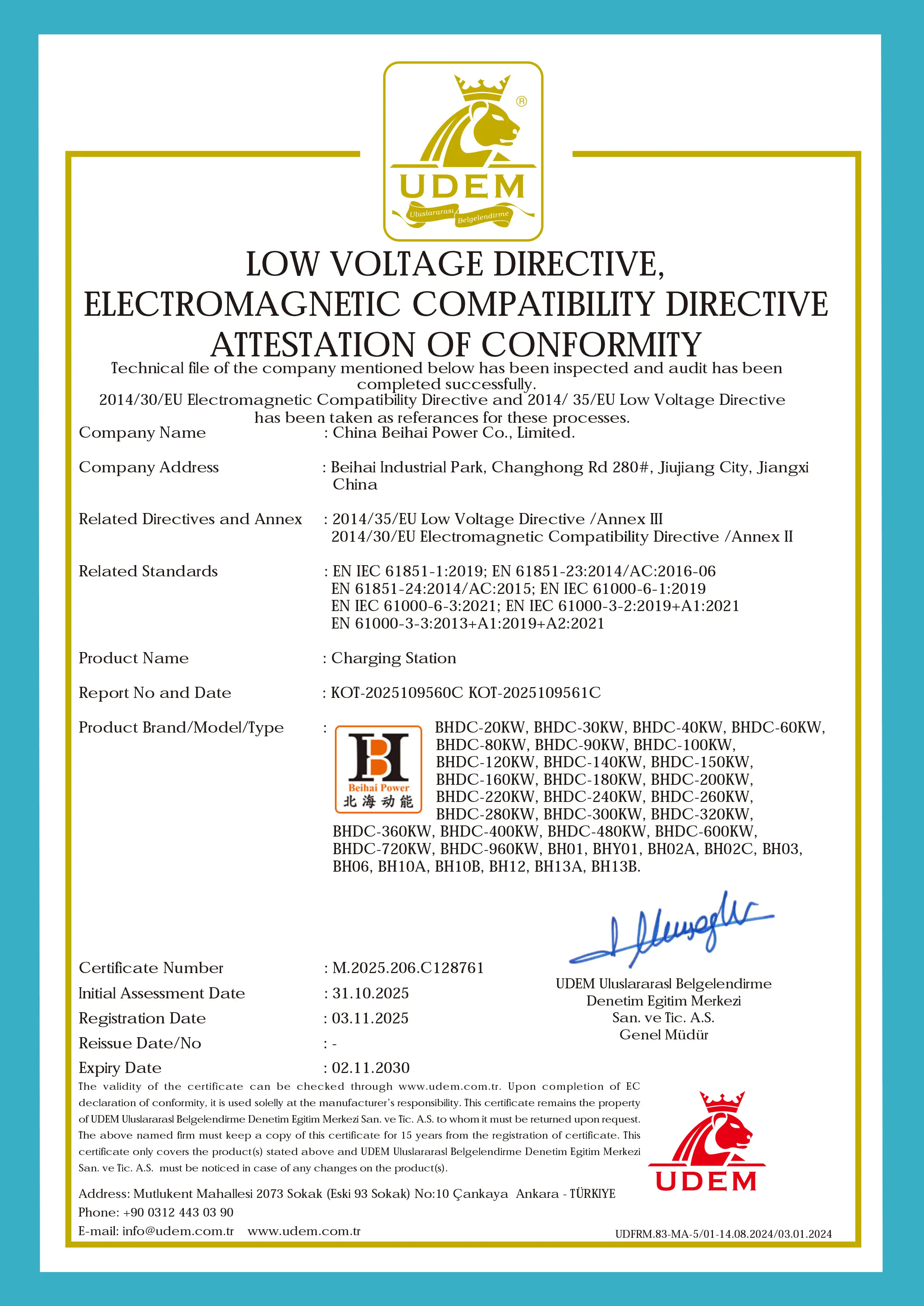
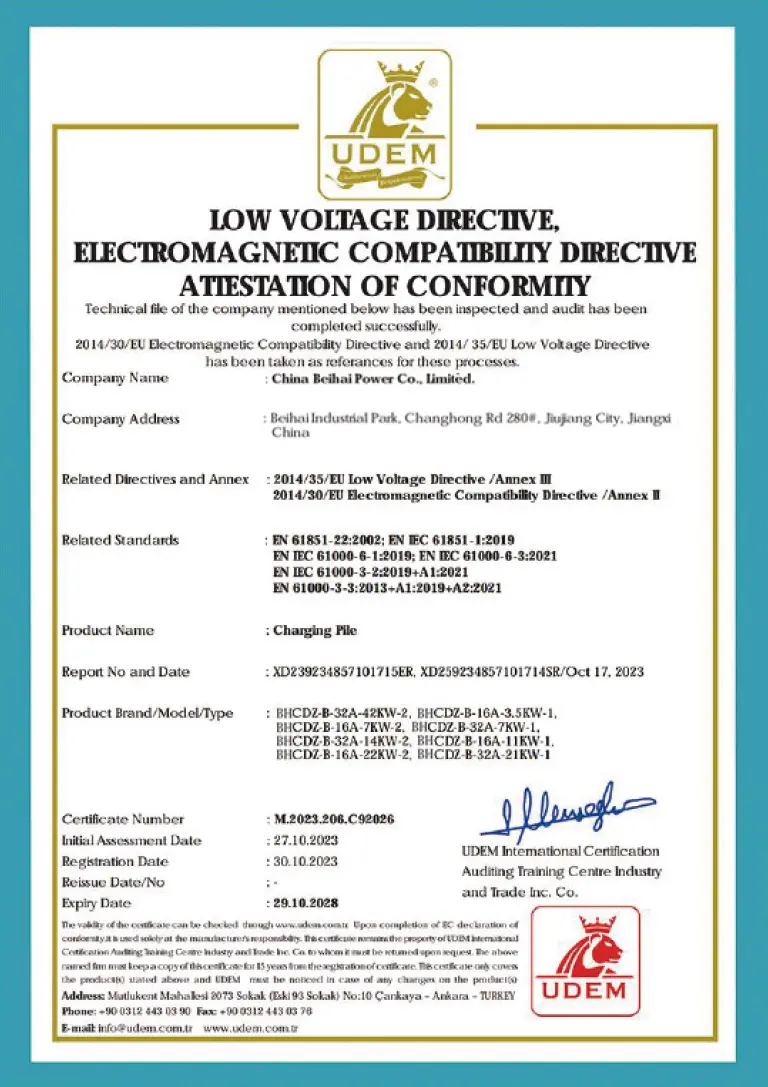

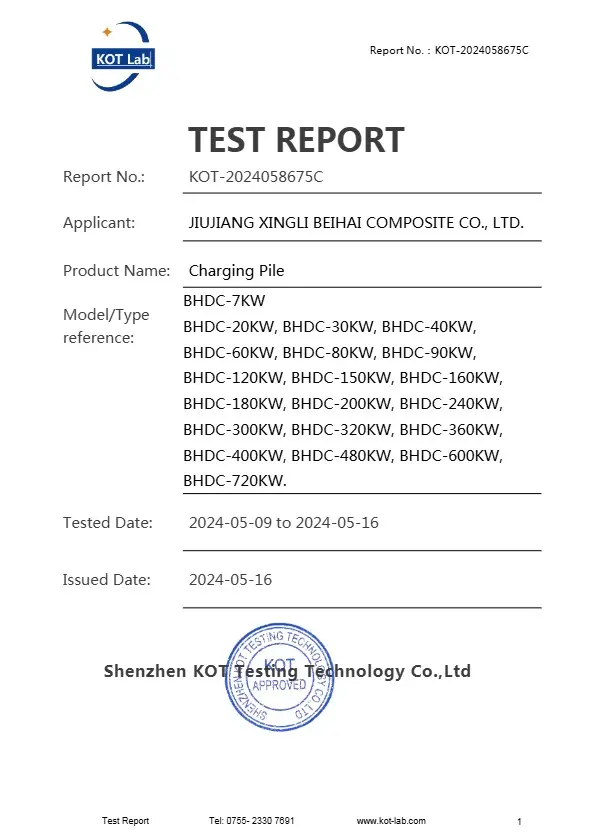
Yes. Our chargers support Modbus TCP and OCPP 1.6J/2.0.1, allowing seamless integration with local BEMS used in many Nagoya office buildings and factories to manage peak demand.
Standard lead time for Nagoya-compliant units is 4-6 weeks for manufacturing, with an additional 1-2 weeks for sea freight directly to the Port of Nagoya.
We provide comprehensive technical documentation, remote diagnostic support via our cloud platform, and partner with local Nagoya electrical contractors for physical on-site maintenance.
Absolutely. We offer customized configurations that include CHAdeMO, CCS2, or dual-protocol support to meet the specific needs of the Japanese market.